Corporate groups who book gorilla trekking Uganda as a team-building experience tend to arrive with conventional team-building expectations — outdoor challenge, shared adversity, bonding over a difficult physical experience. What they typically find is something more fundamental: a perspective shift that operates at a deeper level than any leadership workshop or challenge course can reach. Here is the story of one corporate group whose Uganda trip produced results their HR team had not anticipated.
The Group
The group was a senior leadership team from a mid-sized European technology company — 12 people including the CEO, four department heads, and the senior management layer below them. They had done multiple team-building programmes over the preceding three years: a sailing challenge in Croatia, a cooking school in Barcelona, a survival skills course in Scotland. The Africa trip was the most ambitious and expensive of these. They chose Uganda and gorilla trekking specifically because the CEO had read about it and wanted “something genuinely different, not another nice dinner with a facilitated discussion.”
What Happened on the Trek
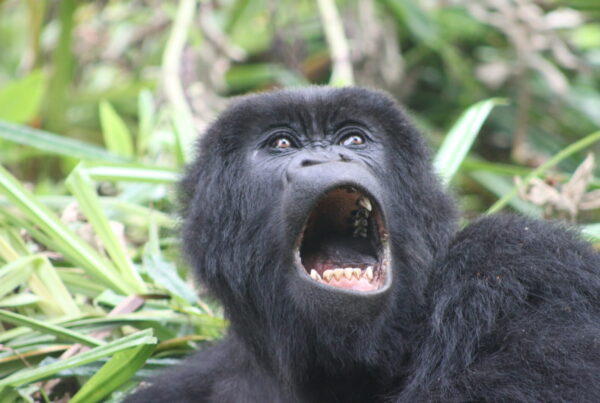
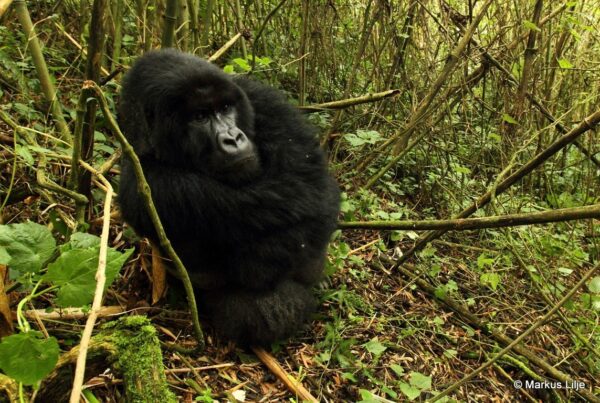
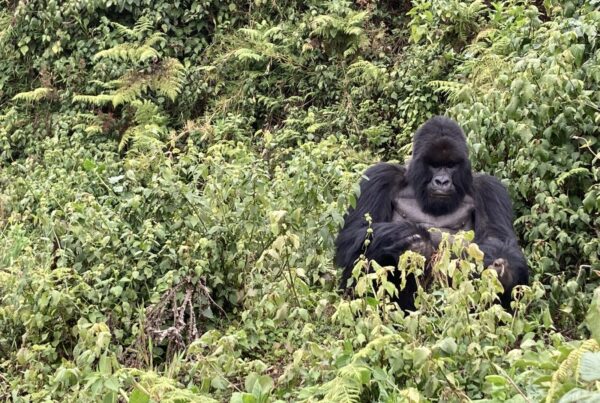
The group was split across two gorilla families on the same morning — the CEO with five colleagues for one family, the remaining six with a second ranger for the other. Trek duration to the first family: three and a half hours. The second group’s trek took four hours. Both treks were among the longer ones of the season — the gorillas had moved deep into the forest after an unusually wet night. By the time both groups reached their respective families, several members of each group were visibly tired, emotionally raw from the exertion, and stripped of the professional performance layer that corporate settings typically maintain. What followed — one hour with the gorillas in that exposed, physically humbled state — produced a quality of emotional openness that the CEO described in a post-trip email as “more vulnerability and honesty than I have seen from this team in five years of meetings.”
The Team Building Result
Three months after the trip, the CEO submitted a detailed testimonial. Three specific outcomes were cited: two colleagues who had been in a professional conflict for 18 months resolved it during the walk back from the gorillas (the physical exhaustion and shared experience had bypassed their usual professional defences). A department head who had been considering leaving the company decided to stay, citing the trip as evidence that the company valued “real experiences over performative ones.” And the CEO themselves described a shift in their understanding of what the company was for — having seen the conservation model at Bwindi, they began a corporate sustainability initiative on returning home. The HR team, they noted, had not predicted any of these outcomes. The gorillas had done what three years of facilitated team workshops had not. Contact us for corporate group gorilla trekking Uganda pricing and logistics.