Updated
What to Expect After Gorilla Trekking: Post-Trek Guide
The Hours and Days That Follow
What to Expect After Gorilla Trekking: Post-Trek Guide The Hours and Days That Follow Most guides to gorilla trekking focus entirely on the preparation and execution of the trek itself, as if the experience ends when you step back onto the trailhead. Most guides to gorilla trekking focus entirely on the preparation and execution of the trek itself, as if the experience ends when you step back onto the trailhead. But the hours and days following your gorilla encounter are equally significant, shaping how you integrate the experience into your life and how you transition from the intensity of the forest back to the rhythms of ordinary travel or daily routine. Understanding what to expect after the trek helps you process the experience more fully and avoid the anticlimax that sometimes follows extraordinary events.
This guide examines the post-trek period: the immediate return to your lodge, the physical recovery process, the emotional processing that many trekkers experience, the certificate presentation, and the practical matters of continuing your Ugandan journey. It offers suggestions for honouring the experience and carrying its lessons forward.
The Immediate Return: Relief and Fatigue
The hike back from the gorillas to the trailhead often feels longer than the approach, even when it is not. Your legs are tired, your emotional energy has been spent in the encounter, and the adrenaline that carried you through the observation hour has dissipated. Many trekkers experience a profound fatigue during the return hike that surprises them.
This fatigue is normal. You have been hiking for hours, often starting before dawn. You have experienced intense emotional stimulation during the gorilla encounter. The humid forest has drained your energy. Accept the fatigue without judgment and focus on putting one foot in front of the other.
When you reach the trailhead, a wave of relief and accomplishment typically follows. Guides will congratulate you. Other trekkers will compare experiences. Take a moment to sit, drink water, and allow your body to begin recovering before the journey back to your lodge.
Physical Recovery
Your body will need recovery time after the trek. Muscle soreness, particularly in legs and calves, is common for one to three days following the hike. Blisters, if they developed, require attention. General fatigue may persist for twenty-four to forty-eight hours.
Hydration and nutrition support recovery. Drink plenty of water to replace fluids lost through sweat. Eat a substantial meal with protein and carbohydrates to replenish energy stores. Many lodges offer post-trek lunches that arrive with perfect timing.
Light stretching helps prevent stiffness. A warm bath or shower soothes tired muscles. If your lodge offers massage services, a post-trek massage is an indulgence that accelerates recovery significantly. Rest in the afternoon after your trek; do not schedule additional demanding activities for the same day.
The Certificate Presentation
Uganda Wildlife Authority provides commemorative certificates to all trekkers who successfully complete a gorilla trek. These certificates, often presented at the lodge or park headquarters in the afternoon or evening after your trek, serve as official recognition of your participation and a tangible reminder of the experience.
The certificate typically includes your name, the date of your trek, the sector where you trekked, and sometimes the name of the gorilla family you visited. While purely symbolic, the certificate holds genuine meaning for many trekkers, representing an achievement and a commitment to conservation.
Keep your certificate safe during travel. Some trekkers frame them upon returning home; others store them with other travel documents. Regardless of how you display or store it, the certificate represents a moment that changed your perspective on wildlife and wild places.
Emotional Processing
Many trekkers experience unexpected emotions in the hours and days following their gorilla encounter. Awe, gratitude, and joy are common. Some trekkers feel a sense of loss or sadness, particularly if they become aware of the threats facing mountain gorillas. Others experience a kind of emotional hangover, a flatness that follows intense peak experiences.
All of these responses are normal. The gorilla encounter is genuinely profound, and profound experiences require processing time. Talk about your experience with fellow trekkers or travel companions. Writing in a journal helps organise thoughts and emotions. Photographs, reviewed in the quiet of your lodge room, bring back details that the intensity of the moment obscured.
Some trekkers report that the emotional impact intensifies rather than diminishes over time. Days after the trek, they find themselves thinking about the gorillas in unexpected moments, recalling specific gestures or expressions with increasing clarity. This delayed processing is a sign that the experience has genuinely penetrated beneath the surface of ordinary tourism.
Sharing the Experience
In the age of social media, many trekkers feel immediate pressure to post photographs and accounts of their experience. While sharing is natural, consider waiting until you have processed the encounter personally before broadcasting it publicly. The first hours after the trek are valuable for private reflection.
When you do share, consider the message you want to convey. Beyond the wow factor of close-up gorilla photographs, your experience carries conservation significance. Sharing information about permit fees funding protection, about the threats gorillas face, and about the importance of responsible tourism amplifies your encounter’s impact beyond personal memory.
Continuing Your Ugandan Journey
Most visitors to Bwindi continue their Ugandan safari to other destinations. Queen Elizabeth National Park, Lake Bunyonyi, Kibale Forest, and Murchison Falls all offer extraordinary experiences that complement gorilla trekking. Approach these subsequent activities with openness rather than comparison; no encounter can replicate the gorilla experience, but each offers its own rewards.
If your itinerary allows, consider spending a second day at Bwindi. A second trek, whether with the same family or a different one, deepens your understanding and provides different perspectives. Some trekkers find the second encounter even more rewarding than the first, as the novelty has faded and deeper observation becomes possible.
Final Thoughts
The gorilla trek does not end when you leave the forest. It continues in your memories, your photographs, your conversations, and the subtle ways it changes how you see the natural world. Honour the experience by giving it the processing time it deserves. Do not rush to the next activity without acknowledging what you have just witnessed.
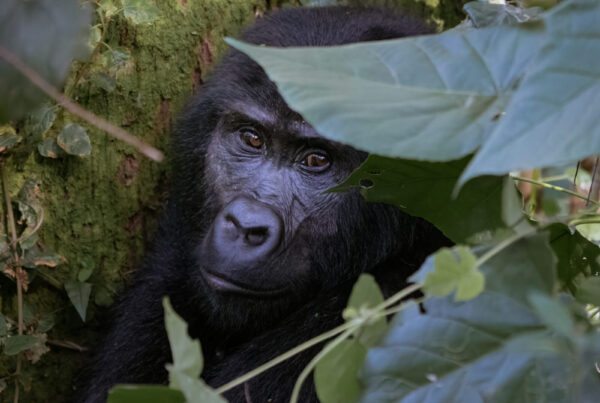
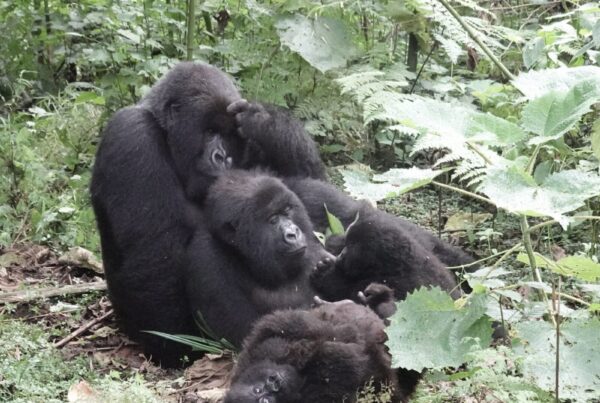
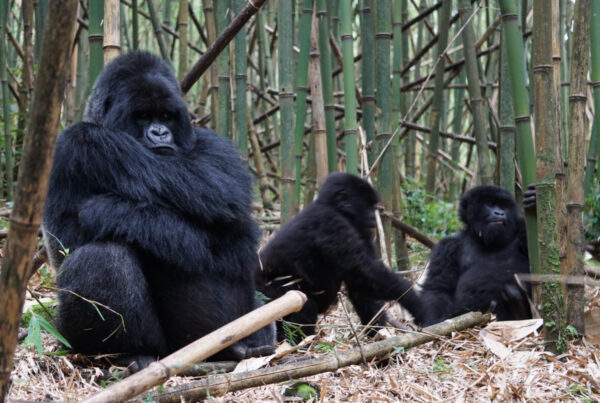
When you return home, weeks or months later, you will find that the gorilla encounter remains vivid while other travel details fade. That persistence is the mark of a genuinely transformative experience. The silverback’s gaze, the infant’s curiosity, the mother’s tenderness, these images will accompany you for years, surfacing in quiet moments to remind you that you once stood in an ancient forest, accepted as a witness to one of the world’s most extraordinary creatures. That memory is your certificate’s true value, and no frame can contain it.