Updated
There is a well-established body of research showing that spending money on experiences produces greater and more durable wellbeing than spending the same money on possessions. The car loses its novelty within weeks. The wardrobe addition is forgotten within months. The great restaurant meal fades into a general positive memory within a year. But the experience — the trip that was genuinely extraordinary, the encounter that changed a framework, the place that revealed something new about what the world is and who you are in it — persists in ways that material acquisitions cannot match.
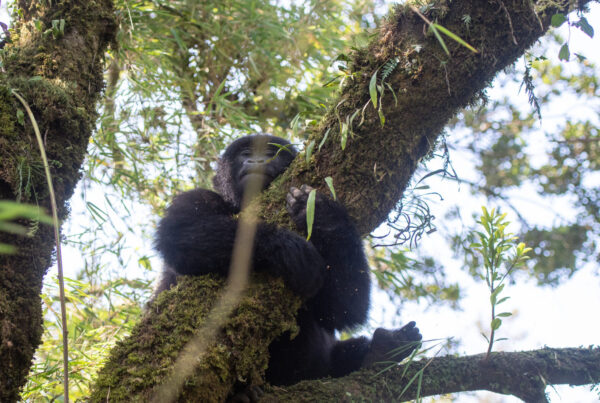
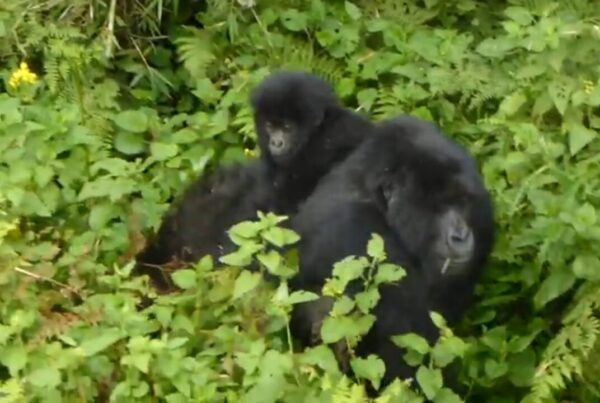
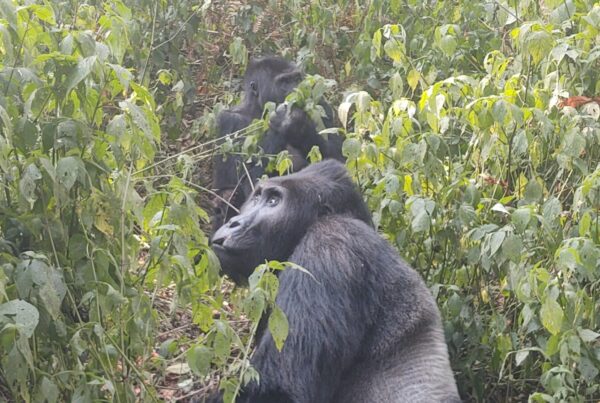
Uganda gorilla trekking is the strongest single example of this principle available in the current global travel market. Not because it is the most expensive experience available — it is far from it. But because the ratio of lasting wellbeing produced to cost invested is, by the consistent testimony of those who have done it, among the highest available anywhere.
The Experience-Versus-Stuff Research
The academic foundation for spending on experience rather than things was built primarily by psychologists Thomas Gilovich, Leaf Van Boven, and their colleagues, whose work from the 2000s and 2010s established several consistent findings. Experiences produce more happiness than material purchases at equivalent cost levels. Experiences are less subject to hedonic adaptation — the process by which new possessions quickly return to baseline in their contribution to happiness. Experiences are more resistant to social comparison — they are less likely to be diminished by knowing that someone else has a “better” version of the same thing. And experiences become more valuable over time, as positive memories tend to improve with distance while the appeal of material possessions tends to diminish.
All of these effects are amplified for experiences that are extraordinary and rare — that are genuinely unlike ordinary experience and that produce the kind of perspective shift that ordinary life does not provide. The gorilla encounter in Uganda scores near the top of any calibration of these factors.
What $2,500 Buys in Each Domain
The comparison is not flattering to material consumption. $2,500 in the experience domain — the approximate total cost of a focused gorilla trekking trip from Europe at mid-range level — buys a memory that research suggests will be among the most vivid and significant in the experiential inventory of most people who make the trip. It buys a perspective shift on the relationship between humans and the natural world. It buys a conservation contribution to one of the few genuinely successful large mammal recovery projects of the twenty-first century. And it buys a story — a specific, particular, unrepeatable story — that belongs to you and to no one else.
$2,500 in the material domain buys a moderately good wardrobe refresh, or a new mid-range consumer electronic, or a piece of furniture of average quality. These things have genuine utility. They do not have the properties that the gorilla trekking experience has: novelty that does not diminish with repetition, memory value that increases with time, or the specific quality of meaning that comes from having been genuinely present at something extraordinary.
The Gorilla as the Strongest Case
The gorilla trekking experience makes the case for experience-over-things so forcefully partly because the experience is so unusual. Most experience purchases — restaurant meals, theatre tickets, sports events — are experiences of familiar categories. You have been to restaurants before. The gorilla encounter is genuinely outside any existing category for most people who have it. The novelty is absolute. The hedonic adaptation effect that reduces the pleasure of repeated similar experiences cannot operate because there is nothing to adapt to. Each encounter with a specific gorilla family is the first of its kind.
The $800 permit — the primary cost and the key investment — funds an experience that most people describe as among the three most significant of their lives. By any measure of return on experiential investment, this is remarkable. Contact us for 2027 availability and let us help you make the best case for spending money on experience that your life has available. The gorillas are waiting.
The case for allocating travel budget to experiences rather than material items draws on a consistent body of research showing that experiential purchases produce more lasting satisfaction than equivalent material purchases. The specific mechanism — that experiences become woven into personal identity and narrative in ways that objects do not — is particularly relevant to gorilla trekking, which consistently appears in post-trip surveys as an experience that changed how participants think about themselves, their relationship to the natural world, or their priorities for future travel. These outcomes are not guaranteed by any specific dollar amount, but they are consistently associated with encounter-based wildlife experiences that engage participants at a physical and emotional level that passive spectatorship cannot.