Updated
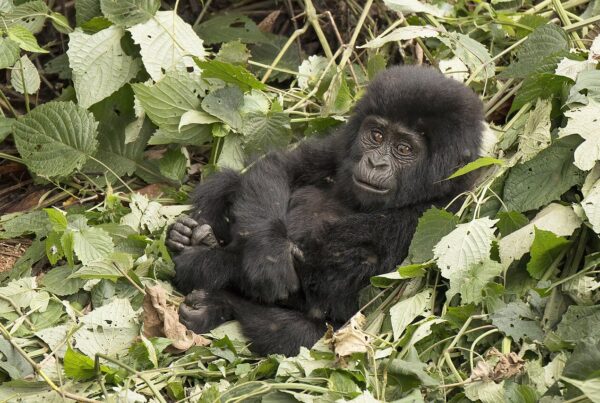
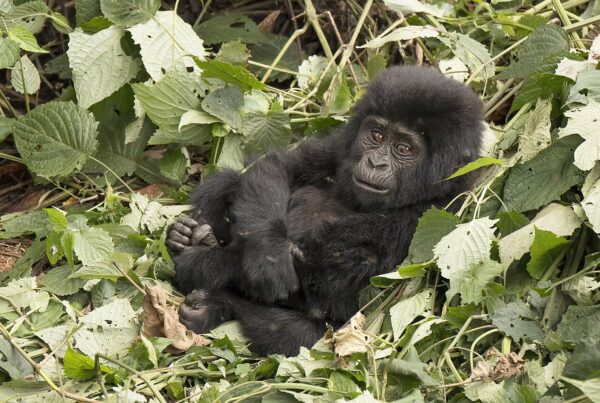
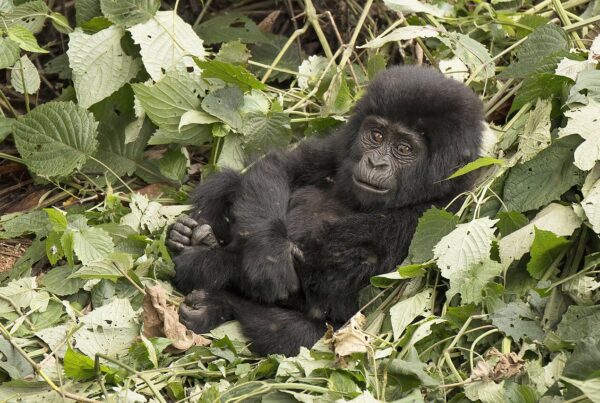
Gorilla trekking Uganda is one of the world’s great wildlife photography opportunities — and one of the most technically challenging. The combination of dense forest light, fast-moving subjects, strict distance rules, and the emotional intensity of the encounter means that photography preparation and the right package make a significant difference to the images you bring home. This is the complete guide for photographer trekkers in 2027.
Photography Permit and Rules at Bwindi
Photography is permitted during gorilla trekking at Bwindi without a special photography permit. You may bring any camera into the forest — DSLR, mirrorless, smartphone, or video camera. There is no restriction on the camera equipment you carry, provided it does not include flash photography. Flash photography is strictly prohibited near the gorillas — it startles the animals and is banned by Uganda Wildlife Authority. If your camera has a pop-up flash, tape it down or disable it before the trek. All photography must be done from the minimum seven-metre distance — you cannot approach the gorillas for a closer shot. The gorillas sometimes approach trekkers; when they do, your ranger will manage the encounter and photography is permitted throughout.
The Photography Challenge: Low Forest Light
Bwindi Impenetrable Forest is, as the name implies, dense. Light levels under the forest canopy are significantly lower than open savanna conditions. ISO settings of 3,200 to 12,800 are commonly required, even on bright days. A fast prime lens or a zoom with a wide maximum aperture (f/2.8 to f/4) dramatically improves image quality in these conditions. The gorillas are not static subjects — they move, forage, and interact continuously during your hour, meaning slow shutter speeds on long lenses will produce blur. As a rule of thumb: set your camera to aperture priority, open the aperture to maximum, set Auto ISO with a minimum shutter speed of 1/250 second, and review exposure frequently as the light changes when gorillas move from forest interior to edge clearings.
Recommended Camera Equipment for Gorilla Trekking
For DSLR and mirrorless photographers: a 70-200mm f/2.8 zoom is the ideal gorilla photography lens — long enough to fill the frame at seven metres, fast enough for forest light, and versatile enough for the variable distances. A 100-400mm or 100-500mm zoom works well for more distant shots. A 24-70mm or 35mm prime is useful for environmental portraits showing the gorillas in their forest context. Camera bodies with strong high-ISO performance — Sony A7 IV, Canon R5, Nikon Z9, Fujifilm XT-5 — produce the cleanest results in low forest light. Bring at least two fully charged batteries — cold highland mornings drain batteries faster than warm climate shooting. A rain cover for the camera is essential (Bwindi is a rainforest — it rains).
The Gorilla Habituation Experience for Photographers
The standard one-hour gorilla trek gives photographers 60 minutes of shooting time. The Gorilla Habituation Experience (GHE) gives four hours. For serious wildlife photographers, the GHE is the definitive Bwindi photography experience. Four hours means you can wait for the light to improve (morning forest light is typically better than midday), photograph changing behaviours through the morning, and spend enough time with the family to build a comprehensive behavioural portrait rather than a collection of snapshot moments. GHE permits cost 1,800 USD and are limited to four visitors per GHE family per day. We strongly recommend the GHE for photographers with professional or semi-professional aspirations from this trip.
Photography Package Options
Our photography gorilla trekking package includes: GHE permit (4 hours, 1,800 USD) or standard permit (1 hour, 800 USD) based on preference; a pre-trek photography briefing with camera settings, behaviour predictions, and positioning guidance; a dedicated porter to carry a camera bag (freeing both hands for camera use during the trek); a guide familiar with gorilla behaviour who can anticipate movement and position you ahead of behavioural moments; and a post-trek image review session at the lodge. For groups of two or more photographers, we can additionally arrange coordinated positioning during the encounter to reduce competitive framing between members of the group. Contact us to book the 2027 photography gorilla trekking Uganda package.
The photography permit system at Uganda’s national parks reflects UWA’s management of the commercial value of wildlife imagery. Standard gorilla trekking permits include personal photography rights; commercial photography permits — for film crews, advertising shoots, and documentary production — require separate negotiated agreements with UWA and typically involve significant additional fees. The distinction matters for visitors who operate professional photography businesses: posting commercial-use images from a standard gorilla trekking permit to paying clients or editorial outlets technically violates the permit terms. An operator with experience in professional photography arrangements can advise on the correct permit category before the trip rather than after the images have been committed to commercial use.