Updated
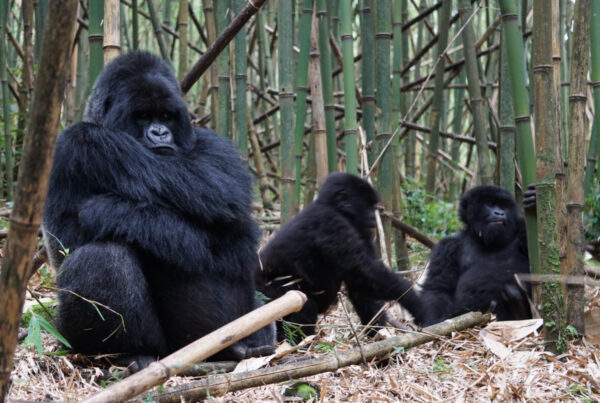
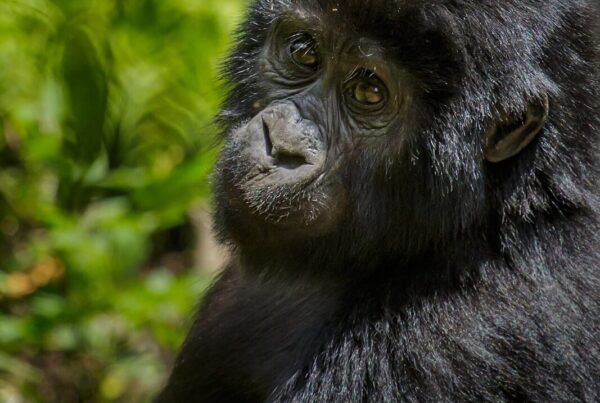
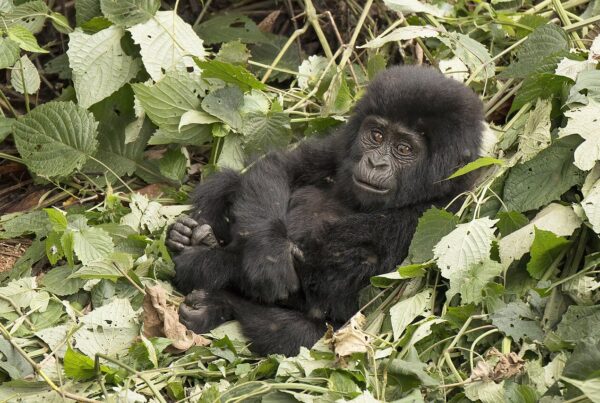
gorilla trekking Uganda corporate group rates is one of Africa’s most extraordinary wildlife experiences, connecting travellers with mountain gorillas in their natural forest habitat. Corporate gorilla trekking Uganda is a growing segment of the Uganda wildlife tourism market. Leadership retreats, team incentive trips, client entertainment, and CSR-linked conservation experiences are all well-suited to the gorilla trekking format. Here is how gorilla trekking Uganda works for corporate groups of 10 or more in 2027.
Gorilla Trekking Uganda Corporate Group: Rates for 10 or More
Why Gorilla Trekking Works for Corporate Groups
The gorilla trekking experience has specific properties that make it exceptionally well-suited to corporate group use. The physical challenge of the trek — shared effort toward a common goal — is a natural team bonding mechanism. The emotional impact of the gorilla encounter creates shared reference points and conversations that persist for years after the trip. The remote, device-hostile forest environment (guides encourage switching off phones for the gorilla hour) enforces the kind of genuine presence and conversation that hotel conference rooms cannot produce. The conservation story — mountain gorillas rescued from the brink of extinction by exactly the kind of international interest and investment that brings corporate travellers to Uganda — provides an authentic CSR narrative. And the sheer exclusivity of the experience — fewer than 100,000 international tourists reach Bwindi per year — makes gorilla trekking a distinctive incentive that money cannot easily replicate.
Gorilla Permit Allocation for Groups
Uganda Wildlife Authority limits gorilla trekking to eight visitors per gorilla family per day. A corporate group of 10 requires a minimum of two gorilla family permits (two groups of five). A group of 16 requires two groups of eight. Groups of more than 16 may need to spread the gorilla trek across two consecutive days (eight on Day 1, eight on Day 2) unless UWA can allocate two same-sector families on the same morning — which is possible at Rushaga with its six available families. Planning permit logistics for large corporate groups requires advance coordination with UWA through an accredited operator. Do not attempt to arrange large-group gorilla permits independently — the logistics are complex and the operator relationship is essential.
Corporate Group Logistics
Transport: groups of 10 to 16 travel in a convoy of two or three 4WD vehicles, or in a minibus plus one support vehicle. Charter flight options for large groups require multiple aircraft — Cessna Caravan seat-share for groups up to 10 per flight, or two aircraft operating simultaneously. Accommodation: corporate groups typically require block bookings at a single lodge or across adjacent properties. Rushaga sector has the most lodge options for large group block booking. Buhoma has excellent infrastructure at a smaller scale. We coordinate full lodge block booking for corporate groups as part of the package. Meals and events: corporate groups often want a bush dinner, a sundowner event, or a post-trek debrief facilitated in a lodge setting. These are arrangeable with advance notice and add a programme-management dimension to the standard gorilla trekking itinerary.
CSR and Conservation Partnership Options
Corporate groups visiting Uganda can build a CSR element into their trip through the Bwindi Community Trust — a registered charity that funds community development around the national park. A corporate donation to the Trust of 500 to 2,000 USD can be structured as a group contribution, with the Trust providing documentation for corporate social responsibility reporting. We facilitate this connection as part of our corporate group service and can arrange a meeting with Trust representatives for groups who want to understand the community conservation model directly.
Corporate Group Pricing 2027
Corporate gorilla trekking Uganda pricing for groups of 10 or more benefits from volume on the accommodation and transport components. Gorilla permits are a fixed 800 USD per person regardless of group size. For a group of 10, indicative in-country package cost: 1,800 to 2,200 USD per person for a five-day all-inclusive package (permit plus all logistics). This represents approximately 10 to 15% below standard per-person pricing for individual bookings and reflects the efficiency of coordinated group travel. Contact us with your group size, target dates, and programme objectives for a bespoke 2027 corporate gorilla trekking Uganda quotation.
Frequently Asked Questions
The standard gorilla trekking permit costs $800 per person for foreign non-residents (FNR). EAC foreign residents pay $700. During low season — April, May, and November — the FNR rate drops to $600. The Gorilla Habituation Experience permit (4 hours, Rushaga sector only) costs $1,800 per person.
Permits are issued by Uganda Wildlife Authority (UWA). Most visitors book through a licensed Uganda tour operator, who handles the UWA reservation, permit transfer, and sector logistics. Direct booking via the UWA eTourism portal is available but operators handle the complexity of sector assignment and date changes.
During peak season (June–September, December–February): book 3–6 months ahead. During low season (April, May, November): 4–8 weeks is usually sufficient. The AFCON 2027 period (June–July 2027) will see unusually high demand — book at least 6 months ahead for any date in that window.
UWA gorilla permits are non-refundable but can be rescheduled to another date subject to availability and sufficient advance notice. Your tour operator handles this process. Travel insurance that covers trip cancellation and curtailment is strongly recommended for all Uganda gorilla bookings.
Yes. The permit price is set by Uganda Wildlife Authority and is fixed regardless of which operator you use. No operator can offer a discount on the $800 permit — only their service fees (accommodation, transport, guiding) vary between companies.