TALK TO AN EXPERT +256 716 068 279 WHATSAPP OPEN NOW.

Home / Travel News, Stories & Tips / Travel Logistics & FAQs / How Many Mountain Gorillas Are Left in the World 2026

The Current Mountain Gorilla Population

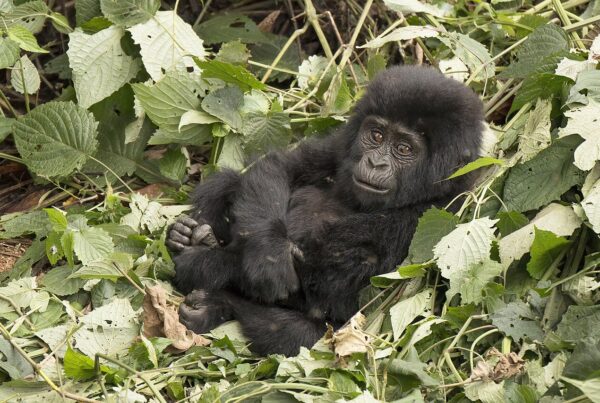
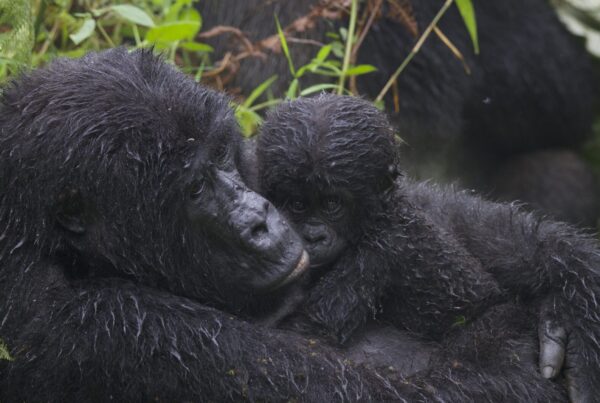
As of the most recent census data, approximately 1,063 mountain gorillas survive in the wild. This figure, updated from the landmark 2018 count of 1,004, represents one of conservation’s most remarkable success stories. A species that numbered fewer than 250 individuals in 1981 has more than quadrupled its population through sustained, well-funded protection. Yet the number remains precariously small, and every individual counts in the effort to secure the species’ future.

Mountain gorillas exist in only two isolated populations. The larger group inhabits the Bwindi Impenetrable National Park in Uganda, home to roughly half the world’s total. The second population lives across the Virunga Massif, a chain of six extinct and three active volcanoes straddling the borders of Uganda, Rwanda, and the Democratic Republic of Congo. These two populations are separated by farmland and human settlement, making genetic exchange between them impossible without human intervention.

Where Mountain Gorillas Live: A Geographic Overview

Understanding the geographic distribution of mountain gorillas clarifies why their survival remains fragile despite population growth.

Bwindi Impenetrable National Park, Uganda

Bwindi is home to around 459 mountain gorillas across its 321 square kilometres of ancient montane forest. The park contains more than half of the world’s mountain gorilla population and hosts ten habituated gorilla families open to trekking, plus several more under habituation or reserved for research. Bwindi’s relatively accessible location, well-developed tourism infrastructure, and experienced ranger corps make it the most visited gorilla habitat on Earth.

Volcanoes National Park, Rwanda

Rwanda’s Volcanoes National Park, which shares the Virunga ecosystem with Congo and Uganda’s Mgahinga park, is home to approximately 400 mountain gorillas across the Virunga population. Rwanda pioneered luxury gorilla tourism, charging $1,500 per permit and investing heavily in conservation. The park’s stunning volcanic landscape and proximity to Kigali make it a premium destination.

Mgahinga Gorilla National Park, Uganda

Uganda’s smallest national park, Mgahinga covers just 33.9 square kilometres of the Virunga slopes and contains the Nyakagezi family, a single habituated group of around 11 individuals. The park’s small size and boundary with Rwanda and Congo make it a gateway location rather than a standalone population centre.

Virunga National Park, Democratic Republic of Congo

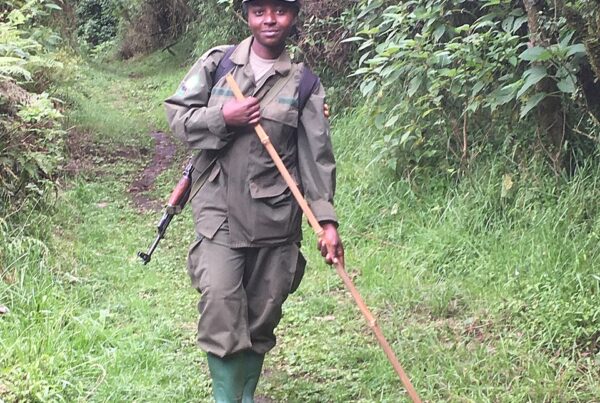
Virunga is Africa’s oldest national park and a UNESCO World Heritage Site, though it has suffered severely from decades of conflict. The park’s gorilla population has been protected through extraordinary courage by rangers working in dangerous conditions. Gorilla tourism in Virunga has been suspended or restricted multiple times due to security concerns, making it the least accessible of the three countries for visitors.

How the Population Is Counted

Counting mountain gorillas is not a simple task. Unlike many animals that can be surveyed by aerial count or camera trap, gorillas require direct identification. Researchers use nose print identification, a technique based on the unique pattern of wrinkles across each gorilla’s nose, which functions like a fingerprint. Over decades of research, scientists have catalogued the nose prints of every known individual in both populations.

The census process involves teams of researchers moving through the entire habitat over months, locating and photographing gorillas, collecting faecal samples for DNA analysis, and cross-referencing identifications against the existing database. The 2018 census, which established the 1,004 figure, was the most comprehensive ever conducted. The updated 2022 estimates bring the total to approximately 1,063, incorporating improved survey methodology and the discovery of previously uncounted individuals.

The Recovery Story: From Near-Extinction to Growth

The mountain gorilla’s recovery from the brink of extinction is one of conservation’s most inspiring achievements. In 1981, primatologist Dian Fossey estimated that only 254 individuals remained. Decades of poaching, habitat destruction, and civil conflict had driven the species to the edge. Fossey’s field research and advocacy, followed by the development of regulated gorilla tourism, fundamentally changed the trajectory.

The tourism model proved transformative. Permit fees, ranging from $400 to $800 per person in Uganda and up to $1,500 in Rwanda, generate millions of dollars annually. This revenue funds anti-poaching patrols, ranger salaries, veterinary programmes, and community development projects that give local people economic reasons to protect gorillas rather than exploit them. The result has been a steady, documented population increase over four decades.

Ongoing Threats to Mountain Gorillas

Despite recovery, mountain gorillas remain classified as Endangered on the IUCN Red List. Several threats continue to pressure the population.

Disease transmission: The genetic similarity between gorillas and humans means that common human illnesses can devastate gorilla groups. Respiratory viruses, including influenza and COVID-19, have caused gorilla deaths. All visitors must maintain seven metres distance, and anyone showing symptoms is denied trekking access. Even with these precautions, disease transmission remains the species’ most immediate threat.

Habitat pressure: Both gorilla habitats are surrounded by densely populated farmland. Buffer zone management and community benefit programmes reduce pressure, but population growth in surrounding areas creates ongoing encroachment risk. In Bwindi, the park boundary is visible from lodge verandas, illustrating the proximity of human settlement.

Climate change: Rising temperatures and altered rainfall patterns may shift the distribution of food plants that gorillas depend on. Models suggest that suitable habitat may contract over coming decades, squeezing a species already confined to a narrow altitudinal range.

Political instability: The Virunga population in Congo remains vulnerable to conflict. Civil unrest has forced the suspension of tourism and conservation activities multiple times, removing the protective presence that tourism-funded rangers provide.

What the Numbers Mean for Gorilla Trekking

With approximately 1,063 mountain gorillas on Earth, Uganda’s $800 gorilla permit represents a share of the most exclusive wildlife encounter possible. Access is strictly limited: only eight visitors per gorilla family per day, with habituated families in Uganda accommodating a maximum of 80 to 96 visitors daily across all sectors. In a world of eight billion people, that daily access quota is extraordinarily small.

This scarcity is not artificial. It reflects genuine conservation necessity. Too many visitors would stress the gorillas, increase disease transmission risk, and damage the forest. The limits ensure that tourism remains sustainable while generating the revenue that justifies conservation at the scale required.

The Path Forward

The International Union for Conservation of Nature reclassified mountain gorillas from Critically Endangered to Endangered in 2018, acknowledging the population’s recovery while noting that much work remains. Conservation organisations including the International Gorilla Conservation Programme, Gorilla Doctors, and the Dian Fossey Gorilla Fund continue working to secure the species’ future.

The target is a self-sustaining population large enough to survive without intensive management. Most conservationists believe this requires a minimum of 2,000 individuals. Reaching that threshold from the current 1,063 will take decades of continued protection, funding, and political commitment from Uganda, Rwanda, and the DRC. Every gorilla permit purchased contributes directly to that goal.

Final Thoughts

The answer to “how many mountain gorillas are left” is at once reassuring and sobering. Reassuring because 1,063 represents more than four times the number that existed when serious conservation efforts began. Sobering because 1,063 is still an extraordinarily small number for a species on which so many people project their hopes for wild Africa’s future. The gorillas’ survival to this point is humanity’s achievement. Their continued survival is humanity’s responsibility.

Ready to experience Uganda’s mountain gorillas in 2026? Secure your gorilla permits early and let us craft a seamless safari tailored to your travel style, preferred trekking sector, and accommodation level. From luxury lodges to well-designed midrange journeys, every detail is handled for you. Every itinerary is carefully planned to maximize your time in the forest while ensuring comfort, safety, and unforgettable encounters.

Have questions about gorilla permits, travel dates, or the best itinerary for you? Speak with a safari expert and get clear, honest guidance to plan your trip with confidence.

When is the last time you had an adventure? African Gorillas!!! Up Close With Uganda’s Wild Gorillas Touched by a Wild Gorilla: An Unforgettable Encounter Inside Gorilla Families: Bonds, Hierarchies & Jungle Life Face to Face With a Silverback: The Wild Encounter You’ll Never Forget