The Current Count
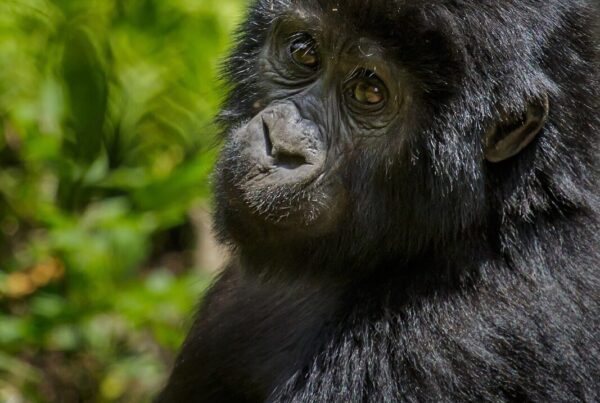
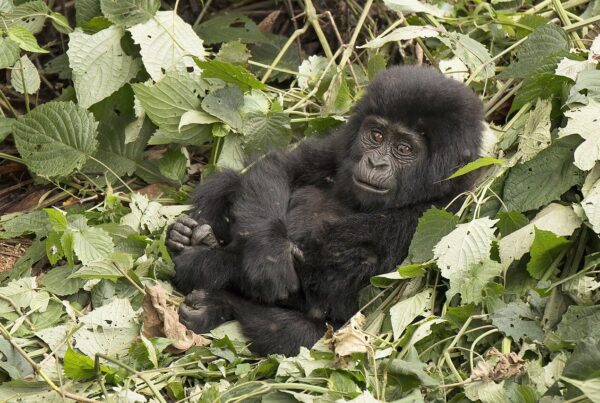
As of the most recent population census, there are approximately 1,063 mountain gorillas (Gorilla beringei beringei) left in the world. This figure, derived from a 2018 census that combined the Bwindi and Virunga populations for a single species-wide estimate, represents the only known individuals of this subspecies on Earth. Every mountain gorilla alive today is in one of two isolated populations in the highland forests of East Africa, and the total count of just over a thousand makes this one of the most precisely monitored large mammal populations anywhere in the world.
Population Distribution
The 1,063 mountain gorillas are distributed between two geographically separate populations. The Bwindi population, in Bwindi Impenetrable National Park and the adjacent Sarambwe Reserve in DRC, numbers approximately 459 to 480 individuals in over 50 family groups. The Virunga population, shared between Mgahinga Gorilla National Park (Uganda), Volcanoes National Park (Rwanda), and Virunga National Park (DRC), contains approximately 604 individuals.
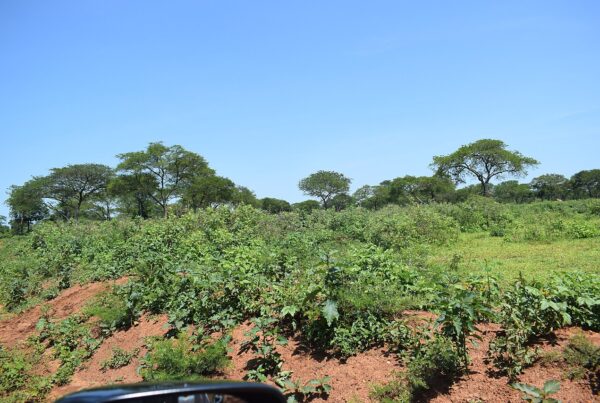
The two populations are geographically isolated from each other by a corridor of agricultural land approximately 25 kilometres wide between Bwindi and the Virungas. This isolation prevents natural movement of individuals between populations, meaning the two populations are effectively separate gene pools with no current natural genetic exchange. Long-term genetic management of both populations must account for this isolation and its consequences for genetic diversity.
How the Population Is Counted
Mountain gorilla censuses use a combination of direct observation of habituated groups, nest counts in surveyed areas for non-habituated groups, and genetic analysis of faecal samples for individual identification. The methodology has become progressively more accurate as genetic tools have improved, allowing researchers to identify individuals from DNA in dung samples without requiring direct sighting.
For habituated groups, individual identification is straightforward: each gorilla is known by face, body characteristics, and behavioural identity, making individual counts accurate within habituated populations. For non-habituated groups, nest counting (counting sleeping nests in surveyed areas) provides group size estimates that are then aggregated across surveyed areas with appropriate statistical corrections for survey coverage.
Population censuses are conducted approximately every 5 to 10 years, with the most recent comprehensive census completed in 2018. In the intervening years, population trend estimates are derived from annual monitoring data from habituated groups and periodic surveys of key non-habituated areas.
Population Trend: Genuine Growth
The trend in mountain gorilla population numbers over the past four decades is genuinely positive. From 254 individuals in 1981, the population has grown to 1,063 — an approximately fourfold increase over 37 years, representing an average annual growth rate of approximately 3 to 4%. This sustained positive trend has been confirmed by successive censuses: 620 in 1989, 650 in 2010, 880 in 2010, 1,004 in 2015, and 1,063 in 2018.
The growth rate, while positive, is slow by the standards of rapidly reproducing species — a reflection of the gorilla’s inherently low reproductive rate (one infant every 4 to 5 years per female, with high infant mortality in some years). A 3 to 4% annual growth rate is near the biological maximum for a species with this reproductive rate, suggesting that conservation management has been effective enough to reduce mortality to near the minimum achievable while natural reproductive output contributes fully to population growth.
The IUCN Status Change
In September 2018, the International Union for Conservation of Nature updated the mountain gorilla’s Red List classification from Critically Endangered to Endangered. This downlisting — moving the species to a less severe threat category — reflected the documented population recovery and the sustained conservation management that produced it. The reclassification was a milestone but explicitly not a declaration that the species was secure: Endangered species remain at high risk of extinction, and the mountain gorilla’s total population of just over 1,000 individuals in two isolated populations remains fragile.
The conditions under which the Red List reassessment was based included sustained population growth, effective protection in both populations, and the development of community-based conservation systems that had dramatically reduced poaching pressure. However, the assessment also noted continued risks from disease, habitat loss, and political instability that could reverse the positive trend if conservation effort declined.
Future Population Projections
Population viability analyses — mathematical models that project future population trajectories under different scenarios of mortality, reproduction, and habitat change — suggest that mountain gorilla populations are viable under current management conditions for the foreseeable future, assuming sustained protection. However, these models also identify the species’ vulnerability to catastrophic events: a severe disease outbreak, a major political disruption to conservation in one of the range countries, or a rapid deterioration of habitat could reverse decades of progress within years.
Climate change projections add another layer of uncertainty: as highland temperatures increase and rainfall patterns shift, the plant communities that gorillas depend on may shift in distribution in ways that reduce habitat quality or availability. These projections are incorporated into long-term conservation planning that looks beyond current conditions to the habitat management actions needed to maintain gorilla populations through the next several decades of environmental change.
Final Thoughts
1,063 mountain gorillas. In the entire world. That number is simultaneously an achievement — four times the 1981 count, in a species that was genuinely at risk of extinction within decades — and a reminder of how small the margin remains between survival and loss. Every individual matters in a population this size. Every death from disease, poaching, or habitat loss is a measurable reduction in the species’ viability. And every birth, every infant successfully raised to reproductive age, is a meaningful addition to the slow, hard-won recovery that the mountain gorilla represents.