Updated
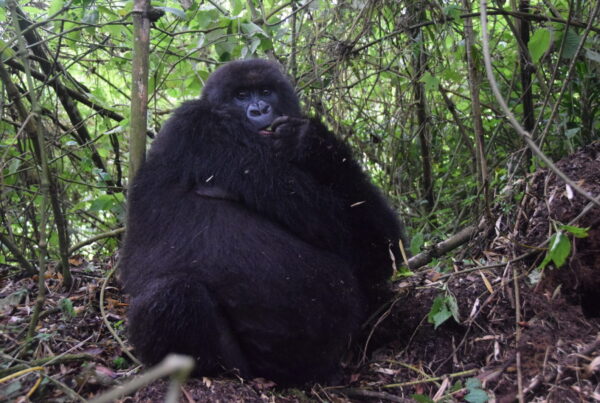
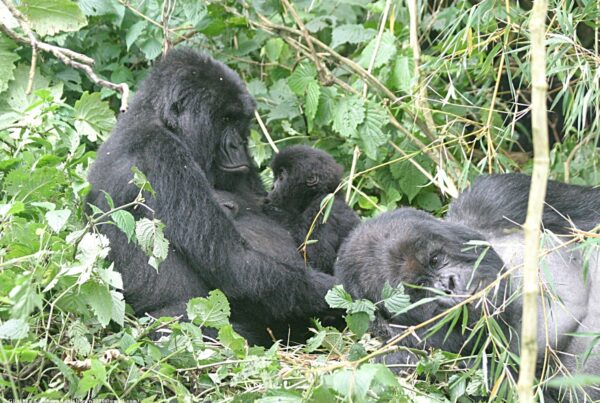
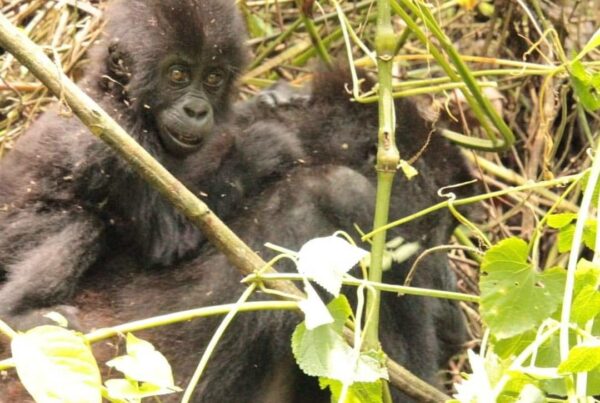
gorilla trekking Uganda veterans military is one of Africa’s most extraordinary wildlife experiences, connecting travellers with mountain gorillas in their natural forest habitat. Military veterans planning gorilla trekking in Uganda bring a particular set of experiences and capabilities to the challenge — and often a particular relationship with the question of what experiences they have earned. This guide addresses gorilla trekking Uganda for veterans specifically: the permit pricing, the physical preparation, and the specific qualities of the Bwindi experience that those who have served in demanding environments often find more resonant than general descriptions convey.
Gorilla Trekking Uganda for Veterans: Service and Sacrifice Deserve Extraordinary Experiences
Permit Pricing
Uganda Wildlife Authority does not operate a military or veteran discount on the standard international non-resident gorilla permit. The permit is $800 USD per person. Veterans who are citizens of EAC member states qualify for the EAC citizen rate of 300,000 UGX. Some operators and lodges that specifically serve veteran travel programmes offer accommodation discounts and package reductions for veterans booking through designated programmes — these are worth researching when selecting your operator.
Several international veteran travel organisations have established relationships with Uganda-based operators that include group discounts on ancillary costs. The permit cost itself is fixed by UWA, but the total cost of a gorilla trek — flights, accommodation, guide fees, transfers — has more flexibility when booked through group programmes.
The Physical Dimension
Veterans with service-related injuries or physical limitations need realistic information about the physical demands of gorilla trekking. The trek ranges from one to six hours of walking on uneven forest terrain at altitude. Injuries that affect lower limb stability, cardiovascular capacity, or load-bearing are the primary considerations. For veterans with significant lower limb injuries, Buhoma sector and the allocation of a strong porter can make the difference between a manageable and an unmanageable experience.
Veterans with PTSD or anxiety considerations should know that the forest environment — the complete absence of urban noise, the specific quality of forest sound, the physical engagement of sustained walking — is described by many as actively restorative. The silence of Bwindi is not an absence of sound but a presence of something different from the soundscapes of military and post-military environments. Many veterans who have trekked at Bwindi describe the experience as unexpectedly therapeutic without having sought it as such.
What the Forest Offers
The gorilla encounter for veterans often has a specific quality described by guides who have worked with veteran trekking groups: the acceptance of uncertainty, the physical engagement with a demanding environment, and the encounter with something outside human conflict all produce a response that is distinct from the standard tourist experience. One guide who has led veteran trekking groups from several countries says that veterans tend to be the quietest people in the forest — not because they are suppressing their response, but because they seem to understand, more than most visitors, when silence is the appropriate response to what they are seeing.
Contact us to plan your 2027 gorilla trekking Uganda trip. The permit is $800. Service and sacrifice deserve the best of what the world has to offer. Bwindi is part of it.
Frequently Asked Questions
Uganda is home to the mountain gorilla (Gorilla beringei beringei), one of two subspecies of eastern gorilla. They live exclusively in the Virunga volcanic highlands (Uganda/Rwanda/DRC) and Bwindi Impenetrable Forest (Uganda only). Mountain gorillas are the only gorilla subspecies that cannot survive in captivity — every individual you can trek is a wild animal.
The standard gorilla trekking permit gives you exactly 1 hour with the gorilla family. This time begins when you make first contact with the family — the ranger signals the start. The Gorilla Habituation Experience gives 4 hours with a semi-wild family. The walk to find the gorillas can take 30 minutes to 5 hours depending on where the family has moved.
Stay calm, crouch down slowly, avoid direct eye contact, and remain quiet. Do not run — running triggers a chase response. Rangers accompanying your group manage close approaches. Habituated gorillas are accustomed to humans and almost never make contact, but a charging silverback is managed by staying still and following ranger instructions immediately.
A maximum of 8 visitors per habituated gorilla family per day for standard trekking. The Gorilla Habituation Experience has a maximum of 4 visitors per family per day. These limits are set by UWA to minimise stress on the gorilla families and maintain the quality of the experience.
Uganda is home to the mountain gorilla (Gorilla beringei beringei), one of two subspecies of eastern gorilla. They live exclusively in the Virunga volcanic highlands (Uganda/Rwanda/DRC) and Bwindi Impenetrable Forest (Uganda only). Mountain gorillas are the only gorilla subspecies that cannot survive in captivity — every individual you can trek is a wild animal.