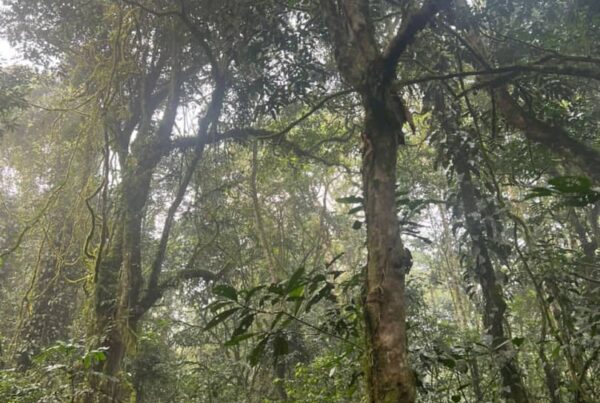
The clothing you wear for gorilla trekking directly affects your comfort, safety, and ability to move freely in the forest — and getting it wrong is easy because the conditions in Bwindi are more specific than most outdoor activities. The forest is cool in the morning, warmer by midday, and can become suddenly wet in any season. The terrain is steep, muddy, and covered in nettles and sharp vegetation that reach exposed skin immediately. See how clothing fits into the full Bwindi trek preparation guide and the complete booking checklist.
- Trousers: long, lightweight — protect against nettles and insects
- Shirt: long-sleeved — same reason; tuck into trousers at the waist
- Boots: waterproof, ankle-support hiking boots broken in before travel
- Gloves: garden or work gloves — for gripping vegetation on steep sections
- Rain poncho: hands-free rain coverage — not an umbrella
- Colors: dark or muted earth tones — avoid bright colors and strong perfume near gorillas
The clothing you wear for gorilla trekking directly impacts your comfort, safety, and ability to enjoy the experience. Bwindi’s forest is not a forgiving environment for inappropriate attire. Rain arrives without warning, mud claims inadequately protected feet, stinging nettles punish exposed skin, and thorny vegetation snags loose fabrics. Travellers who arrive dressed for a city walk or a beach holiday quickly discover that the forest demands specific, functional clothing choices that prioritise protection and practicality over style.
This comprehensive clothing guide goes beyond generic packing lists to explain exactly what to wear for each component of the gorilla trekking experience, why specific fabrics and designs matter, how to layer effectively for changing conditions, and what common clothing mistakes to avoid. Whether you are shopping specifically for your trek or assembling outfits from items you already own, this guide ensures that your clothing supports rather than hinders one of the most extraordinary wildlife encounters on Earth.
The Layering System: Foundation of Forest Comfort
Bwindi’s climate is unpredictable. Morning temperatures at the trailhead may be twelve degrees Celsius and raining, while midday in the forest can reach twenty degrees with high humidity. The layering system allows you to adjust to these changing conditions without carrying excessive bulk or being caught unprepared.
The base layer sits directly against your skin and serves two functions: moisture management and thermal regulation. Synthetic fabrics such as polyester or nylon, or natural merino wool, wick sweat away from your skin and dry quickly. Cotton is the enemy of forest comfort; it absorbs moisture and stays wet for hours, leaving you cold, clammy, and potentially hypothermic in cool, wet conditions. Invest in a long-sleeved synthetic top and lightweight synthetic trekking trousers as your foundation.
The mid-layer provides insulation. A lightweight fleece or softshell jacket traps warmth during chilly early mornings and rest stops. Fleece is warm, breathable, and quick-drying, though it offers little wind or rain protection. Softshell provides better weather resistance with slightly less breathability. Either works well as a mid-layer; the choice depends on expected conditions and personal preference.
The outer layer is your shield against rain and wind. A waterproof, breathable rain jacket is essential. Look for jackets with sealed seams, adjustable hoods, and pit zips for ventilation. The jacket should be large enough to fit over your mid-layer without restricting movement. A jacket that extends below your hips provides better protection than waist-length alternatives, particularly when sitting on wet ground during the gorilla encounter.
Trousers and Lower Body Protection
Trekking trousers should be lightweight, quick-drying, and durable. Convertible trousers with zip-off legs offer versatility for varying temperatures, though the zippers can be uncomfortable if they sit directly against your skin when kneeling or sitting. Straight-leg designs are preferable to boot-cut or wide-leg styles, which catch on vegetation and retain moisture.
The colour of your trousers matters more than you might expect. Neutral earth tones, khaki, olive, brown, or forest green, help you blend into the environment and avoid disturbing wildlife. Dark colours, particularly navy and black, attract tsetse flies, which can be a genuine nuisance during the trek. Bright colours, red, orange, yellow, disturb wildlife and mark you as an obvious intruder in the forest. Camouflage patterns should be avoided, as they may be confused with ranger uniforms and are discouraged by UWA.
Some trekkers wear gaiters over their trousers and boots to prevent mud, water, and debris from entering their footwear. Gaiters are particularly valuable during rainy season treks or after recent rainfall. They add minimal weight and bulk but significantly improve comfort on wet, muddy trails.
Footwear: The Most Critical Clothing Decision
The single most important piece of clothing for gorilla trekking is your footwear. Inadequate shoes cause blisters, rolled ankles, slips, and falls that can end your trek prematurely or cause serious injury. Bwindi’s trails are uneven, muddy, occasionally slippery, and demand footwear that provides support, traction, and protection.
Sturdy, waterproof hiking boots with ankle support are essential. Trail running shoes or sneakers are inadequate; they lack the ankle support, waterproofing, and protective toe caps that forest hiking demands. Boots should be well broken-in before your trek. Brand-new boots on trek day are a recipe for debilitating blisters that will dominate your experience for all the wrong reasons.
Break in your boots by wearing them on progressively longer walks over several weeks before your trip. Walk on varied terrain including hills, uneven ground, and muddy sections if possible. If you develop hotspots during breaking-in, address them immediately with blister plasters, adjustments to lacing technique, or different sock combinations.
Sock choice complements boot choice. Merino wool or synthetic hiking socks provide cushioning, moisture management, and blister prevention. Avoid cotton socks, which share cotton’s moisture-retention problems. Some trekkers wear a thin liner sock beneath their hiking sock to reduce friction. Carry a spare pair of dry socks in a sealed bag; changing into dry socks at the end of the trek is one of life’s small but profound pleasures.
Upper Body and Arm Protection
Long sleeves are strongly recommended for gorilla trekking, even in warm weather. They protect against stinging nettles, thorny vegetation, insect bites, and sun exposure during open walking phases. Lightweight, breathable long-sleeved shirts in synthetic or merino wool fabrics provide protection without overheating.
A wide-brimmed hat or cap with neck protection serves multiple purposes. It shields against rain, sun, and falling debris from the canopy. A hat with a chin strap prevents it from blowing off in wind or during rapid movement. Avoid baseball caps, which provide inadequate neck and ear protection.
Garden gloves or thin trekking gloves protect your hands when gripping vegetation for balance, pulling yourself up steep sections, or pushing through dense undergrowth. Lightweight gloves with synthetic palms and breathable backs offer protection without excessive warmth. Some trekkers prefer fingerless gloves for better camera dexterity.
Rain Protection Essentials
Rain is not an exception in Bwindi; it is a feature of the environment. Annual rainfall exceeds fourteen hundred millimetres, and brief showers can occur on any day regardless of season. Waterproof rain gear is not optional; it is essential for comfort and safety.
A quality rain jacket with sealed seams is the minimum requirement. A poncho that covers both you and your backpack provides superior protection during heavy rain, though it can be awkward in dense vegetation. Some trekkers carry both: the jacket for light rain and the poncho for deluges.
Waterproof trousers are valuable during prolonged rain, though they are often omitted by trekkers who accept that their legs will get wet. If you choose not to wear waterproof trousers, ensure that your trekking trousers dry quickly and that you have dry clothes to change into after the trek.
Waterproof protection for your daypack is equally important. A pack cover or waterproof liner keeps spare clothing, electronics, and your permit documents dry. Ziplock bags provide inexpensive, effective protection for phones, cameras, and batteries.
What Not to Wear
Certain clothing choices are actively harmful or inappropriate for gorilla trekking. Avoid perfume, cologne, and scented deodorant; gorillas have sensitive noses, and strong scents can disturb them. Avoid jewellery, particularly dangling earrings, necklaces, and bracelets that can catch on vegetation or be lost. Avoid loose scarves, flowing garments, or anything that drags on the ground, which catches mud and vegetation.
Denim jeans are unsuitable for forest trekking. They are heavy, absorb moisture, dry slowly, and restrict movement. Leggings or tights without durable outer layers offer insufficient protection against nettles and thorns. Sandals, flip-flops, or any open-toed footwear are dangerous on forest trails.
Final Thoughts
Clothing for gorilla trekking is not about fashion or personal expression. It is about functional protection that allows you to move through challenging terrain comfortably and safely. The right clothing keeps you dry, warm, and protected from the elements and vegetation, allowing your attention to focus on the extraordinary encounter ahead rather than on physical discomfort.
When you stand before a silverback, your clothing should be invisible to your own awareness. You should feel neither too hot nor too cold, neither soaked nor restricted. The best-dressed trekker is the one who forgets what they are wearing because their clothing is doing its job so effectively that it requires no attention. Achieve that state of functional invisibility, and you are free to give the gorillas the full attention they deserve.
What trousers should I wear for gorilla trekking?
Long trousers are mandatory — shorts expose your legs to stinging nettles, insect bites, and sharp vegetation throughout the trek. Lightweight hiking trousers or cargo trousers work well. Avoid jeans, which become heavy when wet, dry slowly, and restrict movement on steep climbs. Tuck your trousers into your socks at the bottom to prevent insects and ants from climbing up your legs — a detail most first-timers miss until the briefing.
What shoes are best for gorilla trekking?
Waterproof hiking boots with ankle support are the non-negotiable footwear for gorilla trekking. Bwindi’s slopes are steep and often muddy, and ankle rolls on root-covered terrain are a real risk without proper support. The boots must be broken in before your trek — new boots cause blisters on descents regardless of fit. Wear them on progressively longer walks for 4–6 weeks before departure. Gaiters worn over the boot top prevent mud from entering and are particularly useful in the wet season.
Why do gorilla trekking guides recommend garden gloves?
On steep forest sections, you often grab vegetation to pull yourself up or stabilize on slippery ground. Bwindi contains stinging nettles and other plants with sharp edges that cut unprotected hands on contact. Cheap garden gloves protect your hands on these sections without bulk. They also allow a proper grip on a walking stick — most lodges and trekking operators provide or rent walking sticks at the trailhead.
Should I avoid bright colors when gorilla trekking?
Yes. Muted, dark earth tones — greens, browns, khakis, dark blues — are recommended. Bright colors are not harmful to the gorillas but make the group more visually conspicuous in the forest and can cause unnecessary alertness in some animals. More practically, bright clothing shows mud, dust, and forest debris immediately. Strong perfume, cologne, and scented insect repellent should also be avoided as the gorillas’ close proximity means they can detect human scent clearly.
Do I need a rain jacket or just a poncho for gorilla trekking?
A rain poncho is preferred over a jacket because it covers your bag as well as your body and keeps your hands free for grabbing vegetation. Bwindi is a rainforest — rain can start at any time regardless of season, and light rain is common even in dry months. A packable poncho takes up no space and weighs almost nothing. If you have a quality waterproof jacket you already own, that works too — the principle is waterproofing and keeping your hands free.
- What Not to Wear Gorilla Trekking: 10 Clothing Mistakes to Avoid in Uganda
- Uganda dress code: traditional clothing and what tourists should wear
- Bwindi Impenetrable Forest – Gorilla Trekking in Uganda’s UNESCO Jungle
- Top Gorilla Trekking Destinations in Uganda – Bwindi vs. Mgahinga 2025
- What to Wear for Gorilla Safaris When You’re Over 40: Style, Comfort & Wisdom on the Trail
- Chimpanzees Confirmed in Bwindi Forest
- Bwindi Forest: What Happened to the White-Bellied Duiker?
- Why Americans Choose Bwindi, Mgahinga, and Volcanoes Over the Museum
- What to Wear for Gorilla Trekking in Uganda and Rwanda
- Bwindi Forest Gorilla Trekking: An Unforgettable Journey