Why Fitness Matters for Gorilla Trekking
Gorilla trekking is not a stroll through a zoo. The hike to find mountain gorillas traverses steep, muddy terrain at altitudes between 1,500 and 3,500 metres. Treks can last anywhere from 30 minutes to 6+ hours depending on where your assigned gorilla family is feeding that day. While UWA rangers will accommodate trekkers of varying fitness levels, being physically prepared transforms a potentially exhausting ordeal into an enjoyable adventure.
The good news is that you don’t need to be an athlete. Most healthy adults can complete a gorilla trek with reasonable preparation. The key is starting your fitness training early enough to build stamina, leg strength, and cardiovascular capacity. This guide provides a practical, progressive training plan specifically designed for gorilla trekking conditions.
Understanding the Physical Demands
What Your Body Will Face
Altitude: Bwindi’s trekking sectors range from 1,500m to over 2,500m. At these elevations, the air contains less oxygen, meaning your cardiovascular system works harder for the same effort. If you live at sea level, you’ll notice the difference within the first hour of hiking.
Steep gradients: Trails frequently climb or descend at angles of 15-30 degrees. Your quadriceps, hamstrings, and calves will be working continuously.
Uneven terrain: Roots, rocks, mud, and slippery leaves create unstable footing. Your core muscles, ankles, and knees work overtime maintaining balance.
Variable duration: You can’t predict how long your trek will be. The gorilla family might be 30 minutes from the trailhead or three hours deep in the forest. Your fitness needs to handle the worst-case scenario.
Humidity and temperature: Even at altitude, the forest is humid. You’ll sweat heavily, and hydration becomes critical.
The 8-Week Fitness Preparation Plan
Weeks 1-2: Foundation Building
Goal: Establish a baseline of cardiovascular fitness and begin leg strengthening.
- Walking: 30-minute brisk walks, 4 times per week. Walk on varied terrain if possible; include hills.
- Stairs: Climb 5-10 flights of stairs daily. Take two steps at a time when comfortable.
- Basic strength: Bodyweight squats (2 sets of 10), lunges (2 sets of 10 per leg), calf raises (2 sets of 15)
Weeks 3-4: Building Stamina
- Hiking: Replace two walks with 60-90 minute hikes on trails with elevation gain. If you don’t have trails, use staircases or inclined treadmills.
- Extended walks: Increase walking duration to 45-60 minutes, 4 times per week
- Strength progression: Increase squats and lunges to 3 sets of 12-15. Add step-ups onto a bench or sturdy box.
- Core work: Add planks (hold 30 seconds) and bird-dogs (10 per side)
Weeks 5-6: Specific Preparation
- Loaded hiking: Wear your daypack loaded with 3-5kg during hikes. This simulates carrying water, camera, and rain gear.
- Long hikes: One extended hike per week of 2-3 hours on challenging terrain
- Interval training: During walks, alternate 3 minutes fast with 2 minutes moderate. This builds cardiovascular capacity.
- Balance work: Single-leg stands (30 seconds each), Bosu ball exercises if available
Weeks 7-8: Peak Preparation
- Mock treks: Complete 3-4 hour hikes on steep, uneven terrain with your full trekking pack
- Altitude simulation: If you have access to elevation training masks or altitude chambers, use them during cardio sessions
- Reduce intensity: In the final week before travel, taper to lighter walks. You want to arrive rested, not exhausted from training
Key Exercises for Gorilla Trekking Fitness
Leg Strength
Step-ups: Step onto a bench or box, driving through your heel. This mimics uphill hiking precisely. Do 3 sets of 12 per leg.
Walking lunges: Forward lunges with a walking motion. Builds the specific muscles used on steep trails. Do 2-3 sets of 10 per leg.
Single-leg Romanian deadlifts: Improves hamstring strength and balance simultaneously. Essential for preventing knee injuries on descents.
Cardiovascular Endurance
Incline treadmill walking: Set the treadmill to 10-15% incline and walk at a pace that elevates your heart rate but allows conversation. Build from 20 minutes to 45 minutes.
Stair climbing: The most specific cardio preparation for gorilla trekking. Find a long staircase and climb continuously for 15-30 minutes.
Core Stability
Planks: Hold a plank position for 30-60 seconds. A strong core prevents back fatigue from carrying a pack on uneven terrain.
Side planks: Targets obliques, which stabilise you when balancing on slopes. Hold 20-30 seconds per side.
Ankle and Knee Stability
Single-leg balances: Stand on one leg for 30 seconds. Progress by closing your eyes or standing on a cushion. This builds proprioception for unstable trails.
Calf raises: Essential for uphill walking and preventing Achilles strain. Do 3 sets of 15 daily.
Training for Specific Trekker Profiles
Sedentary Office Worker
If your current exercise consists mainly of walking to the car, start 12 weeks before your trek. Begin with gentle 20-minute walks and progress slowly. Consider hiring a personal trainer for the first few weeks to ensure proper form and prevent injury.
Regular Gym-Goer
You have a fitness foundation but may lack hiking-specific conditioning. Shift some gym time to outdoor walking and hiking. Treadmill workouts don’t fully prepare your ankles, knees, and hips for uneven terrain.
Older Trekker (60+)
Age is not a barrier; many trekkers in their 70s successfully complete gorilla treks. Focus on:
- Joint-friendly exercises like swimming and cycling for cardio base
- Longer preparation time (10-12 weeks)
- Emphasis on balance and stability to prevent falls
- Consultation with your doctor before beginning any program
UWA offers less strenuous trekking options, and porters provide significant assistance.
Trail Runner or Hiker
You likely already have sufficient fitness. Focus on:
- Altitude preparation if you’re coming from sea level
- Loaded pack hiking to condition your back and shoulders
- Maintaining fitness in the two weeks before travel
Pre-Trek Preparation in Uganda
Arrive Early
Arrive at your Bwindi lodge at least two days before your trek. This allows:
- Altitude acclimatisation
- Recovery from international travel
- Time to organise gear and clothing
- Early night’s sleep before the 6:00 AM wake-up
Stay Hydrated
Begin hydrating two days before your trek. At altitude, dehydration occurs faster and impacts performance more severely. Avoid alcohol the night before trekking.
Eat Appropriately
The morning of your trek, eat a substantial breakfast 90 minutes before the briefing. Complex carbohydrates (oatmeal, whole grain toast) provide sustained energy. Avoid heavy, greasy foods that might cause digestive issues during the hike.
What If You’re Not Fully Prepared?
Don’t panic. UWA and guides accommodate trekkers of all fitness levels:
- Porters: For approximately $15-20, a porter carries your pack and assists on difficult sections. This alone reduces the physical demand significantly.
- Alternative groups: If you inform rangers about fitness concerns during the briefing, they may allocate you to a gorilla family known to be closer to the trailhead.
- Sedan chair: In extreme cases, sedan chairs carried by four porters are available for trekkers with serious mobility limitations. This must be arranged in advance.
- Rest stops: Guides build rest stops into the trek. Don’t hesitate to ask for a brief pause if needed.
Mental Preparation
Physical fitness is only half the equation. Mental preparation matters equally:
- Set realistic expectations: The trek might be harder than you anticipate. Accept this rather than fighting it.
- Focus on the goal: When the trail is steep and you’re breathing hard, remember why you’re here. The gorillas are worth every step.
- Embrace the experience: The trek itself is part of the adventure. Forest sounds, bird calls, and the physical challenge all contribute to the richness of the day.
Warning Signs to Stop
While pushing through mild discomfort is normal, certain symptoms require stopping and informing your guide:
- Chest pain or severe shortness of breath
- Dizziness or confusion
- Severe headache (possible altitude sickness)
- Nausea that doesn’t resolve with rest
- Sharp joint or muscle pain
Guides are trained to handle these situations. Never push through serious symptoms.
Conclusion
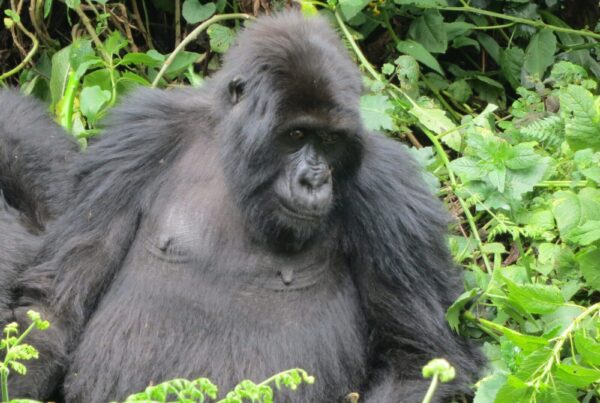
Gorilla trekking rewards physical preparation. The fitter you are, the more you’ll enjoy every aspect of the experience: the hike through beautiful forest, the anticipation as trackers radio your guide, and the profound moment when you first see a mountain gorilla. Fitness doesn’t just make the trek easier; it frees your mind to be fully present for one of life’s most extraordinary encounters.
Start training at least 8 weeks before your trip, focus on hiking-specific conditioning, and arrive in Uganda rested and confident. The silverbacks of Bwindi have been waiting for millions of years. Make sure your body is ready to meet them.
- Gorilla Trekking Fitness Training: How to Prepare Your Body
- How to Prepare for a Gorilla Trek Physically: Complete Fitness Guide
- Gorilla Trekking Fitness: How to Prepare Physically for Bwindi
- Wildlife Safaris: What to See, Expect, Prepare & Plan — Plus Where to Go in Africa
- How to Prepare Mentally for Gorilla Trekking
- Gorilla Trekking Fitness Requirements: How Fit Do You Need to Be?
- How to Emotionally Prepare for Meeting Gorillas in the Wild
- How Gorillas Communicate: Sounds, Gestures and Body Language
- The Moment a Silverback Looked Me in the Eye: Nothing Prepared Me for This
- What a Gorilla Smells Like Up Close: Nobody Talks About This