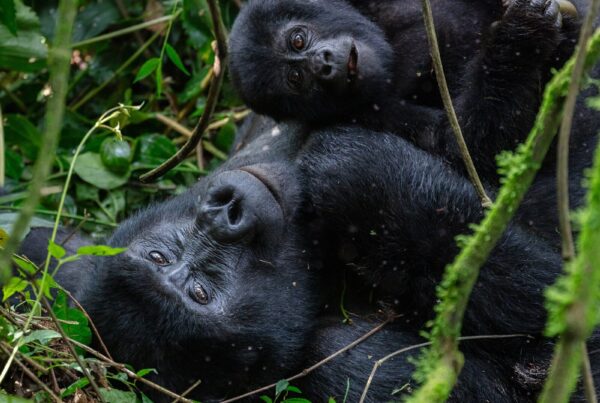
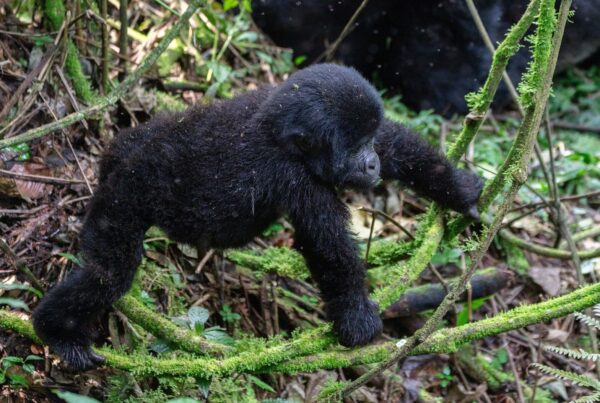
Uganda is the only country in the world where you can combine mountain gorilla trekking with one of Africa’s most productive birding circuits in a single safari — and the combination costs little more than a gorilla-only trip because the birds are everywhere the gorillas are. Bwindi Impenetrable National Park alone holds over 350 bird species including 23 Albertine Rift endemics found nowhere else on the continent. Plan it alongside the Bwindi trekking guide and browse combined safari packages for itinerary options.
- Total Uganda bird species: over 1,060 recorded (highest density per km² in Africa)
- Birds in Bwindi: 350+ species including 23 Albertine Rift endemics
- Key birding sites: Bwindi, Kibale, Queen Elizabeth NP, Murchison Falls, Lake Mburo
- Combined trip length: 7–14 days covers gorilla trekking + top birding circuits
- Extra permit needed: no — birding happens before/after gorilla trek at the same lodges
Uganda has earned its reputation as the Pearl of Africa not only through its mountain gorillas but through the astonishing diversity of its birdlife. With over 1,000 recorded bird species — more than the entirety of North America or Europe — Uganda offers world-class birding alongside its primate encounters. The southwestern Uganda circuit, which takes in Bwindi Impenetrable National Park, the Virungas, and Queen Elizabeth National Park, is rich in both gorillas and birds. For wildlife enthusiasts, combining gorilla trekking with structured birdwatching creates one of Africa’s most complete safari experiences.
Why Uganda is an Elite Birding Destination
Uganda sits at a biogeographical crossroads where species from Central Africa’s Congo Basin rainforest, East Africa’s savanna systems, and the mountains of the Albertine Rift converge. This ecological intersection creates extraordinary bird diversity. The Albertine Rift — the mountain chain running from Uganda through Rwanda, Burundi, and into the DRC — is one of Africa’s most important bird endemic zones, with dozens of species found nowhere else on earth. Uganda holds more Albertine Rift endemics than any other single country. For serious birders, Uganda’s combination of forest, wetland, savanna, and montane habitats creates a checklist opportunity that can exceed 600 species in a well-planned 14-day trip.
Birding in Bwindi Impenetrable National Park
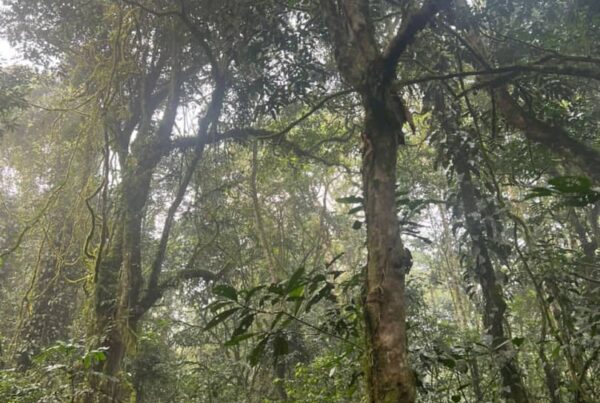
Bwindi is one of Uganda’s premier birding sites and holds 23 of the 36 Albertine Rift endemic bird species. The park’s complex mosaic of forest types — from lowland mixed forest to mid-altitude montane forest to high-altitude Afromontane — supports different bird communities at different elevations. Over 350 bird species have been recorded in Bwindi, with new species occasionally added by visiting ornithologists. The park offers exceptional birding opportunities before and after gorilla treks, on dedicated forest birding walks, and along park access roads where forest edge species are particularly accessible.
Bwindi’s Most Sought-After Bird Species
The African Green Broadbill is arguably Bwindi’s most celebrated bird — a tiny, jewel-like species of forest interior with a restricted range in the Albertine Rift and one of the most sought-after species by visiting birders. The Grauer’s Swamp Warbler haunts papyrus edges. The handsome Shelley’s Crimsonwing and Dusky Crimsonwing feed on forest floor vegetation. Rarer sightings include the Albertine Owlet, Short-tailed Warbler, and Fiery-breasted Bush-Shrike. The Bwindi Warbler was only formally described as a species in 2001 and is considered one of the park’s signature endemic birds. Raptors including the African Crowned Eagle, Mountain Buzzard, and Cassin’s Hawk-Eagle soar over the canopy. Early morning forest walks with a specialist guide provide the best conditions for locating many of these species.
Birding at Ruhija
Ruhija in eastern Bwindi is particularly celebrated for birds. At 2,335 metres, the high-altitude forest at Ruhija supports species that are rare at lower elevations. The area around the sector headquarters and the access road from Kabale through Muko are among Uganda’s finest birding routes. Regular sightings include the Handsome Francolin, Stripe-breasted Tit, Rwenzori Turaco, Mountain Illadopsis, and the stunning Rwenzori Double-collared Sunbird. Birders with experience in high-altitude African forests consistently rate Ruhija among the best single birding locations they have visited anywhere on the continent.
Birding in the Virungas: Mgahinga and the Surrounding Area
Mgahinga Gorilla National Park and the surrounding Virunga landscape support different bird communities than Bwindi, reflecting the volcanic soils, higher elevations, and different forest composition. The Rwenzori Turaco and Rwenzori Nightjar occur around Mgahinga, and the open volcanic slopes support species adapted to high-altitude grassland and shrubland. The Kisoro area at lower elevations includes wetlands that attract waterbirds including the globally threatened Grauer’s Rush Warbler. The combination of gorilla trekking at Mgahinga with morning birding around Kisoro creates an excellent two or three-day program for wildlife enthusiasts.
Birding in Queen Elizabeth National Park
Queen Elizabeth National Park, typically visited as part of a western Uganda gorilla trekking circuit, is one of Uganda’s top birding destinations outside of the forest parks. Over 600 bird species have been recorded in the park, including the extraordinary African Skimmer, Shoebill (at Mweya and in the Maramagambo Forest area), and vast congregations of waterbirds along the Kazinga Channel. The channel boat cruise, already excellent for mammals (hippos, buffalo, and elephants are regularly seen), provides spectacular birding from the water. Pink-backed Pelicans, Goliath Herons, African Fish Eagles, Pied and Malachite Kingfishers, and Yellow-billed Storks line the banks. The Mweya Peninsula is one of the most diverse single birding spots in Uganda for accessible species diversity.
Birding in Kibale Forest
Kibale Forest National Park near Fort Portal, primarily known for chimpanzee trekking, is also outstanding for forest birds. The park holds approximately 375 species including the rare and localised Green-breasted Pitta, which visits seasonally from its Central African breeding grounds. Kibale’s forest also supports excellent populations of African Pitta, Blue-headed Sunbird, Purple-breasted Sunbird, and various hornbill species. The Bigodi Wetland Sanctuary adjacent to Kibale is a community-managed birding area that is excellent for papyrus species including the Papyrus Gonolek and White-winged Warbler. Bigodi offers an accessible and affordable birding experience that combines naturally with a Kibale chimpanzee trek.
Lake Mburo National Park: Birding on the Way
Lake Mburo National Park, approximately halfway between Kampala and southwestern Uganda on the main road to Bwindi, is a worthwhile overnight stop for birders. The park’s combination of acacia woodland, open grassland, and lake edges supports species from both savanna and forest zones. The African Finfoot — a secretive waterbird — can be reliably seen at Miriti Bay. The park also hosts Uganda’s only population of zebra, impala, and eland, adding mammal diversity to the birding. A morning birding walk at Lake Mburo before continuing to Bwindi is a popular itinerary addition for serious birders.
Planning a Gorilla Trekking and Birding Itinerary
Combining gorilla trekking with serious birding requires careful itinerary planning. The core challenge is time allocation — gorilla trekking fills mornings with the park briefing and trek, leaving afternoons for birding. Many serious birders add dedicated half-day or full-day birding sessions either before or after their gorilla trek day, allowing them to cover the most important birding sites without compromising their gorilla experience. A well-planned 14-day itinerary might include two days birding in Kibale, two days in Queen Elizabeth (game drive and channel boat cruise), three days at Bwindi (gorilla trek plus two birding mornings), one day at Mgahinga, and travel days. Hiring a specialised bird guide for key sites significantly improves encounter rates for difficult species.
Specialist Birding Guides in Uganda
Uganda has a community of exceptionally knowledgeable resident bird guides who combine intimate habitat knowledge with years of experience finding difficult species. Local guides at Bwindi’s Ruhija sector have decades of experience locating montane forest endemics and can find species that visiting birders would almost certainly miss independently. Uganda Wildlife Authority also employs birding rangers at major parks. Tour operators specialising in Uganda birding can arrange dedicated birding vehicles, expert local guides, and itineraries optimised for maximising species counts. For visiting birders, engaging specialist local guiding is the single most effective investment in a Uganda birding trip.
Birding Equipment for Uganda
Birding in Uganda’s forests requires binoculars with good low-light performance since the forest canopy reduces light significantly. A 8×42 or 10×42 configuration provides a good balance of magnification and light gathering for forest birding. A field guide to the birds of East Africa or the more specialised Birds of the Albertine Rift is essential. Sound identification is crucial for many forest species — a smartphone app with East African bird calls supplemented by a good portable speaker allows playback of calls to attract elusive species. Photography in forest conditions requires a lens with image stabilisation and good high-ISO performance. A spotting scope adds value for open-country species at Queen Elizabeth but is unnecessary for forest work where dense vegetation limits long-distance viewing.
Can I combine gorilla trekking and birdwatching in a single Uganda safari?
Yes, and it is one of the most efficient wildlife combinations in Africa. The lodges near Bwindi where you stay for gorilla trekking are surrounded by some of the best Albertine Rift birding on the continent. Many visitors add one or two birding walks to their gorilla trekking days without extending their trip length or significantly increasing their budget.
What are the best birds to look for in Bwindi?
Bwindi’s Albertine Rift endemics include the African green broadbill, Shelley’s crimsonwing, Grauer’s rush warbler, and the Handsome francolin. The African crowned eagle is regularly seen along forest trails. A dedicated birding walk before the gorilla trek briefing can add 20–40 species to a list in a single morning with a knowledgeable local guide.
Does birdwatching require a separate permit in Uganda national parks?
No. Birding in Uganda’s national parks requires only the standard park entry fee, not a separate permit. Gorilla trekking permits are the only activity-specific permit in Bwindi. Birding can take place on lodge grounds, forest edges, and designated nature trails without prior booking beyond park entry.
What is the best time of year to combine gorilla trekking and birdwatching?
The long rains (March–May) are the most difficult period for both activities due to slippery trails and overcast skies that reduce photography quality. The best combination window is June–September (dry season with active bird display) or December–January (short dry season). November and February also produce good birding conditions with more permit availability.
How many bird species has Uganda recorded in total?
Uganda has recorded over 1,060 bird species — one of the highest national totals in Africa relative to land area. This density reflects the country’s position at the intersection of East African savannah, Central African rainforest, and the Albertine Rift montane zone, creating overlapping habitat types across a compact geography that no other country in the region replicates.
- Why Gorilla Trekking in Uganda Is Africa’s Most Unforgettable Wildlife Adventure
- What a 3-Day Uganda Wildlife and Cycling Safari Did to My Family Was Beyond Anything We Expected
- Wildlife in Uganda – Where Nature Still Roars, Hums, and Soars Free
- Why a 2-Day Uganda Wildlife and Cycling Safari Is the Perfect Business Break
- Why Would My Soul Long for a 9-Day Uganda Gorilla Trekking and Wildlife Safari?
- Murchison Falls Uganda Wildlife Safari — 4-Days: Where the Nile Breaks and the Wild Roars
- Wildlife Safaris: What to See, Expect, Prepare & Plan — Plus Where to Go in Africa
- Safaris That Offer Unique Wildlife Experiences in Uganda: Beyond the Ordinary
- Ajai Wildlife Reserve
- Bokora Corridor Wildlife Reserve