Cyber Monday — the Monday following Black Friday — has become a significant online shopping day in many markets, with travel deals among the most popular offers. For gorilla trekking in Uganda, Cyber Monday is an opportunity to research, compare, and book the 2027 trip that you have been considering but not yet committed to. This guide explains what genuine Cyber Monday deals look like in the context of gorilla trekking, and what to watch out for.
What Can Legitimately Be Discounted
The gorilla trekking permit costs $800 USD for international visitors in 2027. This is a fixed price set by the Uganda Wildlife Authority and cannot be reduced by tour operators — any operator advertising a “discounted gorilla permit” at below $800 is either misrepresenting the deal or has factored the “discount” into a higher base price elsewhere in the package. Legitimate Cyber Monday deals in the gorilla trekking sector apply to accommodation, transfers, additional activities, or the operator’s own service fees — not to the permit itself.
Complimentary lodge nights, free airport transfers, included meals upgrades, or reduced guide fees are all legitimate forms of package value that operators can offer in a Cyber Monday promotion. These can represent meaningful savings on a full gorilla trekking package where the accommodation component alone can cost several hundred dollars per night at quality Bwindi lodges.
The Real Cyber Monday Value
The most significant benefit of engaging with gorilla trekking offers in the Cyber Monday period is not a financial discount. It is the commitment to booking. Visitors who research, compare, and commit in November are well-positioned to secure permits for their preferred dates in 2027 before the peak demand period in January-March fills them. The Cyber Monday framing is useful as a prompt to act on a decision that many travellers have been delaying. Contact us to discuss current offers and to check permit availability for your preferred 2027 dates.
Frequently Asked Questions
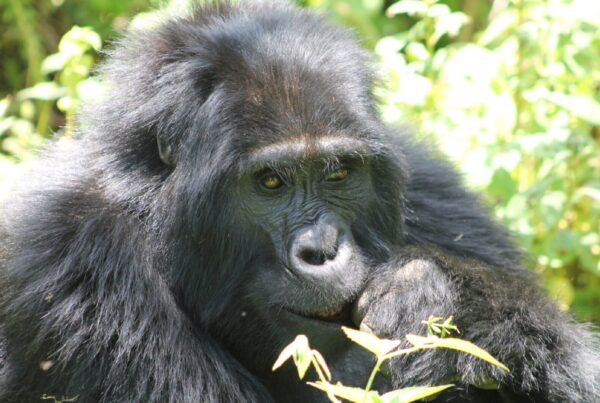
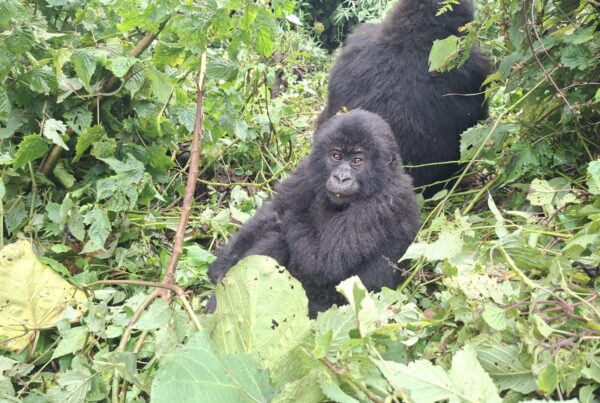
Uganda is home to the mountain gorilla (Gorilla beringei beringei), one of two subspecies of eastern gorilla. They live exclusively in the Virunga volcanic highlands (Uganda/Rwanda/DRC) and Bwindi Impenetrable Forest (Uganda only). Mountain gorillas are the only gorilla subspecies that cannot survive in captivity — every individual you can trek is a wild animal.
The standard gorilla trekking permit gives you exactly 1 hour with the gorilla family. This time begins when you make first contact with the family — the ranger signals the start. The Gorilla Habituation Experience gives 4 hours with a semi-wild family. The walk to find the gorillas can take 30 minutes to 5 hours depending on where the family has moved.
Stay calm, crouch down slowly, avoid direct eye contact, and remain quiet. Do not run — running triggers a chase response. Rangers accompanying your group manage close approaches. Habituated gorillas are accustomed to humans and almost never make contact, but a charging silverback is managed by staying still and following ranger instructions immediately.
A maximum of 8 visitors per habituated gorilla family per day for standard trekking. The Gorilla Habituation Experience has a maximum of 4 visitors per family per day. These limits are set by UWA to minimise stress on the gorilla families and maintain the quality of the experience.
Uganda is home to the mountain gorilla (Gorilla beringei beringei), one of two subspecies of eastern gorilla. They live exclusively in the Virunga volcanic highlands (Uganda/Rwanda/DRC) and Bwindi Impenetrable Forest (Uganda only). Mountain gorillas are the only gorilla subspecies that cannot survive in captivity — every individual you can trek is a wild animal.