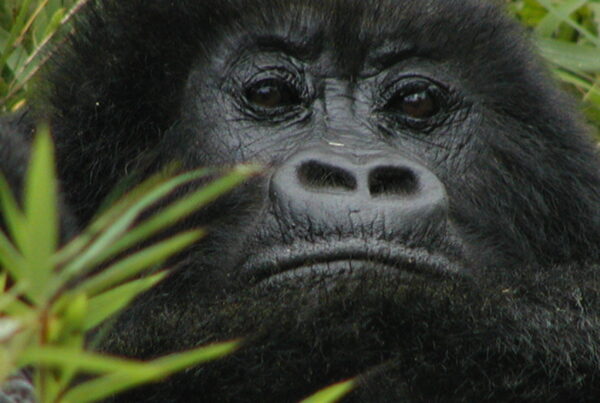
Easter 2027 falls in late March, with the Good Friday and Easter Monday public holidays creating a four-day weekend in many countries. For travellers who can take a day’s leave before or after the bank holidays, the Easter break extends to five or six days — enough time for a compressed but complete gorilla trekking trip from Europe, North America, or the Middle East. March falls in Uganda’s long rainy season, which means wetter conditions in Bwindi, but the Easter window has enough appeal — the combination of the long weekend, the religious and symbolic resonance of the period, and the specific character of Bwindi in the rains — to make it a compelling option for the right traveller.
March in Bwindi
March is the beginning of Uganda’s long rains. The forest is lush and green, the air is fresh, and the morning trek windows are often clear before afternoon showers arrive. Trail conditions are wetter and muddier than the dry season, and waterproof boots and rain gear are essential. The gorillas are fully active and accessible — they do not retreat from rain any more than we might from mild discomfort — and the forest in the rains has an atmospheric quality that appeals to experienced trekkers who have seen it in the dry season and want something different.
The Four-Day Itinerary
A four-day Easter gorilla trekking itinerary from Europe works as follows: fly on Thursday evening, arrive Entebbe Friday morning, transfer by charter to Bwindi Friday, trek Saturday morning, rest Sunday, fly home Monday. This is the minimum viable itinerary — it works but is tight. Adding a day (flying Wednesday evening) gives a more relaxed pace and allows for a forest walk on Sunday rather than pure rest. The gorilla permit costs $800 USD for international visitors in 2027. Contact us to check Easter 2027 permit availability and to plan the compressed itinerary that fits your bank holiday dates.
Frequently Asked Questions
Rough ranges per person (including international flights): Budget: $1,500–$2,500 (economy flight, basic lodge, group tour). Mid-range: $2,800–$4,500 (comfortable lodges, small group or private tour). Luxury: $6,000–$15,000+ (private guide, charter flights, high-end lodges). The $800 permit is a fixed cost for everyone regardless of budget.
The permit covers only the 1-hour gorilla tracking. Budget separately for: Bwindi park entry fee ($40/day), porter hire ($15–$20 per trek — strongly recommended), ranger/tracker tip ($20–$30 per person), accommodation, ground transfers, and international flights. Most tour operators bundle these except the tip.
The only official discount is the low season rate: $600 FNR during April, May, and November (vs. $800 standard). EAC foreign residents pay $700 year-round ($500 low season). There are no group discounts, early-booking discounts, or operator-negotiated rates — the permit price is fixed by Uganda Wildlife Authority.
The permit itself costs the same either way. Booking through a licensed tour operator adds their service fee but simplifies the logistics significantly — permit transfer, sector assignment, accommodation at the right sector, early morning transfers, and post-trek arrangements are all managed for you. Self-arranged gorilla trekking is possible but requires careful coordination.
Uganda is home to the mountain gorilla (Gorilla beringei beringei), one of two subspecies of eastern gorilla. They live exclusively in the Virunga volcanic highlands (Uganda/Rwanda/DRC) and Bwindi Impenetrable Forest (Uganda only). Mountain gorillas are the only gorilla subspecies that cannot survive in captivity — every individual you can trek is a wild animal.