Mountain gorilla population 1080 milestone — what it means and how it was achieved
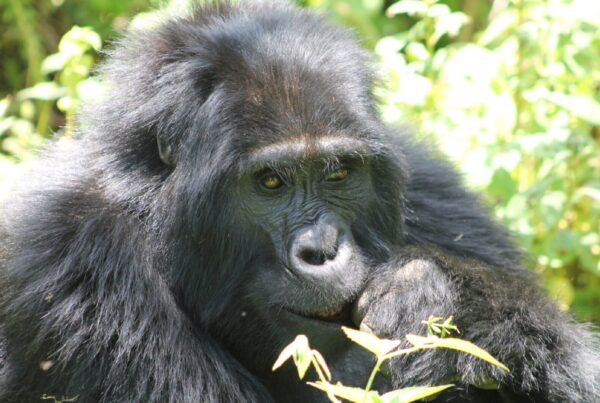
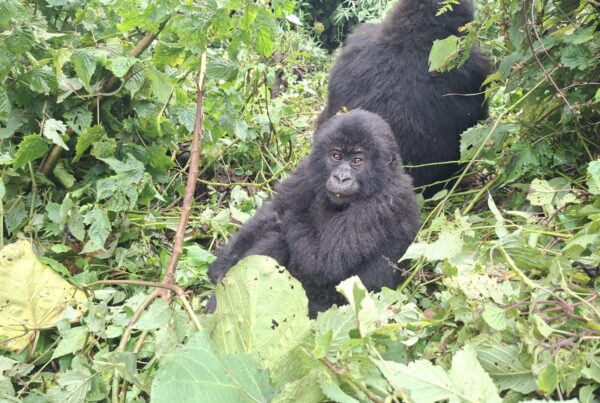
The mountain gorilla population reaching 1,080 individuals for the first time represents a conservation milestone that would have seemed almost impossibly optimistic to the researchers who, in 1981, counted fewer than 250 individuals in the wild and concluded that the species was on the brink of extinction. The figure — confirmed by the most recent combined census of the Bwindi and Virunga populations — represents the culmination of over four decades of sustained conservation investment across three countries, and stands as one of the clearest proofs in modern conservation history that the combination of protected areas management, community engagement, and wildlife tourism revenue can reverse the trajectory of a critically endangered species.
The census methodology: how we know the number is accurate
Mountain gorilla populations cannot be counted as easily as, for example, large savannah animals that are visible from the air. The forest habitat is dense, the gorillas are not all habituated to human presence, and the three-country range adds coordination complexity to what would already be a challenging survey. The census methodology combines direct counts of habituated individuals — known precisely through daily ranger monitoring — with indirect evidence-based estimation for non-habituated populations: nest counts, track surveys, and acoustic monitoring. The combined approach produces a figure that conservation managers treat as a minimum estimate, acknowledging that some individuals in remote areas may not be captured in any given census period.
The three-country coordination
The most recent combined census was coordinated between Uganda Wildlife Authority, the Rwanda Development Board’s conservation department, and the Institut Congolais pour la Conservation de la Nature, with technical support from the International Gorilla Conservation Programme and the Wildlife Conservation Society. The three-country coordination required to produce a combined census figure for both the Bwindi and Virunga populations is one of the most complex elements of mountain gorilla conservation management, and the fact that it has been maintained consistently through decades of regional political and security challenges is itself a significant achievement.
What drove the population to 1,080
The population growth that produced the 1,080 figure reflects the cumulative effect of the same factors that drove the earlier milestones: anti-poaching operations, veterinary intervention for injured animals, habitat protection, and the community development programmes that give local people economic reasons to support rather than undermine gorilla conservation. But the current milestone also reflects a more recent factor: the maturation of the gorilla trekking tourism industry into a sustainable, high-revenue economic system that generates the conservation funding required to maintain and expand all of the other protective mechanisms simultaneously.
The fragility behind the number
Conservation managers working on the 1,080 figure are careful to contextualise it. The mountain gorilla remains Endangered on the IUCN Red List, and 1,080 individuals across two isolated populations in a politically complex region represents a recovery rather than a secure future. Any significant disease outbreak — gorillas are highly susceptible to human respiratory diseases — could cause rapid and severe population decline. Political instability in any of the three range countries could disrupt the ranger operations and community programmes that are the foundation of the conservation system. And climate change is already altering vegetation patterns in the high-altitude forest habitat, with uncertain long-term implications for the gorillas’ food sources. The milestone is real and worth celebrating. The work that protects it must continue.
What visitors can do
For prospective gorilla trekking visitors, the population milestone is both inspiration and invitation. Every permit purchased is a direct contribution to the conservation system that produced this number, and every visit creates the kind of personal commitment to gorilla conservation that translates into the ongoing political and financial support that the species’ long-term future requires. Contact our team to arrange your gorilla trekking permit and contribute directly to the conservation success that the 1,080 figure represents.
Frequently Asked Questions
The global mountain gorilla population is approximately 1,100 individuals — one of the smallest populations of any great ape. They exist in two separate populations: one in the Virunga Massif spanning Uganda, Rwanda, and DRC; and one in Bwindi Impenetrable Forest (Uganda only). The population has grown from approximately 620 in the 1980s, largely due to tourism-funded conservation.
Uganda Wildlife Authority directs 20% of every gorilla permit fee to communities adjacent to Bwindi and Mgahinga. These funds pay for school construction, healthcare programmes, borehole maintenance, and community microfinance. Permit revenue also funds ranger salaries, anti-poaching patrols, and the research teams that monitor gorilla health daily.
The Batwa (also called Twa) are an indigenous forest people who lived inside Bwindi for thousands of years until it was gazetted as a national park in 1991. Conservation displaced them from their ancestral forest. Gorilla tourism revenue now funds Batwa cultural programmes and livelihoods. The Batwa Cultural Trail at Buhoma sector is run by the Batwa community and is one of the most authentic cultural experiences near Bwindi.
Mountain gorillas are classified as Endangered on the IUCN Red List — one step down from Critically Endangered, which they held until 2018. Their population has grown consistently since the 1980s, making them one of the few great ape populations increasing in number. This recovery is directly attributed to the conservation funding generated by gorilla tourism.
Uganda is home to the mountain gorilla (Gorilla beringei beringei), one of two subspecies of eastern gorilla. They live exclusively in the Virunga volcanic highlands (Uganda/Rwanda/DRC) and Bwindi Impenetrable Forest (Uganda only). Mountain gorillas are the only gorilla subspecies that cannot survive in captivity — every individual you can trek is a wild animal.