New eco-lodge Bwindi 2026 — what it offers and why its location matters
A new eco-lodge that opened inside the buffer zone adjacent to Bwindi Impenetrable Forest in 2026 has attracted significant attention from the gorilla trekking travel community for its design, location, and approach to community integration. The lodge — whose development was approved by Uganda Wildlife Authority and meets the strict environmental requirements for accommodation at this sensitive location — offers a combination of close proximity to the forest, architectural design that reflects the local landscape, and a community employment and benefit model that has been cited by conservation organisations as an example of responsible tourism development in a critical wildlife habitat.
The location and design
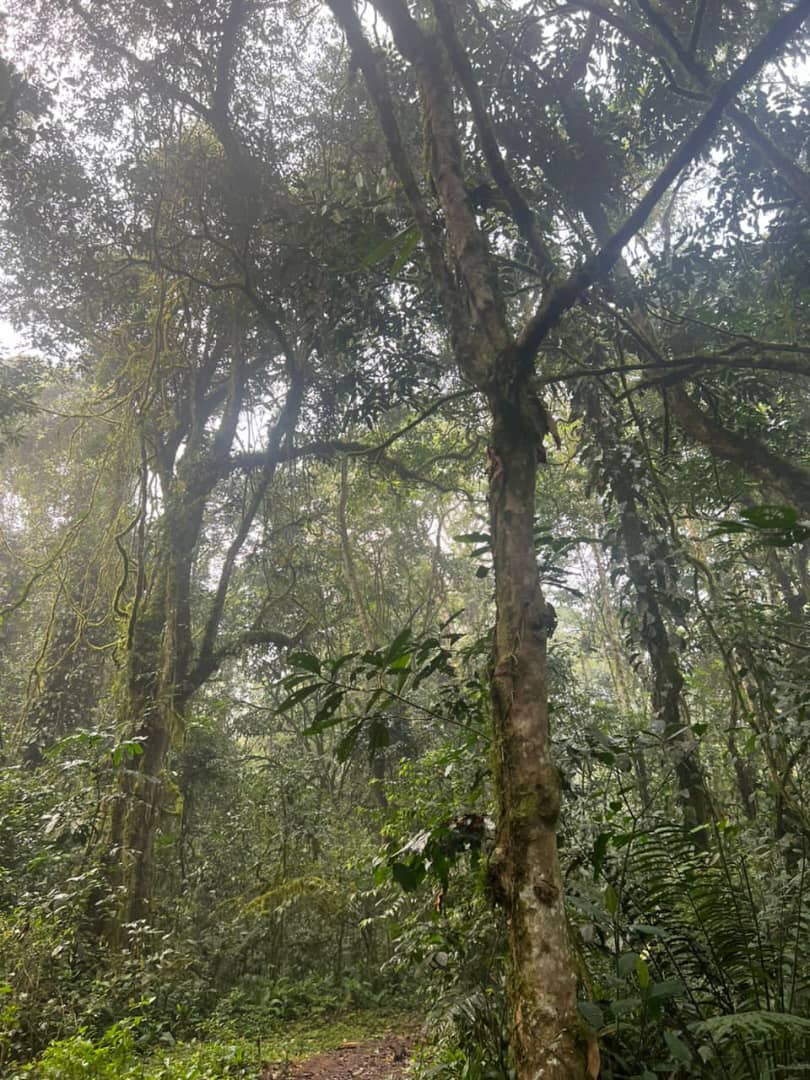
The lodge sits on the forest edge in Bwindi’s Ruhija sector, at an elevation that gives guests views across the forest canopy to the distant hills of western Uganda. The design — using local materials including timber, stone, and thatch — is deliberately low-impact in its visual relationship with the surrounding landscape. The footprint is minimised, the construction disturbed no existing vegetation within the national park boundary, and the lodge’s water and waste management systems were independently audited before opening. The architectural approach has been praised by environment and design publications as an example of how luxury accommodation can be developed in sensitive locations without the visual and environmental impact that characterises less thoughtful developments.
The forest proximity experience
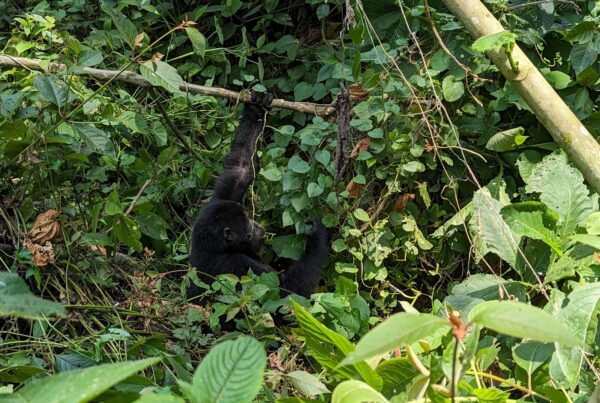
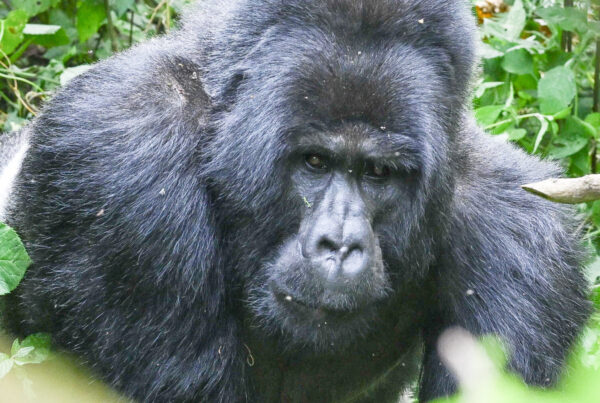
The lodge’s closest accommodation units are positioned close enough to the forest edge that guests can hear the sounds of the forest — birds, wind in the canopy, the occasional distant vocalisation of the gorilla families whose territories extend to the park boundary — from their rooms. The experience of waking at dawn to the sounds of Bwindi before walking to the park gate for the morning trek is described by early guests as one of the most distinctive aspects of the lodge’s offer, creating a quality of immersion in the gorilla habitat that lodges further from the forest edge cannot replicate.
Community employment and benefit
The lodge’s community model has been specifically designed to maximise the economic benefit to the local communities adjacent to the park. Over 80 percent of the lodge’s permanent staff are recruited from communities within a 20-kilometre radius of the property, with training provided to bring recruits to the hospitality standards required for a premium operation. Local food producers supply a proportion of the lodge’s food and drink requirements, and a community development fund — funded by a percentage of each room night’s revenue — supports education and health infrastructure in the surrounding villages. The model is not unique in Uganda’s lodge sector, but its implementation at the Ruhija location is being watched by conservation organisations as a test case for community-integrated luxury accommodation at forest edge sites.
What it offers trekking visitors
For gorilla trekking visitors choosing accommodation for a Ruhija sector trek, the new lodge offers a combination of location, quality, and conservation credentials that positions it as a premium option for visitors who want their accommodation choice to align with the conservation values of the experience they are booking. The lodge’s small size — a limited number of rooms to maintain exclusivity and minimise environmental impact — means that demand is already high and advance booking is strongly recommended for peak season dates. Contact our team for current availability and to discuss whether the Ruhija sector and the new lodge are the right fit for your gorilla trekking itinerary.
Frequently Asked Questions
Stay within your trekking sector to avoid early morning drives. Top picks by sector: Buhoma — Buhoma Lodge, Gorilla Forest Camp, Mahogany Springs. Rushaga — Gorilla Heights Lodge, Rushaga Gorilla Camp. Nkuringo — Clouds Mountain Gorilla Lodge. Ruhija — Gorilla Valley Lodge. Budget options at every sector start around $40–$80/night.
Budget guesthouses: $30–$80/night. Mid-range forest camps: $100–$250/night including meals. Luxury lodges: $300–$800+/night including full board. Note that most lodges near the trekking sectors include breakfast and dinner in their rates. The $800 gorilla permit is separate from all accommodation costs.
Yes — especially during peak season (June–September, December–February). The best lodges in each sector have between 8 and 20 rooms. They often fill 3–6 months ahead. Book accommodation at the same time you secure your gorilla permit, not afterwards.
Yes. Mount Gahinga Lodge is the closest luxury option, adjacent to the park. Mid-range options include Gahinga Lodge and Travellers Rest Hotel in Kisoro town (8km from the park gate). The Kisoro area also has basic guesthouses for budget travellers.
Uganda is home to the mountain gorilla (Gorilla beringei beringei), one of two subspecies of eastern gorilla. They live exclusively in the Virunga volcanic highlands (Uganda/Rwanda/DRC) and Bwindi Impenetrable Forest (Uganda only). Mountain gorillas are the only gorilla subspecies that cannot survive in captivity — every individual you can trek is a wild animal.