BBC Wildlife Magazine is the world’s most widely read nature publication, with a readership of passionate, informed wildlife enthusiasts who hold nature experiences to exceptional standards. When BBC Wildlife commissioned a feature on gorilla trekking Uganda, the resulting article was one of the most detailed and authoritative assessments of the Bwindi experience in print journalism. Here is what the feature covered and what it concluded.
The BBC Wildlife Approach to Gorilla Trekking
BBC Wildlife Magazine’s editorial approach to wildlife travel features is characteristically rigorous: the journalist is a specialist in wildlife conservation, visits independently without operator-arranged familiarisations (meaning their assessment is not influenced by hosted-trip hospitality), and evaluates the experience against conservation standards and wildlife observation quality rather than tourism comfort alone. The gorilla trekking Uganda feature drew on a full week in Bwindi across multiple sectors and family groups, interviews with UWA rangers, conservation researchers, and community representatives, and comparison with the broader mountain gorilla conservation literature.
What the Feature Focused On
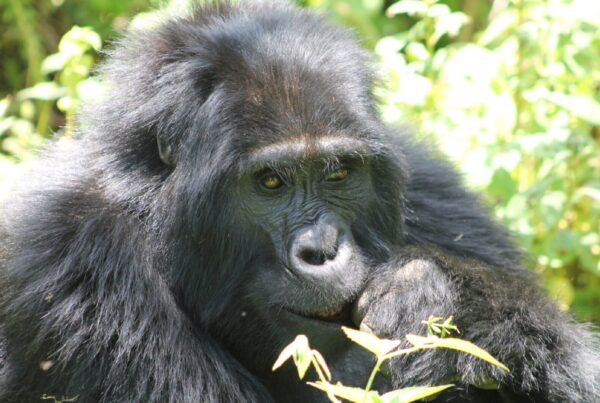
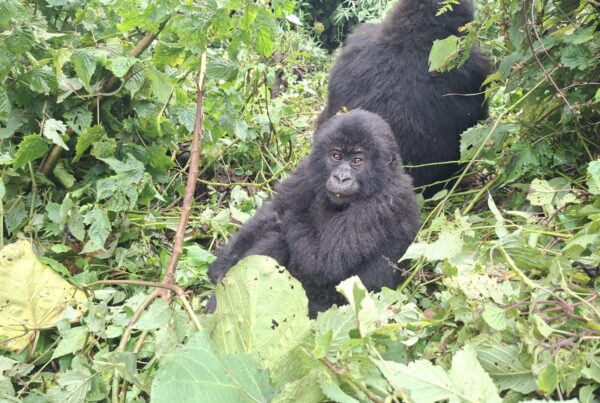
The BBC Wildlife feature gave particular attention to the conservation funding model — how permit revenue reaches rangers, anti-poaching operations, veterinary care, and community programmes — because this is the dimension BBC Wildlife readers care most about. The feature was substantive on the gorilla population recovery story: from fewer than 250 individuals in the 1980s to over 1,000 today. It described the specific role of tourism revenue in funding this recovery and the challenge of maintaining conservation funding in a species with such limited habitat and such high protection costs. The gorilla trekking experience itself was described through a detailed diary of a Bwindi Rushaga sector trek that captured the physical journey and the emotional impact of the encounter in terms consistent with the best writing on the subject.
The Feature’s Conclusions
BBC Wildlife’s feature concluded that gorilla trekking Uganda represents “the most ethically defensible form of charismatic megafauna tourism available” — a specifically calibrated endorsement from a publication that is critical of many forms of wildlife tourism. The combination of direct conservation funding, community integration, professional ranger management, and the sheer ecological rarity of the species made Bwindi gorilla trekking a model for what responsible wildlife tourism should look like. This is not a casual travel recommendation — it is the considered verdict of one of the world’s most authoritative wildlife publications after thorough independent investigation. Contact us to book your 2027 gorilla trekking Uganda experience.
Frequently Asked Questions
Kibale Forest National Park, near Fort Portal, has the highest density of chimpanzees in Africa and is Uganda’s premier chimpanzee destination. The standard chimp trekking permit costs $300 FNR. The Chimpanzee Habituation Experience at Kibale ($400 FNR) gives 4 hours with a habituated community — Uganda’s only chimp habituation programme.
Yes — the gorilla + chimp combination is Uganda’s most popular primate itinerary. A typical 8-day route: Entebbe → Kibale Forest (2 nights, chimp trekking) → Queen Elizabeth National Park (2 nights, game drives) → Bwindi (2 nights, gorilla trekking) → Entebbe. Charter flights on any leg reduce travel time significantly.
Uganda has 13 primate species. Commonly seen: olive baboon, vervet monkey, red-tailed monkey, black-and-white colobus, L’Hoest’s monkey, grey-cheeked mangabey. Golden monkeys are found at Mgahinga. Kibale Forest has the highest primate diversity of any East African forest. A dedicated primate safari can tick 7–8 species in a single itinerary.
Uganda has over 1,060 recorded bird species — one of the highest counts of any country in Africa. Bwindi alone has 350+ species including 23 Albertine Rift endemics. Murchison Falls, Queen Elizabeth, and the wetlands around Entebbe round out a world-class birding circuit. The African green broadbill and Shelley’s crimsonwing are Bwindi specialities.
Uganda is home to the mountain gorilla (Gorilla beringei beringei), one of two subspecies of eastern gorilla. They live exclusively in the Virunga volcanic highlands (Uganda/Rwanda/DRC) and Bwindi Impenetrable Forest (Uganda only). Mountain gorillas are the only gorilla subspecies that cannot survive in captivity — every individual you can trek is a wild animal.