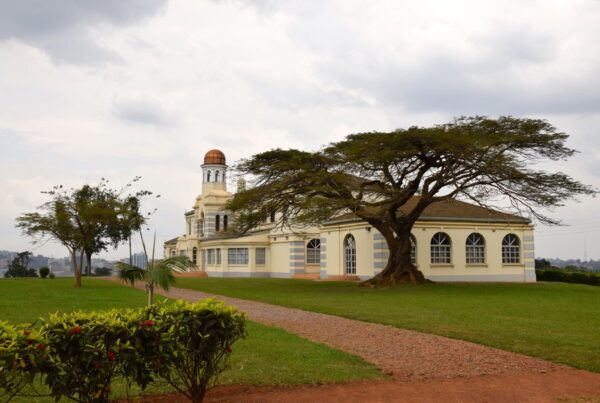
The Kasubi Tombs (sometimes misspelled “Kisubi”) on Kasubi hill in Kampala are the burial place of four kings, or Kabakas, of the Buganda kingdom: Mutesa I, Mwanga II, Daudi Chwa II and Sir Edward Mutesa II. The great thatched building at their heart, Muzibu Azaala Mpanga, is one of the finest examples of traditional Ganda architecture, and the site has been a UNESCO World Heritage Site since 2001. It was badly damaged by fire in 2010 and has since been rebuilt using traditional skills and materials. Visitors can tour the site with a guide.
History and meaning
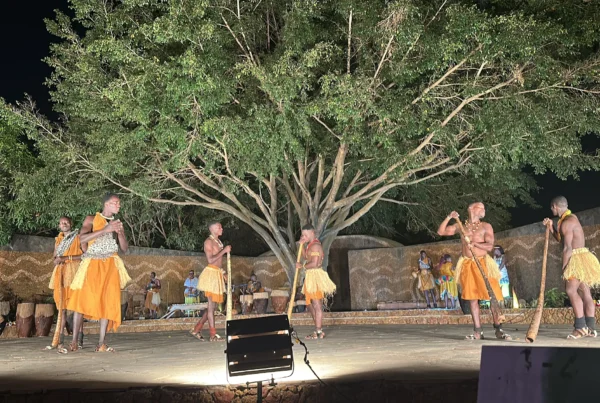
Buganda is the largest of Uganda’s traditional kingdoms, and its Kabakas have long been central to the identity of the Baganda people. Kasubi was the palace of Kabaka Mutesa I, who was buried there in 1884, and it became the royal burial ground for his successors. The tombs remain an active religious and cultural place: members of the royal family, clan representatives and caretakers maintain it, and ceremonies are held there. For the Baganda, it is a place where the spirits of past kings are honoured, not simply a museum.
The buildings
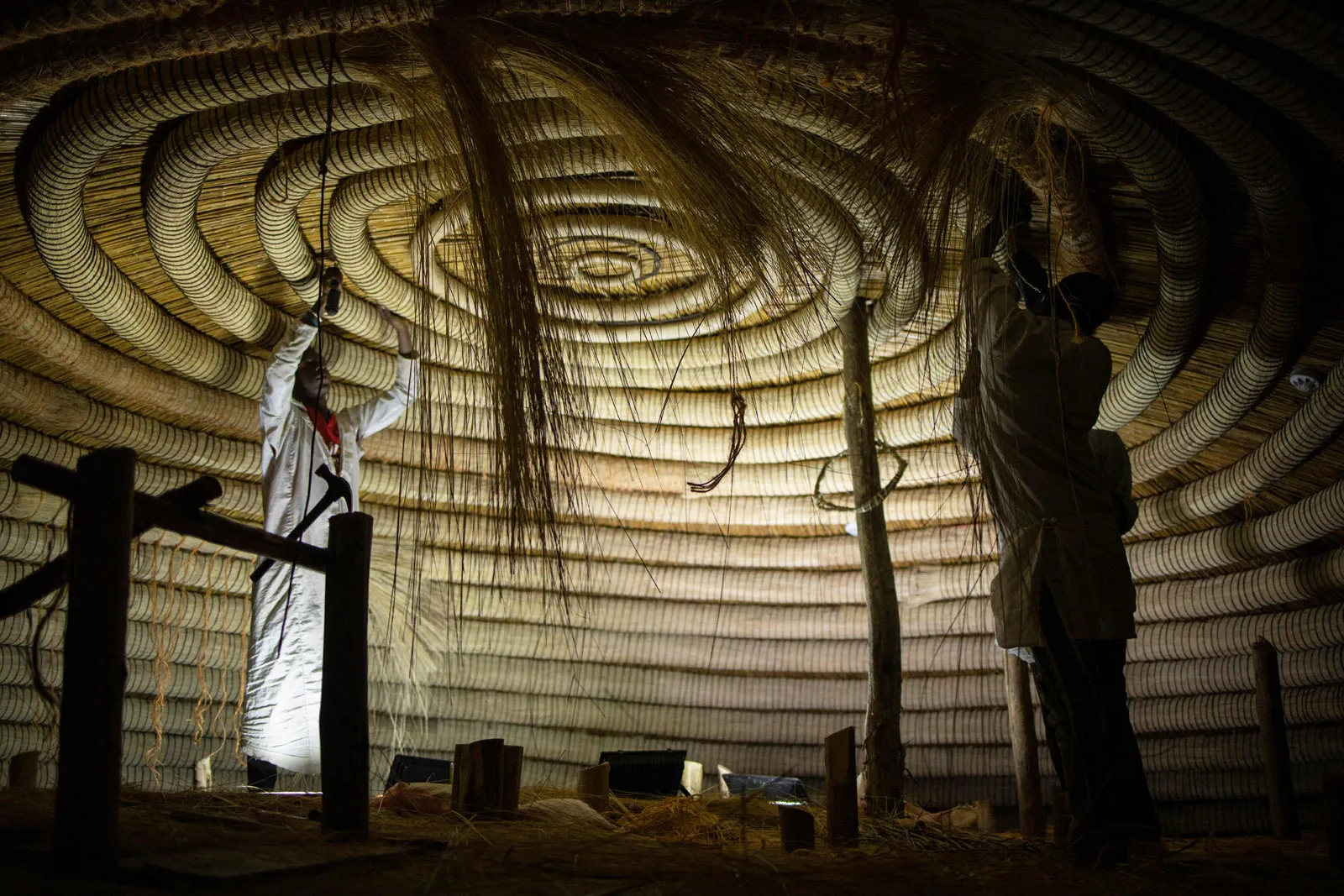
Muzibu Azaala Mpanga is a huge round building with a thatched roof that reaches almost to the ground, built from wooden poles, reeds, bark cloth and grass. Inside, the tombs are hidden behind a bark-cloth curtain that leads to a “sacred forest” where only certain people may enter.
Around the main courtyard are smaller houses for the drum keepers, caretakers and widows of the kings. In March 2010, the main building was destroyed by fire, and UNESCO placed the site on its list of World Heritage in Danger. It was rebuilt by craftsmen of the relevant Ganda clans using traditional techniques, and in 2023 UNESCO removed it from the danger list.
Visiting
Kasubi is about 5 km from central Kampala and easy to reach by car or ride-hailing app; allow an hour or two for a guided tour. An entrance fee is charged, which includes a guide. Dress modestly: women may be asked to wear a long wrap over trousers, and visitors remove their shoes before entering the main building.
Photography rules vary, so ask your guide. Combine the visit with other Buganda sites, such as the Lubiri (Mengo Palace) and the Bulange parliament building, or with the Uganda Museum. See our guide to Ugandan greetings and etiquette.
Fitting it into a safari
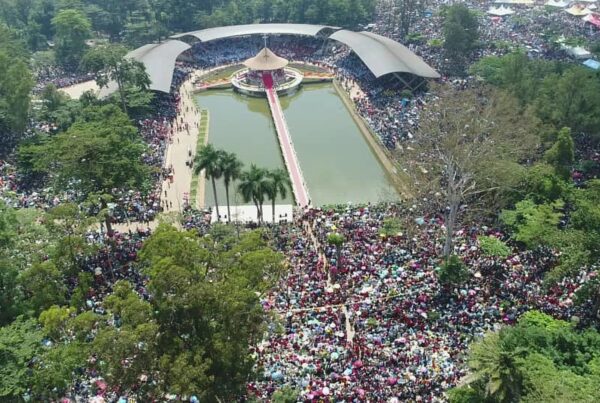
Kampala is a good place for a cultural half day at the start or end of a gorilla safari. Allow for traffic; see our Kampala traffic guide. Many visitors combine Kasubi with Namugongo, the shrines of the Uganda Martyrs, whose story is closely linked to the reign of Mwanga II, buried at Kasubi; read about Martyrs Day. For the full trip, see our 12-day safari itinerary.
Frequently asked questions
Four Kabakas of Buganda: Mutesa I, Mwanga II, Daudi Chwa II and Sir Edward Mutesa II.
Kasubi, on Kasubi hill in Kampala. Kisubi is a different place on the Entebbe road.
Yes, with a guide, for an entrance fee. Dress modestly and remove shoes in the main building.
The main building burned down. It was rebuilt with traditional methods and removed from UNESCO’s danger list in 2023.
The Kasubi Tombs site is also an active royal burial site used by the Buganda Kingdom — the Kabaka’s court continues to conduct ceremonies at the site that are closed to casual visitors but visible from the designated viewing areas during major cultural festivals. The tombs’ UNESCO status reflects the thatched-roof architecture’s significance as a living tradition — the buildings are maintained using traditional construction methods and materials, and their periodic reconstruction after damage (the site was partially destroyed by fire in 2010 and subsequently restored) demonstrates the continuity of the craft traditions that created them. Visiting the Kasubi Tombs before proceeding to Bwindi provides historical and cultural context that deepens the understanding of the Buganda Kingdom’s relationship to the southwestern Uganda highlands that surround the gorilla trekking area.
The Kasubi Tombs’ reconstruction following the 2010 fire — which destroyed the main thatched building — has been a UNESCO-supported process that prioritises the use of traditional building techniques and locally sourced materials in keeping with the site’s status as a World Heritage property. The rebuilt main building uses the same reed and grass construction methods that the original employed, with community craftspeople trained in the traditional skills as part of the restoration programme. Visiting the Kasubi Tombs after the reconstruction allows visitors to engage with the site as a living cultural institution rather than a static historical monument.