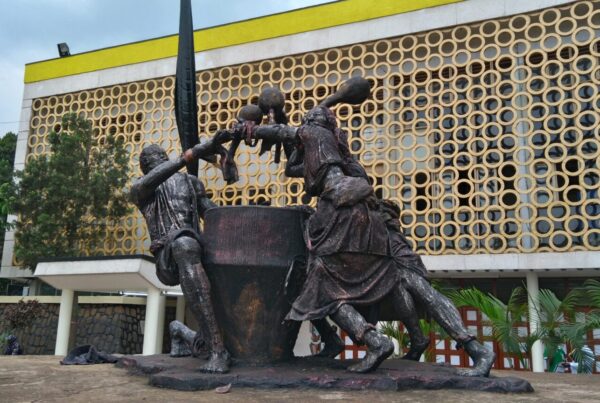
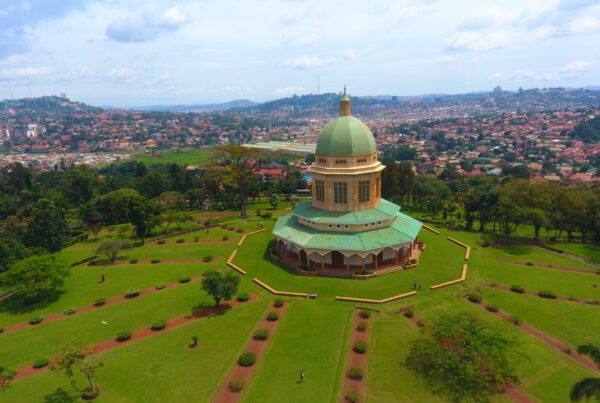
Namugongo Martyrs’ Shrine, 15 km northeast of Kampala’s city centre, is Uganda’s most significant religious pilgrimage destination and one of sub-Saharan Africa’s most attended annual religious gatherings — on June 3 each year (Uganda Martyrs’ Day, a public holiday), over 3 million Catholic and Anglican pilgrims from across Africa arrive on foot from distances of hundreds of kilometres to mark the 1886 execution of 22 young Ugandan converts, men and boys of the Buganda royal household who chose death over renunciation of their Christian faith under the order of Kabaka Mwanga II. The shrine complex contains two separate structures — the Catholic basilica (opened 1975, seat of the canonisation pilgrimage) and the Anglican shrine church — that acknowledge the martyrdom of both Catholic and Anglican converts, who were burned together on the same pyre at Namugongo. For Uganda safari visitors using Entebbe or Kampala as their arrival gateway before heading west to Kibale, Queen Elizabeth, or Bwindi, Namugongo makes a half-morning visit that adds historical and cultural depth to the Uganda trip beyond the wildlife focus — it is 25–35 minutes from Entebbe Airport and directly en route from the airport toward Kampala city.
Namugongo Martyrs’ Shrine: Visitor Facts
- Location: Namugongo, 15 km northeast of Kampala — 25–35 minutes from Entebbe Airport
- Two separate shrine sites: Catholic Basilica of the Uganda Martyrs and Anglican Shrine of the Uganda Martyrs
- Annual pilgrimage: June 3 (Uganda Martyrs’ Day, public holiday) — 3+ million pilgrims in attendance
- Historical event: Execution of 22 Ugandan converts (Catholic and Anglican) by Kabaka Mwanga II in 1885–86
- UNESCO designation: The Uganda Martyrs’ sites form part of Uganda’s cultural heritage listing
- Visiting hours: Open daily to visitors outside pilgrimage season — no entry fee for the shrine grounds
A Soulful Journey to Uganda’s Sacred Hearth
Just northeast of Kampala, where Uganda’s capital slowly gives way to lush suburbs and sacred stillness, rises the Namugongo Martyrs’ Shrine—a place where time feels suspended and the spirit awakens. It’s not merely a religious site; it’s a monument of courage, a national altar of sacrifice, and a sanctuary that has transformed pain into purpose. Every year, millions travel from all corners of Africa and beyond to touch the soil where young converts stood firm in their faith, choosing death over denial. In the whispers of the wind and the prayers rising into the sky, you’ll feel the heartbeat of Uganda’s spiritual soul.
History: The Blood of the Martyrs That Nourished a Nation

Between 1885 and 1887, a fire of faith burned through the Buganda Kingdom. As Christianity spread through the royal court—especially among the pages serving King Mwanga II—it collided with traditional power structures. Fearing loss of authority and foreign influence, the king ordered the brutal execution of young men who refused to renounce their Christian faith. The executions, most horrifically carried out at Namugongo, were meant to extinguish the Christian flame. Instead, they ignited a movement that would shape the soul of a nation.
Twenty-two Catholic and ten Anglican converts were martyred—beaten, beheaded, or burned alive. The most remembered is St. Charles Lwanga, a protector of fellow believers, who was burned to death while praying. Their heroic stand laid the foundation for Uganda’s deep Christian identity. Canonized in 1964, these martyrs continue to inspire generations with their story of faith, loyalty, and profound sacrifice.
Shrine Design: Where Tradition Meets Sacred Architecture
What sets Namugongo apart from any shrine in Africa is its rich symbolism woven into local design. The Catholic basilica mimics the form of a traditional Baganda hut—round in shape, thatched-like roof, and open, circular worship space. This was a conscious decision to blend indigenous culture with spiritual reverence. It stands supported by 22 copper pillars—one for each Catholic martyr—surrounding the altar, which rests exactly where St. Charles Lwanga was burned.
Inside, the light is dim yet divine, broken by stained glass windows that depict scenes from the martyrs’ lives. Outside, expansive gardens, chapels, and prayer stations offer peaceful spaces for reflection. Across from the basilica is the Anglican martyrs’ shrine, a solemn yet equally powerful place of remembrance. Together, they honor a united sacrifice that transcended denomination, politics, and history.
Martyrs’ Day Experience: When Uganda Becomes a Nation of Pilgrims
Every June 3rd, the quiet reverence of Namugongo transforms into a sea of humanity. Pilgrims arrive in waves—by bus, by foot, by spirit—many walking for weeks with nothing but faith guiding their feet. Some come barefoot, some with wooden crosses slung over their shoulders, each person carrying personal intentions, prayers, and a desire to honor the martyrs’ memory.
By morning, the air is heavy with incense, hymns, and heartfelt cries. Millions gather around the basilica for a Mass that unites people across denominations, languages, and borders. The re-enactments of martyrdom are intense and deeply moving—many pilgrims break down in tears as they imagine the courage it took to die for faith. Politicians, bishops, families, and foreigners stand side by side, bound not by background but by belief.
It’s an experience that surpasses religion; it’s a moment when a nation remembers what it means to be true, brave, and loyal.
Visiting Guide: Location, Getting There, and What to Expect
Namugongo is located in Wakiso District, approximately 12 to 17 kilometers northeast of Kampala City. The shrine sits within the greater Kira Municipality and is accessible by both public and private transport. From Kampala city center, a drive takes roughly 30 to 45 minutes depending on traffic. Most visitors follow the Nakiyanja Road or Kyaliwajjala route, which leads directly to the shrine complex.
Public taxis (matatus) frequently ply the Kampala–Kyaliwajjala–Namugongo route, and boda-bodas (motorcycle taxis) are also available for the final leg. For international visitors flying into Entebbe International Airport, a direct transfer to Namugongo takes about 1.5 to 2 hours by car, making it feasible to visit either en route to or from Kampala.
When you arrive, you’ll find an expansive compound with well-maintained walkways, gardens, and signposts guiding you to each sacred point. At the center is the main basilica, with smaller chapels and altars scattered around. There is a serene man-made lake surrounded by prayer shelters and a walkway path where pilgrims meditate or pray silently. On quieter days, the silence is powerful—visitors often spend time journaling, lighting candles, or sitting under trees lost in thought.
Key highlights include the Martyrs’ Museum, which displays artifacts like execution tools, handwritten testimonies, photos, and garments. There’s also the Holy Spring, where pilgrims collect water believed to have healing and spiritual significance. Don’t miss the Torture Tree, a haunting reminder of where many martyrs were first tortured before being led to the flames.
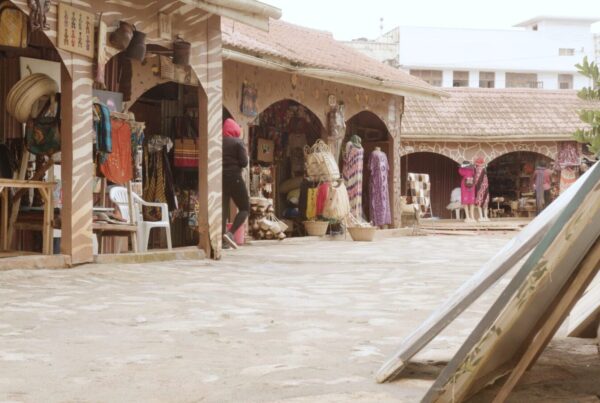
You can also join scheduled Masses, led daily and especially on Sundays, in either English or Luganda. Local guides and church attendants are always available to answer questions and offer personal accounts that make the history even more tangible. Before you leave, visit the souvenir stalls selling rosaries, martyr figurines, books, and crafts. You’ll also find small eateries nearby offering traditional Ugandan meals, tea, and snacks.
Cultural Impact: A Shrine that Shapes a Nation’s Soul
Namugongo is more than a pilgrimage site; it’s a living museum of Uganda’s religious and cultural journey. The shrine has cemented its place in both the spiritual and civic narrative of the country. The story of the martyrs is taught in schools, invoked in politics, and reflected in Uganda’s firm embrace of religious freedom.
Economically, Namugongo has brought development to the surrounding areas. Hotels, guesthouses, restaurants, and markets thrive around the shrine, especially during peak pilgrimage seasons. Faith-based tourism has turned Namugongo into a spiritual heartbeat of Uganda’s tourism sector, alongside natural wonders like Murchison Falls or Bwindi’s gorillas.
Culturally, the martyrs’ story has inspired plays, songs, films, and literature. It has reminded Ugandans of the power of belief, and the value of dying for what one truly holds dear. Most significantly, it has fostered an ecumenical spirit that bridges divides, making Namugongo not just a Catholic or Anglican monument—but a Ugandan treasure.
Frequently asked questions about Namugongo Martyrs’ Shrine Uganda
Who were the Uganda Martyrs and why are they commemorated at Namugongo?
The Uganda Martyrs were 45 men and boys — 22 Catholic and 23 Anglican — who were executed between 1885 and 1887 under the orders of Kabaka Mwanga II, the ruler of the Buganda Kingdom. The majority were pages and servants in the royal court who had converted to Christianity following the arrival of Catholic White Fathers missionaries (1879) and Anglican CMS missionaries (1877) in Buganda. Kabaka Mwanga perceived the new religious loyalty as a political threat — the converts’ refusal of certain personal demands from the king and their divided loyalty between the king and a foreign religion (in Mwanga’s reading) led to the persecution. The most famous execution was on June 3, 1886, at Namugongo, where 22 Catholic converts were burned alive. The Anglican martyrs were executed at various locations including Munyonyo. The 22 Catholic martyrs were canonised as saints by Pope Paul VI in October 1964 — one of the first large African canonisations — making June 3 a Catholic feast day with global observance, though the Namugongo pilgrimage draws both Catholic and Anglican participants to the joint commemorative site.
What is the Namugongo pilgrimage and when does it happen?
The Namugongo pilgrimage is an annual Catholic and Anglican religious gathering held on June 3, Uganda Martyrs’ Day — a national public holiday. Pilgrims travel to Namugongo on foot from across Uganda and from neighbouring countries (Kenya, Tanzania, Rwanda, the DRC, and South Sudan), with many walking for days or weeks to arrive in time for the June 3 mass. The Catholic pilgrimage to the Basilica of the Uganda Martyrs is the larger event — the June 3 mass at Namugongo is presided over by the Archbishop of Kampala or occasionally by visiting senior Catholic hierarchy including, historically, papal legates. Attendance is typically over 3 million at the peak of the June 3 gathering, making it one of the largest Catholic pilgrimage events in Africa. The Anglican Shrine of the Uganda Martyrs holds a simultaneous service. Outside the June 3 pilgrimage date, Namugongo receives a steady flow of Catholic and Anglican visitors from around the world as a year-round pilgrimage site. The shrine grounds and museum are open to all visitors regardless of religious affiliation.
Is Namugongo worth visiting as a safari tourist in Uganda?
Namugongo Martyrs’ Shrine is worth a half-morning visit for safari tourists arriving through Entebbe or Kampala, particularly for visitors with an interest in Ugandan history and the cultural forces that shaped modern Uganda. The shrine provides a direct window into the 19th-century political history of Buganda, the arrival of Christianity in East Africa, and the intersection of local kingdom politics with colonial-era missionary activity — the context behind Uganda’s current status as one of Africa’s most Christian countries is rooted in the Namugongo events. The basilica’s architecture and the museum within the shrine complex give the historical narrative physical form. Namugongo is directly en route from Entebbe Airport to Kampala (off the Kampala–Jinja road), making a stop practical on the drive from the airport to a Kampala hotel on arrival day. Outside June 3, visit times are typically under 2 hours with the guided museum visit.
What else can you visit near Namugongo in the Kampala area?
Namugongo sits in the suburban corridor northeast of Kampala and can be combined with other Kampala-area cultural and historical sites on a half-day or full-day cultural tour from the capital. The Ndere Cultural Center in Ntinda (20–25 minutes from Namugongo) presents Ugandan performing arts — traditional dance, music, and storytelling — on scheduled evenings and by arrangement for groups. The Kabaka’s Palace (Lubiri Palace) in central Kampala, the Kasubi Tombs UNESCO World Heritage Site (royal burial grounds of the Buganda Kingdom’s kings), and the Uganda Museum (Uganda’s oldest museum, natural history and cultural collections) are all within 45 minutes of Namugongo in the Kampala urban area. A cultural day built around Namugongo, Kasubi, and either the Uganda Museum or Ndere gives a comprehensive introduction to Buganda history and Ugandan cultural diversity that complements the wildlife-focused western circuit itinerary beginning the following day.
How do you get to Namugongo from Entebbe Airport?
Namugongo is approximately 40–50 km from Entebbe Airport — approximately 50–70 minutes by private vehicle on the Entebbe–Kampala expressway and then the Northern Bypass toward Namugongo, depending on traffic. The shrine is not served by direct public transport from Entebbe; the practical options for airport visitors are private vehicle (arranged through your accommodation or a Kampala-based tour operator for a half-day cultural stop en route to Kampala) or taxi. Public transport from within Kampala (boda-boda motorcycle taxi or matatu minibus from the city centre) can reach Namugongo but is not practical with luggage from the airport. For safari visitors, the most natural timing is either as an arrival-day excursion on the drive from Entebbe to a Kampala hotel, or as a departure-day cultural stop on the last day before an evening international flight from Entebbe — the shrine visit finishes comfortably 3–4 hours before an evening flight without rushing.
Plan your full Uganda safari from Kampala to Bwindi
- Gorilla Permit Guide — the western Uganda wildlife experience that follows the Kampala cultural day
- Uganda Gorilla Families — the Bwindi families at the end of the Uganda circuit that begins in Kampala
- Bwindi Sector Guide — the gorilla trekking destination 9–10 hours drive from Namugongo
- Full Safari Cost Guide — full Uganda circuit budget including Kampala arrival days
- Safari Itineraries — western Uganda circuit itineraries starting from the Kampala/Entebbe gateway
- The Uganda Martyrs: faith, politics, and a World Heritage pilgrimage site
- Easter Uganda: pilgrimage processions and community celebrations
- Martyrs Day Uganda: the June 3rd national pilgrimage explained
- Ndere Cultural Center: Uganda’s Living Theatre of Heritage, Rhythm & Unity
- Bwindi Community Conservation: How Local People Protect Gorillas
- The Batwa Community: Displaced by Conservation, Now Leading Tours
- The Community Hospital Built by Gorilla Trekking Money in Buhoma
- What the Mubare Gorilla Family Means to the Community Around Them
- From Farmer to Ranger: How Conservation Changed a Community
- What Happens to a Community When a Silverback Dies: A Cultural Story