Updated
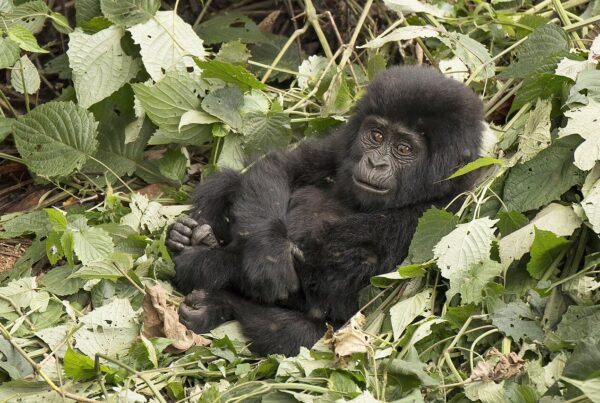
gorilla habituation experience worth it is one of Africa’s most extraordinary wildlife experiences, connecting travellers with mountain gorillas in their natural forest habitat. The Gorilla Habituation Experience is worth the extra cost if you want more time, a smaller group and a behind-the-scenes look at gorilla research — but not if you mainly want clear, relaxed photos or an easier day. It costs US$1,500 per person (rising to US$1,800 in 2027) against US$800 for standard trekking, and gives you up to four hours with a family still being habituated in Bwindi’s Rushaga sector, in a group of no more than four.
The two experiences are more different than the price suggests. Here is what you actually get for the extra money, what you give up and who each option suits best.
Is the Gorilla Habituation Experience Worth the Extra Cost?
Habituation experience vs standard trek
| Standard gorilla trek | Gorilla Habituation Experience | |
|---|---|---|
| Permit | US$800 (US$600 in April, May, November) | US$1,500; US$1,800 from 2027 |
| Time with gorillas | 1 hour | Up to 4 hours |
| Group size | Up to 8 | Up to 4 |
| Gorilla family | Fully habituated, relaxed with people | In the later stages of habituation, more wary |
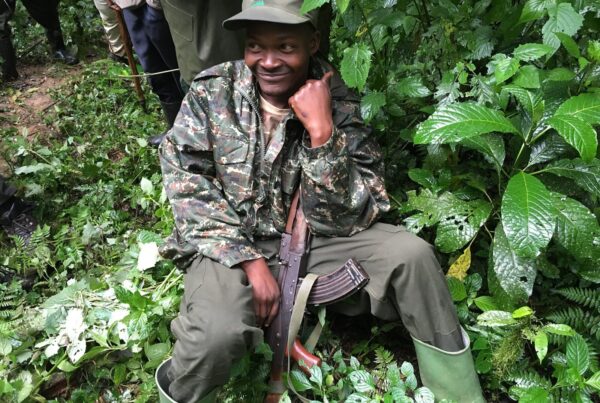
| Who you walk with | Ranger guide and trackers | Habituation team: trackers and researchers |
| Where | All four Bwindi sectors and Mgahinga | Rushaga sector only |
| Typical day | 3–8 hours | 6–10 hours |
What the extra money buys
The obvious difference is time. One hour with gorillas passes quickly, and many visitors leave wishing for more. With up to four hours, you see far more of the family’s day: feeding, resting, travelling, grooming and the play of youngsters, with time to simply watch rather than rush to photograph. The group of four also feels much more personal than eight, and you are less likely to be jostling for a clear view.
The other difference is the experience of habituation itself. You join the trackers and researchers who visit the family daily, often from the moment they pick up the trail at the previous night’s nests. They explain how they read the gorillas’ behaviour, record each individual and slowly build trust, and you see the reactions of a family that is still learning to accept people. For anyone interested in conservation and animal behaviour, that is the real value. Read more about how gorilla habituation works.
What you give up
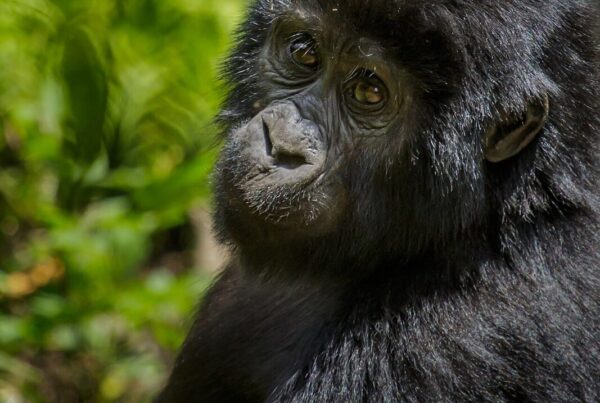
A family still being habituated is less relaxed than one that has received visitors for years. The gorillas may keep more distance, move off into thick vegetation, or display more often, and the silverback may be warier of the group. That means four hours do not always mean four hours of clear views, and photos can be harder than on a standard trek, where a calm family often sits in the open. The day is also longer and more physically demanding, because you follow the family as it moves rather than simply visiting it.
There is less choice too. The experience runs only in Rushaga, with a small number of permits each day, so it sells out early in the busy months. And at nearly double the price, it uses budget that could otherwise pay for a second standard trek with a different family, which some visitors prefer. See how gorilla permits work.
Who it is worth it for
The habituation experience is best for travellers who care more about understanding gorillas than ticking them off: wildlife enthusiasts, return visitors who have already done a standard trek, photographers who want time to wait for behaviour rather than perfect light, and people fascinated by conservation work. It also suits those who want a quieter, more exclusive encounter. Fitness matters, as the day can be long; see how fit you need to be.
A standard trek is the better choice for first-time visitors on a budget, anyone worried about a long day, families with teenagers who might lose patience, and travellers who want the classic, relaxed hour with a fully habituated family. Many visitors get the best of both by doing one standard trek and one habituation day, or two standard treks in different sectors.
Booking tips
Because permits are few, book the habituation experience as early as possible, ideally six months ahead for June–September and December–February. If you are planning a 2027 trip, check whether booking before the price rise secures the current rate. Stay at a lodge in or near Rushaga, as the day starts early and ends late, and bring a packed lunch, plenty of water and extra camera batteries. See the Rushaga sector for lodges and access.
Frequently asked questions
The US$600 low-season rate applies to standard trekking permits. Ask your operator whether any seasonal rate applies to habituation permits when you book.
Yes, on different days. Many visitors do the habituation experience in Rushaga and a standard trek in another sector or in Mgahinga.
Yes, 15, the same as standard gorilla trekking. Rangers check passports at the briefing.
Yes, in Kibale Forest, where you spend a longer day with a chimpanzee community being habituated. It is a good pairing for primate lovers.