
Où l'âme de la forêt murmure dans la brume
La randonnée des gorilles en Ouganda n’est pas seulement une rencontre avec la faune sauvage, c’est un voyage physique et émotionnel à travers l’une des forêts tropicales les plus préservées d’Afrique. Que vous parcouriez les crêtes escarpées de Bwindi ou les pentes volcaniques de Mgahinga, comprendre le niveau de difficulté et préparer votre corps et votre esprit peut rendre l’expérience encore plus enrichissante. Il ne s’agit pas d’une promenade informelle dans les bois. Il s’agit d’une expédition guidée à travers une végétation dense, parfois sur un sol glissant ou inégal, avec des randonnées allant d’une à huit heures selon l’emplacement de la famille de gorilles qui vous a été assignée.
Les itinéraires de randonnée des gorilles en Ouganda varient en altitude et en terrain. Bwindi, connue pour ses sentiers escarpés et épais dans la jungle, peut être particulièrement difficile dans des régions comme Nkuringo et Rushaga.
Mgahinga, bien que également accidenté, est souvent considéré comme légèrement plus simple en termes de terrain. L’altitude, l’humidité et l’imprévisibilité de la longueur des sentiers signifient que vous aurez besoin d’un niveau de forme physique raisonnable, d’une bonne paire de chaussures de randonnée et d’être prêt à affronter les courbes de la nature. Mais ne vous laissez pas intimider : des porteurs sont disponibles pour transporter votre équipement, des guides rythment la randonnée de manière réfléchie et des aires de repos sont intégrées. Avec une préparation et un bon état d’esprit, chaque défi le long du sentier devient une partie de l’histoire – une victoire personnelle qui rend votre heure avec les gorilles encore plus profonde.
Alors enfilez vos bottes, prenez votre appareil photo et préparez-vous à rencontrer la nature : c’est là que commencent véritablement vos rêves de randonnée avec les gorilles et vos aventures de safari inoubliables.
Truly Iconic Highlights in Uganda

Trek through Bwindi’s mystical rainforest and meet the endangered mountain gorillas in their breathtaking natural home.
Encounter mountain gorillas and golden monkeys on Mgahinga’s misty volcanic trails, where culture and alpine wildlife thrive together.
Unwind after your trek with a peaceful canoe ride across Lake Bunyonyi, Uganda’s most tranquil and scenic highland lake.
Enhance your gorilla trekking safari with an optional chimpanzee encounter in Uganda’s lush forests, adding depth and diversity to your primate adventure
Difficulté du trekking des gorilles en Ouganda – Fitness & Guide des sentiers pour un voyage inoubliable
Quand on évoque le trekking des gorilles en Ouganda, on pense souvent à ce moment magique — croiser le regard d’un gorille de montagne au cœur d’une jungle brumeuse, le cœur battant, l’appareil photo oublié, l’âme bouleversée. Mais avant cette rencontre se dresse un voyage qui met à l’épreuve votre détermination, éveille vos sens et vous connecte physiquement au territoire sauvage que ces géants paisibles appellent leur foyer.
Si vous vous interrogez sur la difficulté du trekking des gorilles en Ouganda, vous n’êtes pas seul. C’est l’une des questions les plus fréquentes des voyageurs — et à juste titre. Si la récompense est immense, le sentier qui vous mène aux gorilles peut être accidenté, escarpé et imprévisible. Ce guide vous aidera à comprendre ce qui vous attend en termes de condition physique, de conditions de piste et de préparation mentale et physique, afin que vous puissiez marcher avec confiance, clarté et enthousiasme.
La nature du trek : aucun sentier n’est jamais le même
L’une des choses les plus importantes à comprendre est qu’aucun trek de gorilles ne ressemble à un autre — ni en durée, ni en terrain, ni en difficulté. L’expérience est profondément organique. Les gorilles de montagne se déplacent librement dans leurs territoires au sein du Parc National de la Forêt impénétrable de Bwindi et du Parc National des Gorilles de Mgahinga, et chaque jour, les rangers les localisent à nouveau avant que les visiteurs ne s’enfoncent dans la forêt.
Cela signifie que votre trek peut durer aussi peu qu’une heure ou se prolonger jusqu’à six heures ou plus, selon l’endroit où se trouvent les gorilles ce jour-là. Le sentier peut impliquer des chemins plats, des pentes douces ou des montées difficiles à travers des lianes enchevêtrées, des pentes boueuses et une végétation dense sans véritable piste — juste une nature sauvage brute et vivante.
Différences de terrain : Bwindi contre Mgahinga
Le Parc National de la Forêt impénétrable de Bwindi est exactement ce que son nom suggère — une forêt tropicale ancienne et dense avec un terrain irrégulier, des crêtes escarpées et des vallées profondes. Les sentiers y sont souvent plus ardus en raison de l’épaisseur de la forêt et des dénivelés, en particulier dans des secteurs comme Nkuringo et Rushaga, connus pour leurs randonnées exigeantes.
Le Parc National des Gorilles de Mgahinga, en revanche, s’étend sur les flancs volcaniques des montagnes Virunga et présente un terrain plus ouvert avec une forêt de bambous. Le trekking y est parfois plus facile et plus court, notamment lorsque la famille de gorilles Nyakagezi se trouve près de la base. Cela dit, le paysage volcanique implique également de hautes altitudes qui peuvent affecter certains trekkeurs.
Quel niveau de forme physique faut-il ?
Il n’est pas nécessaire d’être un athlète, mais une bonne condition physique est indispensable. Si vous pouvez marcher ou randonner pendant 3 à 5 heures sur un terrain irrégulier — parfois en montée et dans des conditions humides — vous vous en sortirez très bien.
Ce qui compte, c’est l’endurance, pas la vitesse. Vous ne courrez pas. Le trek se fait à un rythme mesuré, avec des pauses en chemin et des porteurs disponibles pour vous assister. Ce qui importe plus que la musculature, c’est l’état d’esprit. La détermination, la patience et la résilience mentale sont essentielles lorsque le sentier devient escarpé ou glissant.
Même les voyageurs plus âgés ou ceux qui ont des problèmes articulaires peuvent profiter du trek s’ils planifient en conséquence. Chaque année, de nombreux visiteurs dans la soixantaine et la septantaine réalisent des treks avec succès — souvent aidés d’un bâton de marche, d’un porteur engagé et du rythme régulier de pas lents et délibérés.
Conseils de préparation physique et mentale
Si vous planifiez votre trek plusieurs mois à l’avance, commencez un entraînement léger dès maintenant :
- Faites des marches ou des randonnées régulières sur un terrain irrégulier ou vallonné
- Renforcez les jambes avec des escaliers, des squats ou des exercices de résistance légers
- Améliorez l’endurance cardiovasculaire avec la marche rapide, la natation ou le vélo
- Pratiquez la respiration consciente — particulièrement utile en altitude ou dans les montées
Le jour du trek, portez des chaussures de randonnée confortables à bonne adhérence, emportez de l’eau et habillez-vous en couches légères respirantes. Des gants légers peuvent vous aider à vous accrocher à la végétation sans vous égratigner les mains. Un bâton de marche est vivement recommandé — souvent fourni au siège du parc ou par votre lodge.
N’oubliez pas : le trek n’est pas une compétition. Votre guide adaptera le rythme au groupe, et l’objectif est toujours d’atteindre les gorilles en toute sécurité et dans le respect de leur environnement.
Aide optionnelle : porteurs et chaise à porteurs
L’embauche d’un porteur est vivement encouragée — non seulement pour porter votre sac à dos, mais aussi pour vous offrir de l’équilibre sur les passages difficiles et un soutien moral lorsque le chemin devient glissant. Les porteurs sont souvent d’anciens braconniers reconvertis en protecteurs de la nature grâce à des initiatives communautaires, de sorte que votre contribution participe directement à la conservation.
Si vous avez une mobilité réduite ou des problèmes de santé, l’Ouganda propose une solution unique : la chaise à porteurs pour le trekking des gorilles. Cette civière est portée par une équipe de porteurs qui vous conduira jusqu’à la famille de gorilles et vous en ramènera, permettant même aux voyageurs ayant des difficultés physiques de vivre la magie de la forêt.
Et si vous ne pouvez pas finir le trek ?
C’est rare, mais certains trekkeurs choisissent de s’arrêter avant d’atteindre les gorilles en raison de la fatigue ou de la difficulté. Les rangers et les guides sont formés pour accompagner tous les niveaux de forme physique, et ils vous conseilleront sur la poursuite ou le retour. Des pauses de repos, des moments à l’ombre et un rythme lent font toujours partie du voyage.
Mais la plupart des trekkeurs atteignent leur destination — et lorsqu’ils y arrivent, chaque goutte de sueur, chaque pas dans la boue, chaque montée à bout de souffle en vaut absolument la peine.
Plus d’informations sur la randonnée des gorilles à connaître.
Le trekking des gorilles va bien au-delà de la simple randonnée : c’est un voyage profond et émotionnel au cœur des dernières forêts tropicales sauvages d’Afrique. Connaître le bon timing, les permis, les conseils de remise en forme et les détails du parc peut transformer votre expérience de bonne en inoubliable.
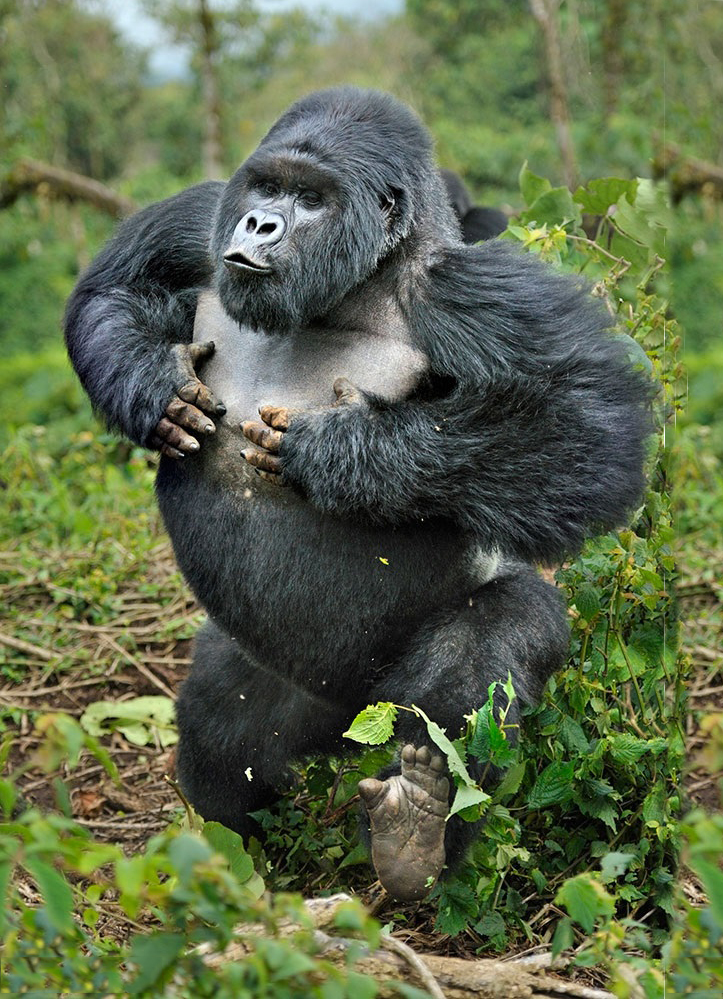
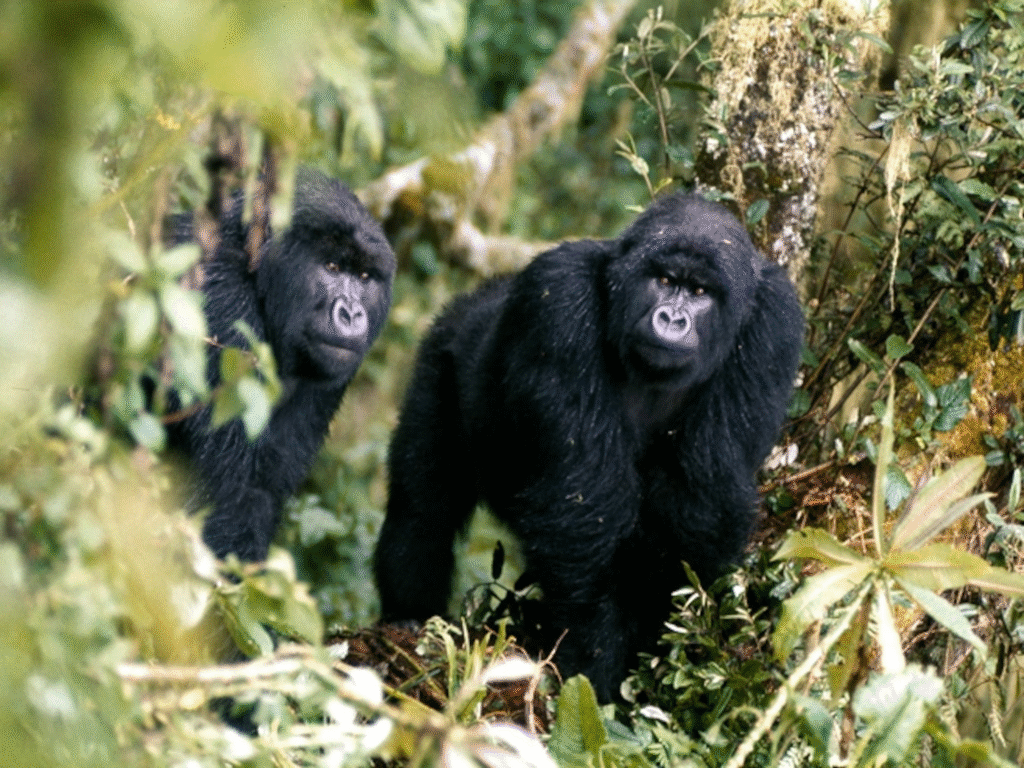
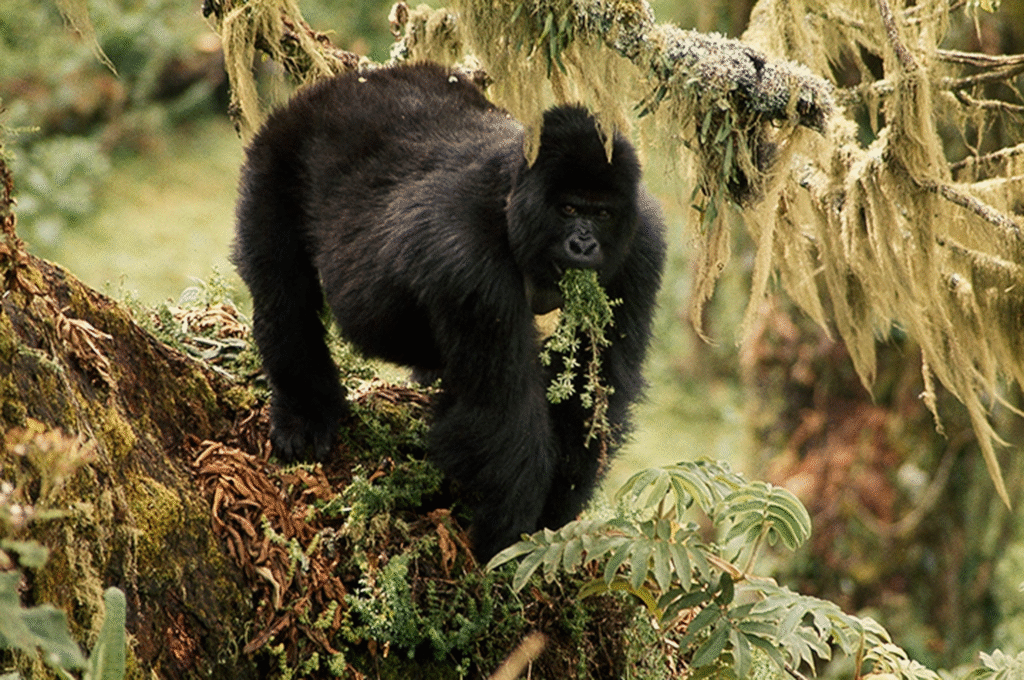
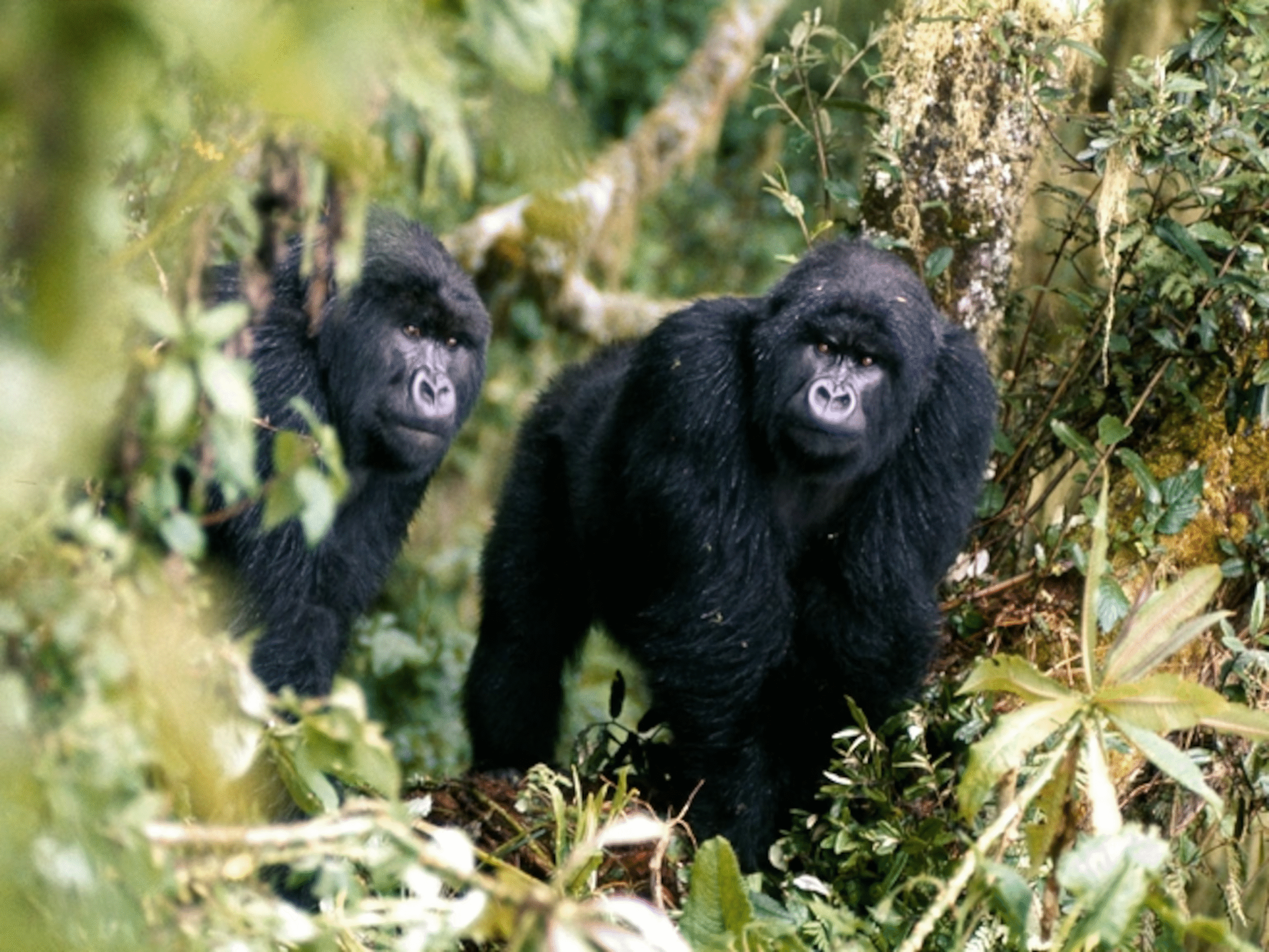
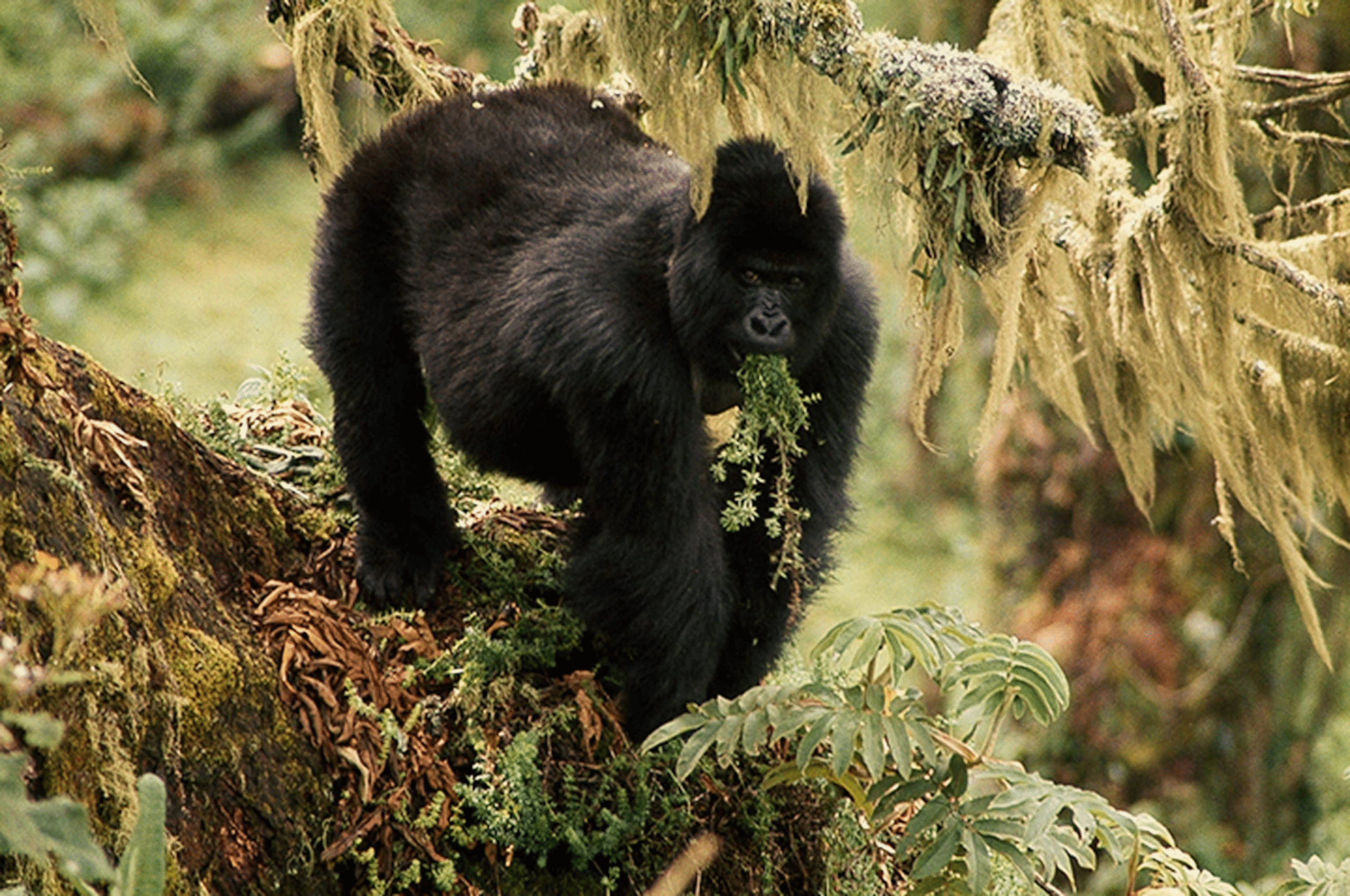
Au royaume des géants – Bwindi & Mgahinga dans les cadres.
Promenez-vous dans une galerie élégante capturant les sanctuaires de gorilles les plus exclusifs d’Ouganda, où les forêts anciennes abritent les derniers gorilles des montagnes dans un monde de brume, de mystère et de majesté.

Conseils de planification essentiels pour visiter les parcs nationaux de l’Ouganda.
Préparez-vous à découvrir le cœur sauvage de l’Afrique grâce à des conseils de voyage d’experts sur quand visiter, quoi emporter, où aller et comment tirer le meilleur parti de votre safari dans les parcs nationaux à couper le souffle de l’Ouganda.
Pourquoi l’Ouganda pour Gorilla Trekking ?
Uganda is not just a destination — it's the very soul of gorilla trekking. With over half of the world’s remaining mountain gorillas calling its misty forests home, Uganda offers the rarest encounters in their most authentic setting. Here, your journey is not rushed or crowded. Instead, you’re guided by experienced rangers through pristine jungles where gorillas live as they always have — wild, free, and magnificent
From insider travel insights to unforgettable trekking guides, our blog is your trusted path into Uganda’s wild heart — connecting you with mountain gorillas, breathtaking landscapes, and the soul-stirring adventures that make this land unlike any other.