Crossing from Rwanda into Uganda on the Kigali to Bwindi overland route is one of the most popular cross-border safari journeys in East Africa in 2027 — many visitors combine gorilla trekking in Rwanda’s Volcanoes National Park with trekking in Uganda’s Bwindi Impenetrable Forest on a single trip, and the road connection between Musanze (Ruhengeri) in Rwanda and Bwindi in Uganda crosses at the Katuna-Gatuna border post and covers approximately 160 kilometres in 3-4 hours of driving, making the two countries’ gorilla trekking parks practically adjacent from a logistics perspective. The Kigali to Bwindi crossing works for visitors building a combined Uganda safari with Rwanda, incorporating Bwindi gorilla trekking and Volcanoes NP Rwanda.
- Main border crossing: Katuna (Uganda) / Gatuna (Rwanda); the most used crossing on this route; approximately 4km between the two border posts
- Alternative crossing: Cyanika-Kisoro crossing (better for Mgahinga or Bwindi Nkuringo/Rushaga); Katuna-Kabale is better for Bwindi Buhoma
- Total journey: Kigali to Bwindi Buhoma approximately 220km; 4-5 hours including border processing
- Visa: East African Tourist Visa covers Uganda, Rwanda, Kenya; apply at evisa.go.ug before travel
Crossing from Rwanda into Uganda at the Kigali to Bwindi overland route is one of the most popular cross-border safari journeys in East Africa. Many visitors combine gorilla trekking in Rwanda’s Volcanoes National Park with trekking in Uganda’s Bwindi Impenetrable Forest on a single trip, crossing the border between the two countries as part of the itinerary. In 2027 the border crossing is straightforward and the drive is beautiful. This guide covers the full route, crossing procedures, and practical logistics.
Why This Crossing Is So Popular
Rwanda and Uganda share the same mountain gorilla population across the Virunga ecosystem and Bwindi. Many travelers buy gorilla permits for both countries and cross the border as part of a combined safari. The crossing also suits visitors flying into Kigali and out of Entebbe (or vice versa) as a one-way itinerary through two countries without backtracking. Rwanda’s infrastructure and visa-on-arrival policy make it an accessible entry point for East Africa.
The Route: Kigali to Bwindi
From Kigali the drive heads north through Musanze (the base for Volcanoes National Park) and continues to the Cyanika-Bunagana border crossing. This is the main border used by safari vehicles and international travelers on the Rwanda-Uganda gorilla circuit. Total distance from Kigali to Bwindi Buhoma is approximately 200 to 230 kilometers depending on the route. Driving time is 4 to 5 hours including the border crossing. The road on both sides is paved and in good condition in 2027.
The Border Crossing: What to Expect
Cyanika (Rwanda Side)
On the Rwandan side, exit procedures involve presenting your passport at the immigration post. Rwanda uses an e-visa system and exit is typically quick with no issues for visitors holding valid visas. Your driver handles the vehicle documentation. The Cyanika post is a relatively quiet crossing compared to the busier commercial borders and processes tourist vehicles quickly — usually 20 to 40 minutes total.
Bunagana (Uganda Side)
The Ugandan entry at Bunagana involves immigration, potential yellow fever vaccination card inspection, and vehicle clearance. East African Community citizens may have simplified entry requirements. Visitors from most countries purchase a Uganda e-visa in advance at the official government portal — do not apply through third-party sites. A single entry visa in 2027 costs $50. Processing at Bunagana is generally smooth for tourist vehicles arriving on safari packages. Total time at the Uganda side runs 20 to 45 minutes depending on queue length.
Yellow Fever Vaccination
Uganda requires proof of yellow fever vaccination for entry. Carry your yellow fever vaccination card — the International Certificate of Vaccination — as border officials inspect it. This is a hard requirement, not optional. If you do not have the certificate, you may be vaccinated at the border for a fee, but this creates delay and uncertainty. Get vaccinated at least 10 days before travel and carry your card at all times.
From Bunagana to Bwindi
Once through the Uganda border at Bunagana the drive to Bwindi continues north and east through Kisoro and into the park. If heading to Bwindi’s southern sectors — Nkuringo or Rushaga — Kisoro is close to your lodge. If heading to Buhoma in the north, the journey adds another 2 hours on a road that passes through Kabale. Your safari operator’s driver will know the correct routing based on your permit sector and lodge booking.
Combining Rwanda and Uganda Gorilla Treks
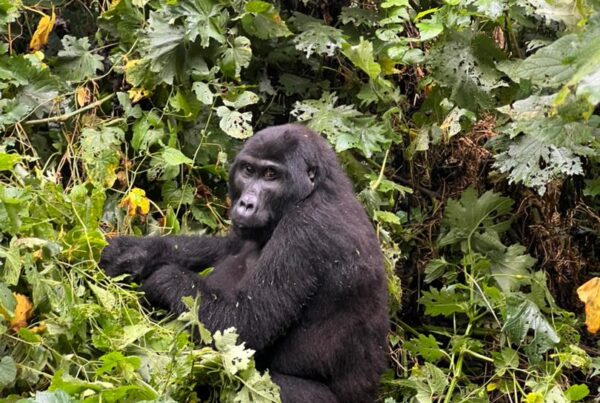
The combined Rwanda-Uganda gorilla trek is one of the signature experiences of East Africa. Rwanda permits cost $1,500 in 2027 while Uganda permits cost $800, giving travelers access to gorilla families in two different ecosystems at different price points. Most combined itineraries spend 2 to 3 nights near Volcanoes National Park in Rwanda, then cross to Uganda for 2 to 3 nights at Bwindi. The border crossing is straightforward enough that it feels like a natural part of the journey rather than a logistical obstacle.
In 2027 the Kigali to Bwindi overland crossing is a well-worn route with reliable infrastructure on both sides. With good advance planning — visa applications, yellow fever vaccination, permit bookings — the crossing is smooth and the journey across two countries to see mountain gorillas in two different forests is one of the best itineraries available anywhere in Africa.
What is the border crossing process at Katuna-Gatuna between Rwanda and Uganda?
The Katuna-Gatuna crossing is the main border between Uganda and Rwanda on the Kigali-Kampala route and handles significant commercial and tourist traffic. The process: approach the Rwanda Gatuna border post; complete exit immigration in Rwanda (passport stamp); drive or walk the approximately 4km no-man’s-land between the two posts (in practice, no walking — drive through); enter the Uganda Katuna border post; present Uganda visa (East African Tourist Visa or Uganda e-visa); complete Uganda immigration; vehicle inspection and customs clearance. Time required: 30-60 minutes in normal conditions; can extend to 2+ hours on busy days (market days, weekends, public holidays); the crossing is less congested in early morning. Vehicle crossing: if you are in a Rwanda registered vehicle, it can cross into Uganda on a temporary import permit; car insurance must cover both countries; most Rwanda and Uganda safari operators use vehicles registered in their respective countries and transfer at the border where the other country’s vehicle takes over.
Which border crossing is best for getting to Bwindi from Rwanda?
Two border crossings connect Rwanda to the Bwindi area and the choice depends on which Bwindi sector your permit is for. Katuna-Gatuna crossing for Bwindi Buhoma sector: cross at Katuna; drive north on the Uganda side to Kabale; from Kabale drive to Bwindi Buhoma (approximately 50km unpaved); total Kigali to Buhoma: approximately 220km, 4-5 hours. Cyanika-Bunagana crossing for Bwindi Rushaga/Nkuringo: cross at Cyanika near Musanze to Bunagana Uganda; then Kisoro to Bwindi Rushaga or Nkuringo sectors; shorter for southern Bwindi; also the best route for Mgahinga. Combined Rwanda-Uganda itinerary logic: if doing Volcanoes NP first, cross at Cyanika for Mgahinga and southern Bwindi; if combining Rwanda with Bwindi Buhoma, Katuna crossing is more direct. Your operator coordinates: for a combined Rwanda-Uganda safari with two different country operators, the handover at the border is pre-arranged; the Rwanda vehicle drops at one side, the Uganda vehicle picks up at the other.
What is the drive from the Uganda border to Bwindi like?
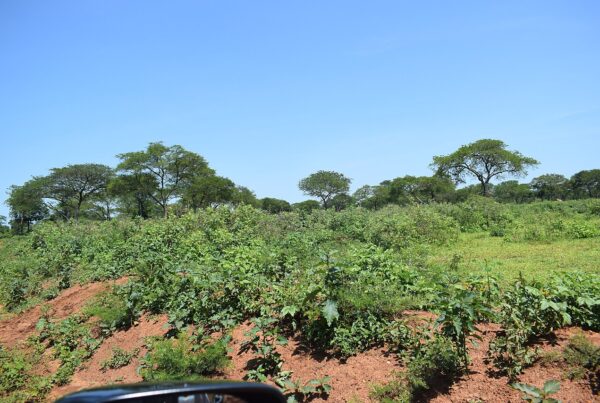
After crossing at Katuna into Uganda, the drive to Bwindi continues through the Kigezi highlands. Katuna to Kabale (approximately 12km): a short paved section from the border to Kabale town; the transition from Rwanda’s well-paved road network to Uganda’s roads is immediately noticeable; the roads are good quality but less pristine than Rwanda’s motorways. Kabale to Bwindi Buhoma (approximately 50km, unpaved): the Kabale-Bwindi murram road is the same section that all Kampala-approach visitors use; red-earth laterite road; 4WD required; 1.5-2.5 hours depending on conditions. Kabale to Bwindi Rushaga via Cyanika route: from the Bunagana border, drive through Kisoro to Rushaga — approximately 25km from Kisoro; a shorter and more direct connection to southern Bwindi. The landscape: the Kigezi highland scenery from the Uganda side is among the most beautiful in the country — terraced hillsides, valley mist, deep green crater lakes; the Rwanda-Uganda border zone shares the same extraordinary highland landscape.
How do you structure a combined Volcanoes NP Rwanda and Bwindi Uganda itinerary?
A combined Rwanda-Uganda gorilla trekking itinerary is one of the most frequently requested East Africa safari designs. Minimum itinerary (5 nights): day 1: fly Kigali; drive to Musanze; overnight near Volcanoes NP; day 2: Rwanda gorilla trek; day 3: drive Musanze to Bwindi via border (Cyanika or Katuna depending on sector); overnight Bwindi; day 4: Bwindi gorilla trek; day 5: drive to Kampala or Kigali; depart. Better itinerary (7 nights): adds a second Rwanda trek or golden monkey day, and a second Bwindi trek. Two gorilla treks per destination: for serious wildlife visitors, two nights in each park with one trek each gives the best experience without overextending the itinerary; 4 gorilla treks across Rwanda and Uganda in 8 days is a rewarding but manageable pace. Which country first: either direction works; flying into Kigali and exiting Entebbe is the most efficient routing from Europe; reverse works for visitors combining with Uganda’s other parks.
What practical tips apply specifically to the Kigali to Bwindi cross-border journey?
Specific practical points for the Kigali-Bwindi cross-border journey help avoid common friction points. Currency: Rwanda uses Rwandan Francs (RWF); Uganda uses Uganda Shillings (UGX); USD is accepted at many businesses in both countries; exchange Rwanda francs before the border as they are not easily exchanged in Uganda; use ATMs in Musanze before departure. Vehicle transfer: if using operators from each country, confirm the handover logistics in advance; will you walk between the two border posts? Will the operators meet at a specific point? Gorilla permit confirmation: confirm your Uganda gorilla permit is still valid for the day you will arrive at Bwindi; border delays occasionally cause day mismatches in multi-night itineraries; your Uganda operator manages this. Plastic bag ban: Uganda does not have Rwanda’s strict plastic bag ban; but Rwanda bans single-use plastics absolutely — do not carry plastic bags into Rwanda from Uganda. Insurance: ensure travel insurance covers both countries and specifically covers gorilla permit costs for the Uganda portion.
- Bwindi from Kigali: crossing the Rwanda-Uganda border for your gorilla trek
- Getting from Kigali to Bwindi: the Rwanda-Uganda border crossing by road
- The Kigali to Bwindi route: crossing the Rwanda-Uganda border for gorilla trekking
- Kigali to Bwindi: Cross-Border Gorilla Trekking Route
- Uganda Gorilla Trekking from Kigali: The Cross-Border Option Explained
- 5-Day Kigali to Bwindi Gorilla and Cultural Tour
- Nairobi to Bwindi: Overland and Fly Options Compared
- Kigali to Kampala: The Overland Route to Uganda Guide
- Gorilla Trekking Kigali to Bwindi: The Weekend Trip That Is Worth It
- Gorilla Trekking Plus Rwanda Kigali: Cross-Border 5-Day Trip