Updated
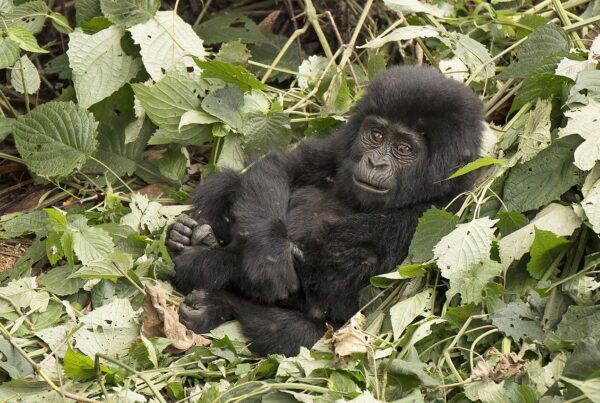
Uganda gorilla tourism economy Rwanda comparison is a subject central to Uganda’s wildlife tourism, where mountain gorilla conservation and responsible visitor experiences go hand in hand. Mountain gorilla trekking operates across three countries — Uganda, Rwanda, and the Democratic Republic of Congo — each of which has developed a distinct economic model for the same wildlife resource: the roughly 600 mountain gorillas in the Virunga mountains (shared across Rwanda, DRC, and Uganda’s Mgahinga) and the approximately 400 gorillas in Bwindi Impenetrable Forest (Uganda only), together totalling over 1,000 individuals whose conservation status determines whether the trekking industry continues at all. The economic comparison between the three countries’ gorilla tourism models is illuminating: Rwanda charges USD 1,500 per permit (the world’s highest), generates premium income from a smaller visitor volume, and positions gorilla trekking as a luxury experience integrated into a sophisticated national tourism brand; Uganda charges USD 800 per permit, operates a larger number of habituated families across multiple sectors, and maintains a more accessible price point that produces higher total permit income at lower per-permit revenue; DRC has historically charged less but suffers from security constraints that have severely limited visitor numbers. This guide compares the three models and what they mean for conservation, community benefit, and the visitor experience. For Uganda permit details, see the permit guide.
Gorilla Tourism Economics: Three Countries Compared
- Uganda permit: USD 800 — 21+ habituated families, 4 sectors in Bwindi + Mgahinga, ~170 permits/day capacity
- Rwanda permit: USD 1,500 — ~12 habituated families in Volcanoes NP, premium positioning, integrated into Visit Rwanda brand
- DRC permit: Historically USD 400, access severely restricted by ongoing Kivu conflict — limited trekking capacity
- Community revenue sharing: Uganda 20% of entry fees; Rwanda has community investment fund; DRC distribution limited by security costs
- Total gorilla tourism revenue: Uganda and Rwanda together generate the majority of mountain gorilla conservation funding globally
- Visitor comparison: Rwanda attracts significantly more international visitors per trekking day; Uganda handles more total annual permits
Mountain gorilla tourism operates across three countries — Uganda, Rwanda, and the Democratic Republic of Congo — each of which has developed a distinct economic model for monetising access to the Virunga massif and, in Uganda’s case, the separate Bwindi Impenetrable ecosystem. Comparing these models illuminates fundamental questions about conservation financing, community benefit distribution, and the relationship between tourism economics and political stability. For travellers choosing between destinations, understanding the economic context enriches the decision and helps direct spending toward the approach that best aligns with their conservation values.
How Uganda’s gorilla tourism economy compares to Rwanda and DRC
Uganda’s model: volume, affordability, and community integration
Uganda’s gorilla permit is priced at USD 800, the lowest of the three countries. This positioning reflects a deliberate strategy to capture a broader tourism market, particularly travellers combining gorilla trekking with other Ugandan attractions such as chimpanzee tracking in Kibale, white-water rafting on the Nile, or big-game viewing in Queen Elizabeth National Park. Uganda has more gorilla trekking permits available than Rwanda, with habituated groups in both Bwindi Impenetrable National Park and the smaller Mgahinga Gorilla National Park accommodating multiple groups of eight visitors per day.
The community revenue sharing mechanism that channels twenty percent of permit fees to local communities is well-established in Uganda and has been running for over two decades. This longevity has allowed communities to develop experience in managing conservation funds and to build institutions capable of directing investment toward genuine development priorities. The Batwa, one of the indigenous communities dispossessed when Bwindi was gazetted as a national park in 1991, receive targeted support through the revenue sharing programme, though advocacy groups argue that the current arrangements still fall short of meaningful restitution for land lost to conservation.
Uganda’s lodge sector is dominated by a mix of internationally owned luxury properties and locally owned community lodges and budget guesthouses, giving the country a wider accommodation price range than Rwanda and making gorilla trekking accessible to travellers on significantly different budgets. This breadth of accommodation is both an economic strength — capturing more tourist spending across income brackets — and a source of tension, as budget operators sometimes cut corners on local hiring, environmental management, and community engagement in ways that undermine the broader conservation model.
Rwanda’s model: premium pricing and concentrated luxury
Rwanda’s gorilla permit costs USD 1,500, nearly double Uganda’s. This pricing strategy positions Rwanda as a premium destination targeting high-net-worth travellers for whom a higher permit price signals exclusivity rather than posing a barrier. The strategy has been remarkably successful. Rwanda has attracted some of the most prestigious wildlife lodge brands in the world, including Singita, One&Only, and Wilderness Safaris, whose properties charge nightly rates that can exceed USD 2,000 per person, making Rwanda’s gorilla tourism one of the highest-revenue-per-visitor wildlife tourism models anywhere in Africa.
The Rwandan model is embedded in a broader national development strategy that positions tourism as a premium foreign exchange earner rather than a volume-based industry. Rwanda’s tourism authority invests heavily in marketing, infrastructure, and quality standards, and the government has made strategic investments in national park management and visitor experience that are visible in the smooth logistics, well-maintained trails, and professional guide corps that luxury travellers expect.
Community benefit distribution in Rwanda operates through different mechanisms than Uganda. Rather than a dedicated permit revenue sharing percentage, Rwanda’s approach relies more heavily on lodge-level community engagement, employment quotas, and local sourcing requirements embedded in tourism investment agreements. The effectiveness of these arrangements varies by operator and is harder to assess from outside than Uganda’s more transparent percentage-based model.
For travellers choosing between Uganda and Rwanda, the premium Rwanda experience offers fewer gorilla groups but a more polished infrastructure, shorter drive times from Kigali to the Volcanoes National Park trailheads compared to Uganda’s longer road journeys, and the association with some of the world’s most prestigious safari brands. Uganda offers more accessible pricing, greater variety in gorilla family groups available, and integration with a wider range of wildlife experiences across the country.
DRC’s model: potential undermined by instability
The Democratic Republic of Congo contains the largest share of mountain gorilla habitat in the Virunga massif, managed through Virunga National Park, Africa’s oldest national park and a UNESCO World Heritage Site. DRC has historically offered the lowest gorilla permit prices — as low as USD 400 at times — reflecting both an attempt to attract visitors despite political risk and the reality that conservation funding available from international donors has partially substituted for tourism revenue that the security situation makes difficult to generate consistently.
The instability that has periodically closed Virunga to tourism is not merely an inconvenience for operators. It represents a fundamental challenge to the viability of a tourism-based conservation financing model in conflict-affected areas. When armed groups control access to gorilla habitat, when rangers face life-threatening danger patrolling park boundaries, and when international travellers are advised against visiting entire provinces, the revenue streams that fund conservation evaporate and must be replaced by emergency donor support — a less reliable and less self-sustaining arrangement than tourism provides.
Despite these challenges, Virunga National Park has attracted significant international attention and substantial conservation investment, partly because its stakes are so high. The park contains habituated gorilla groups, critically important forest habitat, and a ranger force that has suffered significant casualties over decades of conflict. The park’s management organisation has developed innovative revenue generation strategies including carbon credits and renewable energy projects that partially compensate for tourism volatility, but the underlying political fragility of eastern DRC remains the decisive variable in the park’s long-term conservation outlook.
Revenue per gorilla: measuring conservation efficiency
An alternative way to compare the three country models is through the lens of revenue generated per gorilla in the population. This metric is necessarily approximate but conceptually useful. Rwanda generates the highest revenue per visitor but has fewer total visitors due to limited permit availability and premium pricing. Uganda generates moderate revenue per visitor across a larger visitor base. DRC generates lower revenue per visitor but has experienced periods of severely reduced visitor numbers due to security closures.
Across all three countries, the International Gorilla Conservation Programme and other regional bodies have worked to align conservation standards, share research, and coordinate on issues such as disease surveillance and population monitoring that do not respect national boundaries. Mountain gorillas in the Virunga massif cross between Rwanda, Uganda, and DRC without awareness of the political borders that determine which conservation model applies to them at any given moment, and effective protection requires functional cooperation across all three jurisdictions regardless of the differences in their tourism economics.
What visitors can conclude from the comparison
No single country offers a definitively superior conservation model. Rwanda’s premium approach generates high per-visitor revenue and has attracted world-class lodge investment but is accessible only to wealthier travellers. Uganda’s mid-tier pricing captures a broader market and has built durable community benefit structures but faces ongoing challenges with accommodation quality variation and community benefit equity. DRC’s potential remains largely unrealised due to political factors outside conservation’s control.
For visitors to Uganda, the relevant conclusion is that their permit fee is entering a well-established system with demonstrated community benefit outcomes, a growing gorilla population as evidence of conservation effectiveness, and a tourism infrastructure that has matured considerably over three decades of gorilla tourism. The USD 800 permit represents genuine value in conservation terms, not simply in experiential terms, and spending it in Uganda specifically supports a model that has succeeded in aligning community and conservation interests across one of Africa’s most ecologically precious landscapes.
Frequently asked questions about gorilla tourism economics across Uganda, Rwanda, and DRC
Why does Rwanda charge more for gorilla permits than Uganda?
Rwanda’s gorilla permit price of USD 1,500 (approximately double Uganda’s USD 800) reflects a deliberate national tourism strategy that positions gorilla trekking as a premium product for high-income visitors, rather than a maximally accessible product for the widest possible visitor range. The Rwanda Development Board’s tourism strategy (post-genocide reconstruction logic: attract premium, low-volume, high-spend tourism rather than mass market) produced the permit price increase from USD 750 to USD 1,500 in 2017 as a signal of premium positioning, not a conservation necessity. The rationale articulated by Rwanda’s tourism authorities: higher permit prices attract visitors who spend more broadly in the tourism economy (luxury lodges, premium transport, Kigali hotels) rather than visitors who economise on the surrounding experience; fewer, higher-spending visitors produce less environmental impact per dollar of revenue; and premium positioning generates the international media and social media coverage that self-sustaining premium tourism brands require. The conservation revenue comparison: Rwanda’s 12 Virunga families at USD 1,500 per permit generate substantial conservation income from a smaller permit volume than Uganda’s system; the gorilla conservation funding from Rwanda’s permit income, directed through the RDB to the ranger force and international conservation organisation partnerships, is significant. Whether the price increase has reduced gorilla trekking accessibility in ways that the broader conservation model depends on (wider public engagement with gorilla conservation across income brackets) is a genuine question that the premium model does not answer easily.
Is it better to do gorilla trekking in Uganda or Rwanda?
The Uganda versus Rwanda gorilla trekking comparison is a genuine choice with substantive differences in experience quality, not a question with a clearly superior answer. The case for Uganda: the Bwindi forest provides a more immersive, wilder encounter setting than Volcanoes NP’s more intensively managed visit format — the trek is longer and more physically demanding but produces an encounter that feels less managed; the permit is USD 700 cheaper per person, a significant difference for two-person or group trips; Bwindi’s 21+ habituated families across four sectors provide more family diversity and sector choice; and the broader Uganda wildlife circuit (Queen Elizabeth NP, Kibale chimpanzees) provides more varied safari content alongside the gorilla trek. The case for Rwanda: Kigali is a better international hub with more direct flight connections than Entebbe, reducing total travel time; the Volcanoes National Park gorilla encounter is highly managed but extremely efficient — most treks are shorter (2-3 hours), the facilities at the sector gates are excellent, and the families are well-managed for the encounter quality; the surrounding Kigali and Rwanda tourism infrastructure is more developed; and the Volcanoes NP visit can be combined with the Dian Fossey Gorilla Fund’s Karisoke centre for the conservation history dimension. The best answer: if budget is a significant constraint, Uganda; if the gorilla encounter is the sole focus of a short trip without other Uganda wildlife interests, Rwanda. The combined Uganda-Rwanda itinerary (described in the Kigali to Bwindi guide) is the best of both.
Is gorilla trekking in the DRC possible and safe?
Gorilla trekking in the Democratic Republic of Congo is theoretically possible at the Mikeno sector of Virunga National Park — the section that borders Rwanda’s Volcanoes NP and contains mountain gorillas — but has been severely limited by the ongoing armed conflict in eastern DRC’s North Kivu province that has periodically forced park closure, ranger evacuation, and suspension of all visitor access. Virunga National Park has experienced periods of visitor operation (during which gorilla trekking was conducted under heavy security escort at a permit price below both Uganda and Rwanda), but these have been interrupted repeatedly by security crises including the M23 rebel offensive (2012-2013 and 2022-2023) and other armed group activity in the park’s buffer zone. The park’s ranger force, led for many years by Congolese Rangers (Gardes du Parc) under conditions of genuine physical danger, has suffered significant casualties from armed group violence — Virunga Rangers have documented over 200 rangers killed in the line of duty. For international visitors, the practical situation: Virunga was closed to tourists most recently due to security concerns; before any visit to DRC gorilla trekking, the UK FCDO, US State Department, or equivalent national travel advisory should be checked for the current security assessment. DRC gorilla trekking is best understood as an option for adventurous experienced Africa travellers who understand the security context, not a standard tourist itinerary option.
How does gorilla tourism revenue contribute to conservation in each country?
The mechanism through which gorilla trekking permit revenue contributes to conservation differs between Uganda, Rwanda, and DRC in ways that reflect each country’s institutional framework for protected area management. Uganda: Uganda Wildlife Authority retains permit revenue as part of its national park operations budget, which funds ranger salaries, equipment, and vehicle operations for all UWA parks including Bwindi and Mgahinga; 20% of national park entry fees are returned to border communities through the Revenue Sharing Scheme; international conservation organisations (AWF, WCS, WWF) provide supplementary project funding for specific research and community programmes. Rwanda: Rwanda Development Board manages park revenue, which funds the ranger force in Volcanoes National Park and contributes to the broader Rwanda national park system; the International Gorilla Conservation Programme (IGCP) coordinates conservation investment across the three Virunga countries including Rwanda; the Gorilla Doctors (MGVP — Mountain Gorilla Veterinary Project) veterinary services are partly funded through a contribution from permit revenues across the three countries. DRC: the Virunga Foundation, the institutional entity managing Virunga National Park in partnership with the DRC government (ICCN), receives funding from permit revenue supplemented by international donor contributions — the DRC ranger force is substantially funded by international conservation organisations given the security costs and limited government revenue capacity. The conservation investment from Uganda and Rwanda combined constitutes the financial foundation that has made the mountain gorilla population recovery possible.
What percentage of gorilla permit revenue reaches local communities?
In Uganda, 20% of national park entry fees (which include a component of the gorilla permit price) is directed to the communities adjacent to national parks through the Revenue Sharing Scheme — a percentage established in the Uganda Wildlife Authority Act and consistently implemented since the late 1990s. The practical amount per community in the Bwindi area: the total UWA national parks entry fee pool is distributed across all UWA parks’ border communities, meaning the per-community allocation in the Bwindi area is a function of Bwindi’s relative contribution to the total UWA park entry fee income. Estimates suggest the Bwindi-area border communities have received cumulatively tens of millions of dollars in Revenue Sharing Scheme funds since the programme began, invested in schools, health clinics, water infrastructure, and road improvements that the communities themselves identify and prioritise. In Rwanda, the gorilla permit revenue flows through the Rwanda Development Board’s national parks budget, with community investment made through the Community Development Fund that invests in infrastructure and livelihoods in the Volcanoes NP border communities — a fund whose specific percentage allocation from permit revenue is not publicly documented with the same transparency as Uganda’s 20% figure. Across both countries, the community benefit from gorilla tourism is real and measurable in the social infrastructure of the border communities — and also clearly insufficient relative to the total tourism income flowing through the permit system to reach a fully equitable distribution outcome.
Understand Uganda’s gorilla tourism model and what it funds
- Gorilla Permit Guide — Uganda’s USD 800 permit in detail and how to book it
- Rwanda Gorilla Families — Rwanda’s Virunga families and the USD 1,500 permit context
- Uganda Gorilla Families — the 21+ habituated families funded by Uganda’s permit revenue
- Full Safari Cost Guide — full Uganda trip cost including the permit and how to plan around it
- Safari Itineraries — Uganda-Rwanda combined gorilla trekking itineraries for the complete Virunga-Bwindi experience
- Uganda’s tourism boom: how international arrivals are reshaping the gorilla economy
- How gorilla tourism is reshaping the economy of southwestern Uganda
- Women entrepreneurs in Bwindi’s tourism economy: craft cooperatives and community businesses
- Gorilla trekking and the informal economy: the porters, vendors, and artisans who depend on tourism
- Sustainable Tourism: Protecting Our Planet While Exploring Its Wonders
- What to Wear for Gorilla Trekking in Uganda and Rwanda
- Cultural Tourism Sites in Uganda – Best Uganda Heritage
- Primate Trekking Guide in Uganda and Rwanda
- Gorilla Trekking Uganda vs Rwanda: Which Should You Choose
- Gorilla Trekking Permit Uganda vs Rwanda: Price Comparison 2026