

Updated
Uganda has close to 100 amphibian species, almost all of them frogs and toads, plus a few legless caecilians. Bwindi Impenetrable Forest is one of the best places to hear them: on wet nights its streams and swamps fill with calls from reed frogs, tree frogs and puddle frogs, including several species found only in the Albertine Rift mountains. Most gorilla trekkers hear them from their lodge without ever seeing one, but a short night walk changes that.
Albertine Rift frogs in Bwindi
Bwindi’s mix of altitudes, from about 1,160 m to over 2,600 m, supports both lowland and montane frogs. Among the Albertine Rift endemics are the Kivu tree frog, a large-eyed frog of forest edges, and montane reed frogs such as the chestnut reed frog, found in high swamps like Mubwindi near Ruhija. Several puddle frogs and squeakers live in the leaf litter and are heard far more often than seen.
Reed frogs and tree frogs
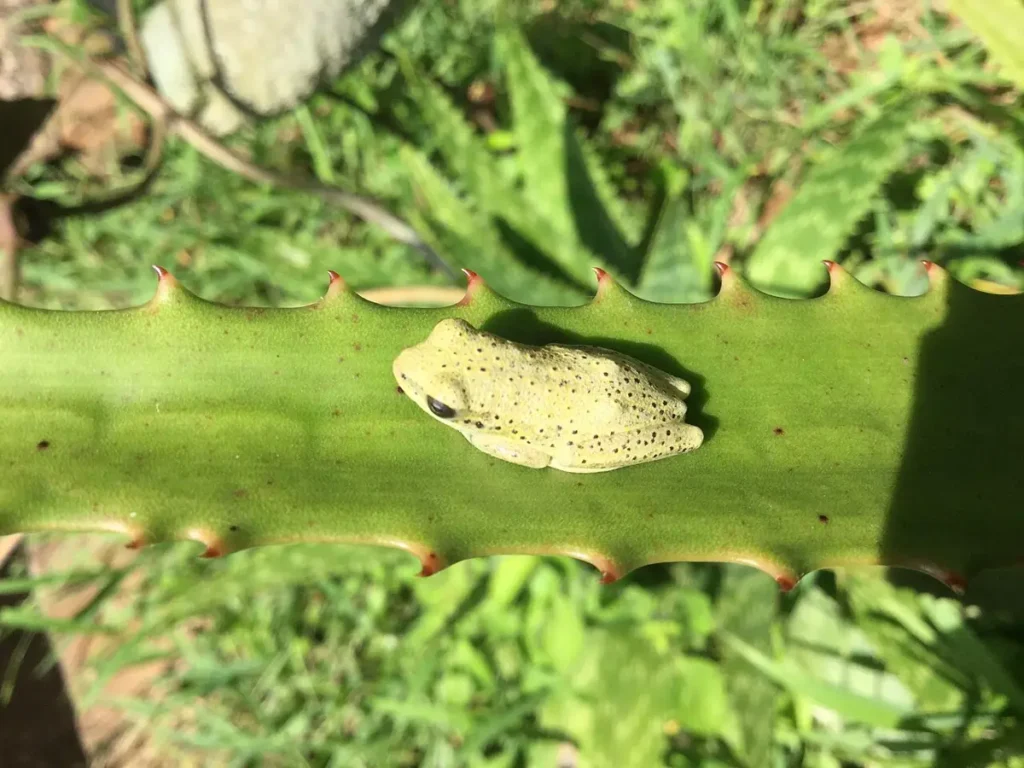
Reed frogs are small, often brightly coloured frogs that call from vegetation around swamps and ponds. Males and females of some species differ in colour, and patterns vary widely, which makes them hard to identify. Tree frogs are larger, with big eyes and sticky toe pads, and spend the day hidden in foliage. The common toads and river frogs found around villages and lodge gardens are the easiest amphibians to see.
Why amphibians matter
Amphibians breathe partly through their skin, so they respond quickly to pollution, drying and disease. Around four in ten amphibian species worldwide are threatened, and the chytrid fungus has caused declines on several continents. Montane species with small ranges, like many Albertine Rift frogs, are the most vulnerable, which makes protected forests such as Bwindi important for them.
How to see frogs on a Bwindi visit
Ask your lodge about a guided night walk on forest edges and community trails, and bring a head torch. Frogs are most active on warm, wet nights in the rainy seasons, from March to May and September to November. Look on leaves near streams and swamps and follow calls slowly. Do not handle frogs, as sunscreen and repellent on your skin can harm them. Read our guides to night sounds in Bwindi and Bwindi weather.
Bwindi also has chameleons, including the three-horned Rwenzori chameleon; see our chameleon guide. The gorilla permit costs US$800, or US$600 in April, May and November. For planning, start with our Bwindi guide.
Frequently asked questions
Close to 100, nearly all frogs and toads.
Several species are endemic to the Albertine Rift mountains, which include Bwindi.
No. The Goliath frog lives only in Cameroon and Equatorial Guinea.
On warm, wet nights in the rainy seasons.










