Updated
Uganda has more than 1,200 recorded butterfly species, over twice as many as the whole of Europe. Most live in the forests, and the richest sites are Semuliki, Kibale, Budongo, Mabira and Bwindi, where a sunny morning on forest tracks can turn up dozens of species. You do not need a special trip: many gorilla and chimp trekkers see swallowtails, charaxes and forest mother-of-pearls on the trails and around lodges.
Why Uganda has so many butterflies
Uganda sits where the West African and Congo forests meet East African savannah and the mountains of the Albertine Rift. Each of these zones has its own butterflies, so the country collects species from several regions at once. Forests hold the greatest variety, especially lowland forests in the west that share many species with the Congo basin. The mountain forests of Bwindi and the Rwenzoris add Albertine Rift endemics found nowhere outside this region.
Butterflies to look for
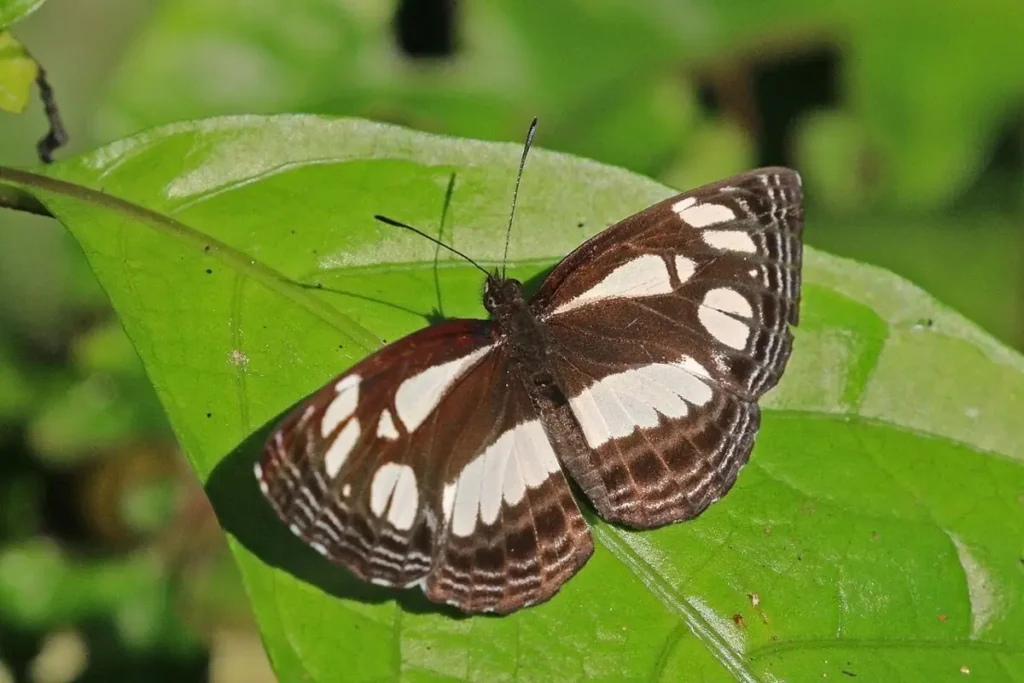
The African giant swallowtail is Africa’s largest butterfly, with a wingspan that can exceed 20 cm. It is a rare sight high in the canopy of western forests such as Kibale and Semuliki, and its body is toxic to predators. Other swallowtails, including the green-banded and emperor swallowtails, are easier to see when they come down to drink.
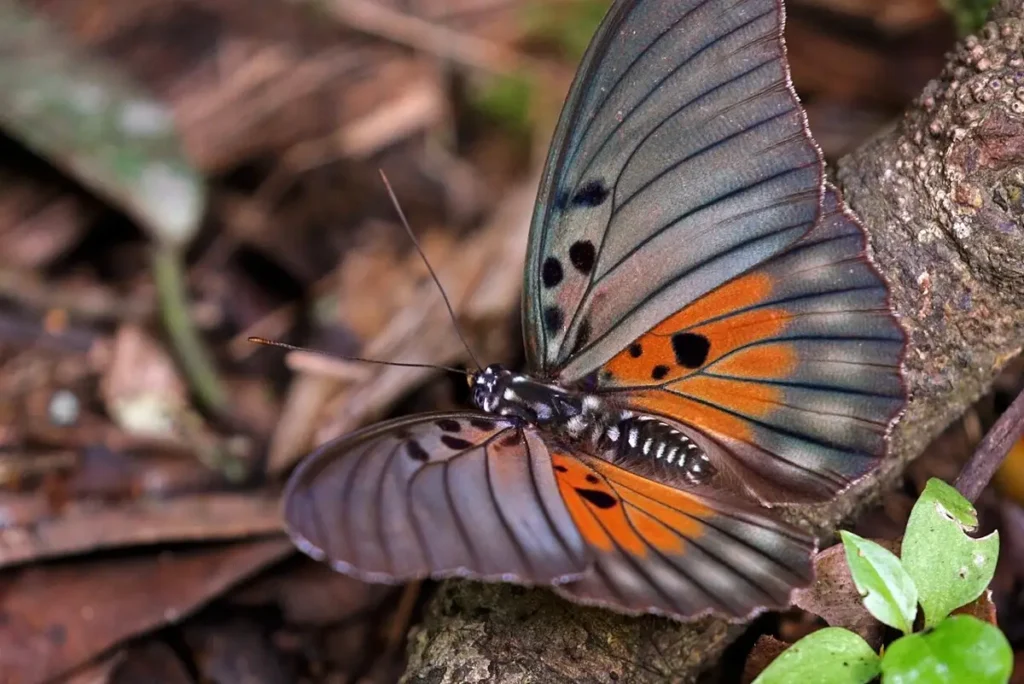
Charaxes are fast, powerful butterflies attracted to rotting fruit, dung and tree sap, and Uganda’s forests hold many species. Forest mother-of-pearls glide through shady undergrowth with pale, translucent wings. Smaller groups such as blues, hairstreaks and the Acraea, which are slow-flying and distasteful to birds, make up most of the species count.
Where to see them
Semuliki National Park, on the Congo border, has the highest butterfly count of any Ugandan park, with many Central African species. Kibale, Budongo and Mabira Forest near Jinja are also excellent, and their roads and trails are easy to walk. Bwindi is best for Albertine Rift species, and the Buhoma waterfall trail and the open track at Ruhija are good places to look.
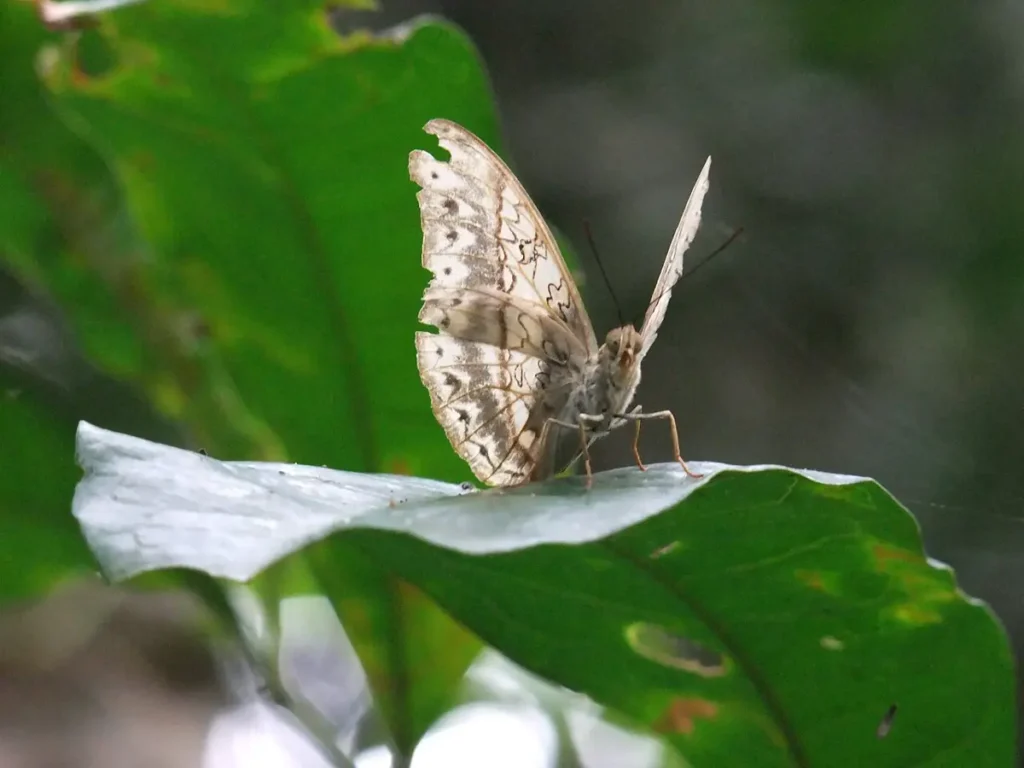
Lake Mburo and Queen Elizabeth have fewer species but more savannah butterflies such as pierids and the African monarch. Wherever you are, lodge gardens with flowering shrubs often attract butterflies in the morning. Our guides to Bwindi and Kibale Forest cover access and walks.
How to find more butterflies
Butterflies are most active on warm, sunny mornings between about 9am and noon, especially after rain. Look along forest tracks, at sunny clearings and at damp mud patches by streams, where males gather to drink salts in what is called mud-puddling. Fallen fruit and animal droppings attract charaxes. Walk slowly and stop often, because many species settle briefly and fly off again.
For photos, a macro lens or a zoom with close focus works best, and early morning gives butterflies time to warm up while they still sit still. Our Uganda photography guide has more tips. The gorilla permit costs US$800, or US$600 in April, May and November. Birders and butterfly watchers often overlap; see our Uganda birding guide.
Frequently asked questions
More than 1,200 have been recorded, over twice as many as in Europe.
Semuliki, Kibale, Budongo, Mabira and Bwindi forests.
The African giant swallowtail, with a wingspan that can exceed 20 cm.
On warm, sunny mornings, especially after rain.
Often, yes, especially at clearings, streams and around lodge gardens.