Updated
Uganda’s popular music is dominated by Luganda-language dance pop, often called kidandali, alongside dancehall, gospel and a growing hip-hop scene, with Kampala as its centre. The best-known names are Jose Chameleone, Bebe Cool, Bobi Wine and Eddy Kenzo, whose “Sitya Loss” video went viral in 2014. Older styles such as kadongo kamu, the “one guitar” storytelling music, and the court drums and xylophones of Buganda still matter. Here is a short guide to the sounds, the names and where to hear live music on a trip.
From kadongo kamu to kidandali
Kadongo kamu, Luganda for “one small guitar”, grew from the 1950s and 1960s: a singer with an acoustic guitar telling long stories about love, money, village life and politics. Christopher Ssebaduka, Fred Masagazi and later Paulo Kafeero and Herman Basudde made it hugely popular, and Elly Wamala was a much-loved crooner of the same era. Many older Ugandans still know the lyrics by heart.
From the late 1990s, a new generation mixed Jamaican dancehall, Congolese rumba and local rhythms with Luganda, English and Swahili lyrics. Jose Chameleone, with hits like “Valu Valu”, and his long-time rival Bebe Cool defined this sound in the 2000s, and Bobi Wine (Robert Kyagulanyi) built a following with songs about life in Kampala’s poorer neighbourhoods before entering politics.
Artists to know today
Eddy Kenzo is Uganda’s best-known musician abroad. The video for “Sitya Loss”, with the Kampala children’s dance group later known as the Ghetto Kids, went viral in 2014, he won a BET viewers’ choice award in 2015, and he was nominated for a Grammy in 2023. Sheebah Karungi, Spice Diana and Vinka lead the female pop scene, A Pass is respected for his range, and Fik Fameica and Gravity Omutujju bring Luganda rap. Bobi Wine’s “Kyarenga” (2018) became an anthem of his political movement.
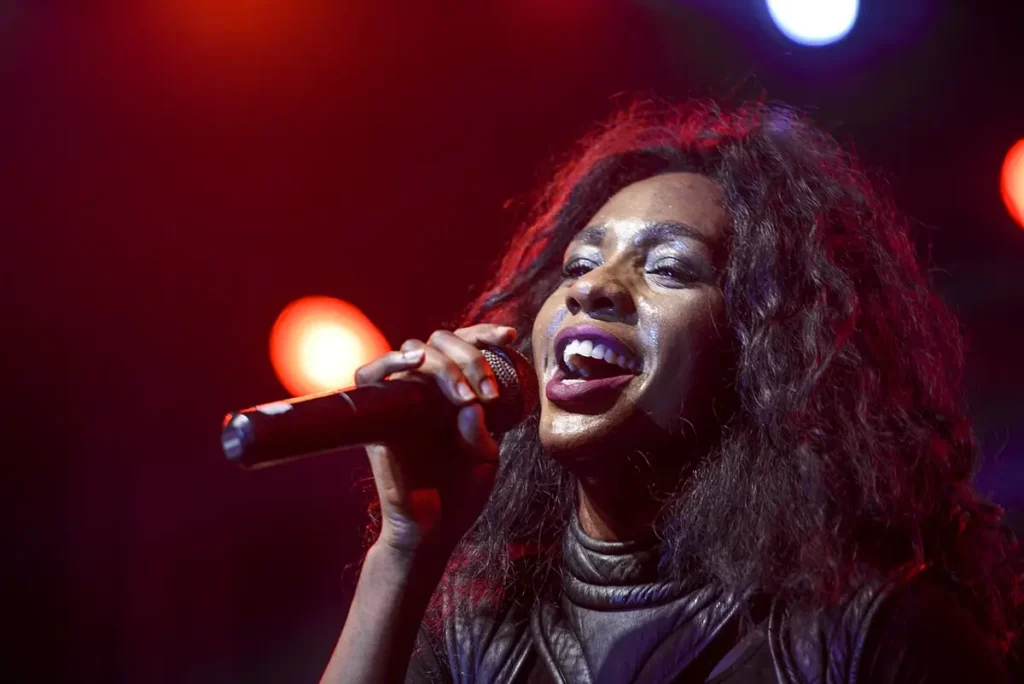
Gospel is arguably the biggest genre of all by airplay. Uganda is a strongly Christian country, and gospel plays in taxis, markets and restaurants. Judith Babirye and Wilson Bugembe are among its best-known names. You will hear a lot of Nigerian Afrobeats and Tanzanian bongo flava too, but locally made music fills the radio.
Traditional music and instruments
Uganda has dozens of ethnic groups, each with its own songs and dances. In Buganda, the amadinda and akadinda log xylophones are played by several musicians in fast interlocking patterns, together with drums once tied to the Kabaka’s court. In the north, the Acholi play the lukeme thumb piano and perform the bwola royal dance, and the West Nile region is known for the adungu, an arched harp now played across the country. See our guide to traditional music and drums.
In the south-west, near the gorillas, Bakiga dance is known for its energetic stamping and leaping, often performed by community groups at lodges in the evening. These performances are one of the easiest ways for visitors to hear local music on a gorilla trip. See our guide to music and dance near Bwindi.
Where to hear live music
In Kampala, the Ndere Centre in Ntinda puts on polished shows of music and dance from across Uganda in the evening; check the current schedule before you go. For contemporary music, Kololo, Kabalagala and Bukoto have bars and clubs with live bands and DJs, especially on Friday and Saturday nights, and big concerts are held at venues such as the Kololo Airstrip and Lugogo. See our Kampala nightlife guide.
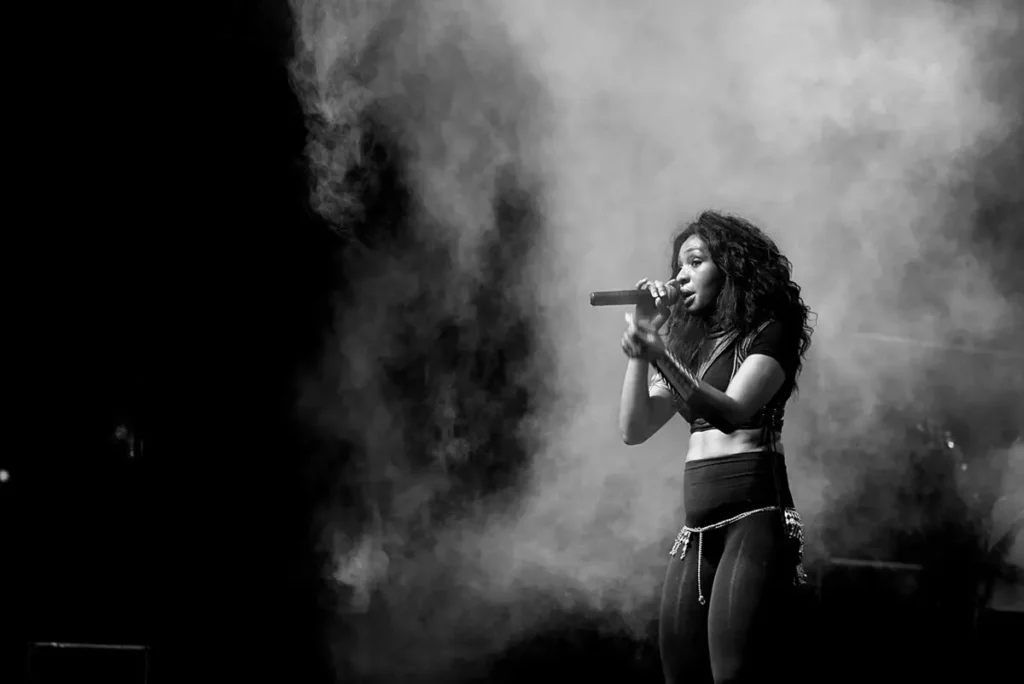
Uganda’s best-known festival internationally is Nyege Nyege, an electronic and experimental music festival held near Jinja on the Nile, usually in the second half of the year, which draws artists and visitors from across Africa and Europe. Public holidays and cultural events such as the Kabaka’s coronation anniversary also bring music to the streets. See our guides to Nyege Nyege and gorilla trekking and Uganda’s public holidays and festivals.
A short listening list
Before your trip, try Eddy Kenzo’s “Sitya Loss”, Jose Chameleone’s “Valu Valu”, Bobi Wine’s “Kyarenga”, a few songs by Sheebah Karungi and Spice Diana, and some kadongo kamu from Paulo Kafeero. For traditional sounds, look for recordings of amadinda xylophone and adungu harp. Most are on YouTube and streaming services, and knowing a few songs makes the music in taxis and lodges feel familiar rather than background noise.
Frequently asked questions
Luganda-language dance pop (kidandali), dancehall, gospel and hip-hop, plus Nigerian Afrobeats.
Internationally, Eddy Kenzo; at home, Jose Chameleone, Bebe Cool and Bobi Wine are also household names.
A Luganda guitar-and-voice storytelling style, popular from the 1960s, whose name means “one small guitar”.
At the Ndere Centre in Ntinda, which holds regular evening shows of music and dance from around Uganda.
Yes. Many lodges near Bwindi host community dance groups, and music plays in towns and vehicles everywhere.