

Updated
Uganda is a strongly religious country. According to the 2014 census, about 84% of Ugandans are Christian, mainly Roman Catholic and Anglican, with fast-growing Pentecostal churches, and about 14% are Muslim. Smaller communities include Seventh-day Adventists, Hindus and Sikhs, Bahá’ís and the Abayudaya Jewish community near Mbale. Many people also keep aspects of traditional belief, such as respect for ancestors and clan rituals, alongside their faith.
How religion arrived
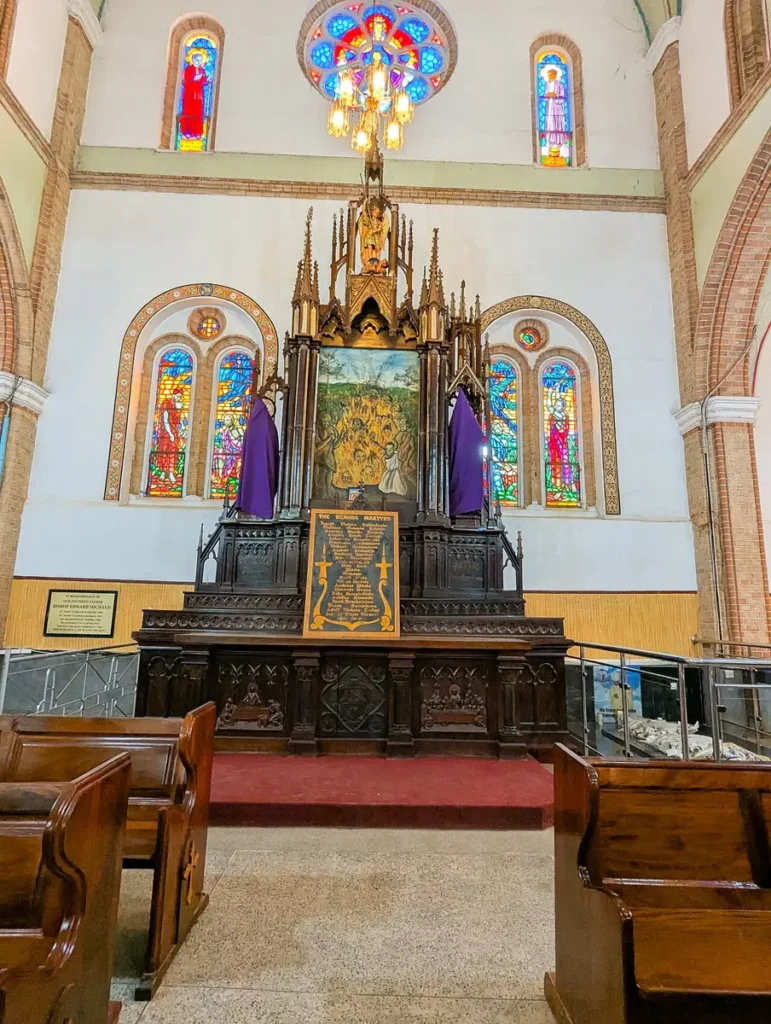
Islam came first, through Arab and Swahili traders who reached the Buganda court in the 1840s. Anglican missionaries of the Church Missionary Society arrived in 1877 and Catholic White Fathers in 1879. Rivalry between Muslim, Protestant and Catholic factions at court led to the execution of converts in 1885–1887, remembered as the Uganda Martyrs, and to civil wars in the late 1880s and early 1890s. Religious identity remained linked to politics for much of the 20th century. See our guide to the Namugongo Martyrs Shrine.
Religion in daily life
Churches and mosques are full on Sundays and Fridays, gospel music plays everywhere, and prayers open meetings and meals. Christmas, Easter, Eid al-Fitr, Eid al-Adha and Martyrs’ Day on 3 June are public holidays. Schools and hospitals were often founded by churches and still have religious links. Traditional practices continue in some areas, including consulting traditional healers and clan ceremonies at births, marriages and funerals. See our guide to Uganda’s public holidays.
Visiting places of worship
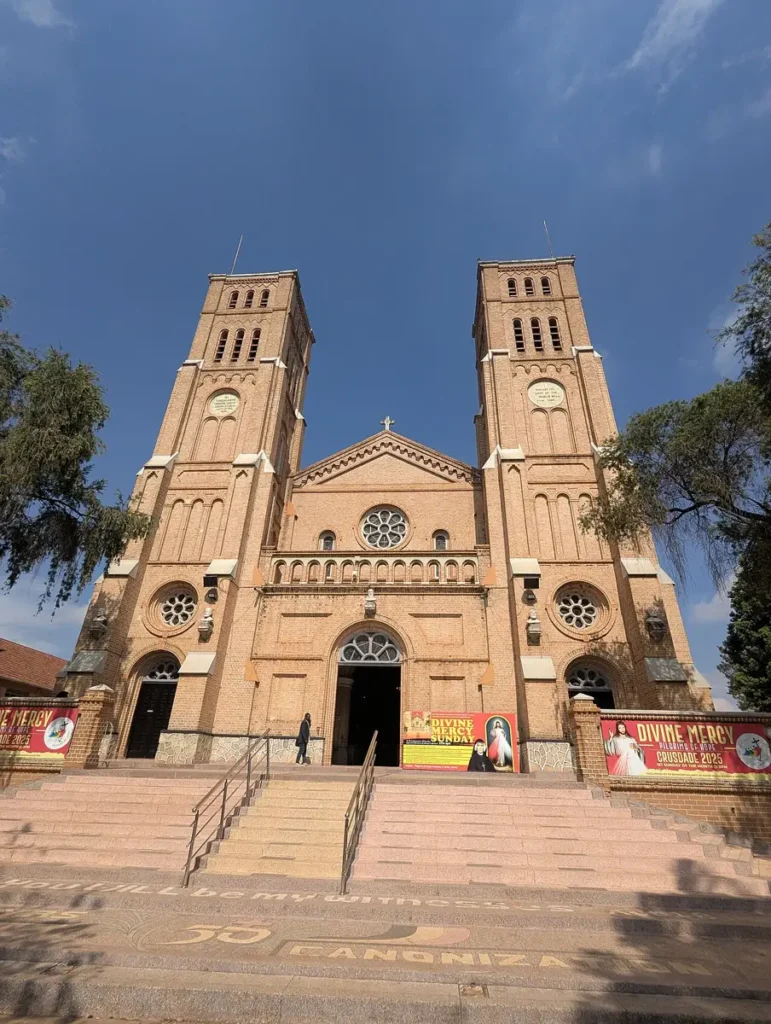
Kampala’s skyline is shaped by its religious buildings: Namirembe Anglican Cathedral and Rubaga Catholic Cathedral on their hills, the Uganda National Mosque in Old Kampala, and the Bahá’í House of Worship on Kikaya Hill, completed in 1961 as the first in Africa. Visitors are generally welcome; dress modestly, remove shoes in mosques, and ask before photographing services. See our guide to Kampala’s mosques and churches.
Etiquette for visitors
Ugandans often ask about your faith in friendly conversation; a polite answer is fine. Respect prayer times, avoid criticising religion, and dress modestly in rural areas and religious sites. Near Bwindi, Sunday church services with lively choirs are open to visitors who want to join respectfully. The gorilla permit costs US$800, or US$600 in April, May and November. See our guide to what to wear in Uganda.
Frequently asked questions
Christianity, followed by about 84% of people; about 14% are Muslim.
With Anglican missionaries in 1877 and Catholic missionaries in 1879.
Yes: Christmas, Easter, both Eids and Martyrs’ Day on 3 June.
Yes, visitors are usually welcome if they dress modestly and are respectful.










