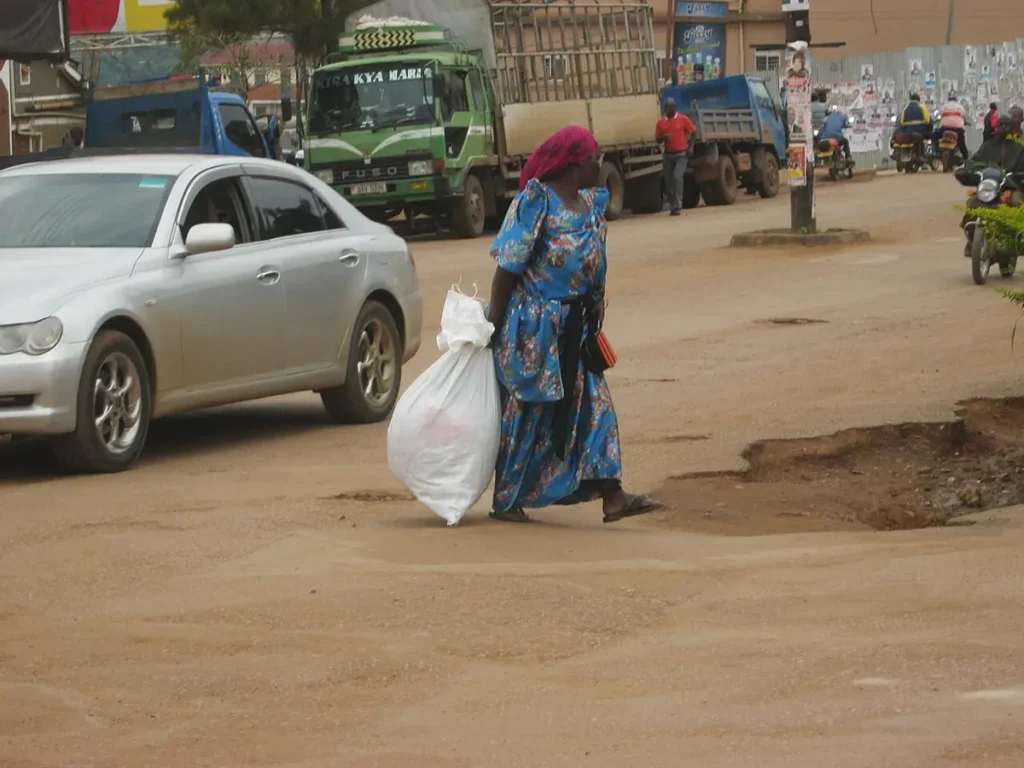
Clothing in Uganda communicates identity, respect, and social position in ways that visitors should understand before they arrive. Uganda is a relatively conservative society where dress standards — particularly for women — carry more social weight than in many Western contexts. At the same time, Uganda’s extraordinary ethnic diversity means that “traditional” dress varies dramatically from community to community, and what is appropriate in Kampala differs from what is expected in rural Karamoja or at a Buganda formal ceremony. This guide helps visitors to Uganda in 2027 navigate clothing decisions with cultural confidence.
General dress expectations for visitors
Uganda is a predominantly Christian and Muslim country where modesty in dress is the norm rather than the exception. For both men and women, revealing clothing — short shorts, sleeveless tops, very tight clothing — is considered disrespectful in most Ugandan social contexts, particularly outside of tourist-facing environments. This does not mean visitors need to dress formally at all times, but it does mean that thoughtful, modest clothing choices will consistently result in more positive interactions and fewer moments of social friction.
For women, knee-length or longer skirts and dresses, loose trousers, and covered shoulders are appropriate in most contexts. For men, long trousers are standard; shorts are acceptable in tourist areas, national parks, and casual settings but less appropriate in markets, churches, government offices, and formal social occasions. Both men and women should cover their heads when entering mosques.
Traditional clothing of Uganda’s ethnic groups
Kanzu: the Buganda men’s formal garment
The kanzu is a long white robe worn by Buganda men on formal occasions — ceremonies, church services, introductions (kwanjula), and official events. It is paired with a Western suit jacket in the standard Buganda formal look that has become one of Uganda’s most distinctive visual signatures. The kanzu originated in Arab trade influence but has been fully adopted into Buganda cultural identity over more than a century and is now considered as authentically Ugandan as any pre-Arab garment.
Gomesi: the Buganda women’s formal dress
The gomesi is the formal women’s dress of Buganda — a floor-length, square-cut dress with distinctive butterfly-shaped sleeves and a wide sash (obutiti) tied around the waist. Made from cotton or silk in a wide range of colors and prints, a well-made gomesi is an elegant and striking garment. The gomesi is worn at all formal occasions in Buganda: weddings, introductions, church, funerals, and official events. Female visitors who wish to attend a formal Buganda event can rent or buy gomesis at Kampala markets.
Karamojong traditional dress
The Karamojong of northeastern Uganda dress in a way that reflects their hot, semi-arid environment and pastoralist lifestyle. Men traditionally wear a single sheet of cloth — often checked or plain colored — draped over one shoulder and carry a small wooden stool and a spear. Women wear layered skirts and elaborate stacked beadwork. In rural Karamoja, traditional dress remains common among older generations though urban and semi-urban Karamojong typically wear modern clothing.
Bark cloth ceremonial dress
For the most formal Buganda ceremonial occasions — royal events, Kasubi Tombs ceremonies, major cultural performances — bark cloth garments may be worn. Bark cloth (lubugo), Uganda’s UNESCO-recognized textile, has a warm reddish-brown color and suede-like texture. Ceremonial bark cloth garments are not everyday wear but mark occasions of special significance. Visitors to the Kasubi Tombs or Buganda royal events may see attendants in bark cloth dress.
What to wear for gorilla trekking
Gorilla trekking in Bwindi or Mgahinga requires specific clothing choices driven by practical rather than social considerations. The UWA (Uganda Wildlife Authority) recommends: long-sleeved shirts and long trousers (to protect against stinging nettles, insects, and thorny undergrowth); sturdy waterproof hiking boots with ankle support; a waterproof jacket (the forest is frequently wet); gardening gloves for grabbing vegetation on steep slopes; and a hat for the walking sections.
Neutral and dark earth tones (green, brown, khaki, dark grey) are recommended for gorilla trekking — bright colors and white startle wildlife. Avoid anything that crinkles or rustles loudly as you move. A lightweight backpack carries water, snacks, and a change of shirt for the descent. Dressing appropriately for the trek, with permits costing $800 in 2027, is both a practical and an investment-protecting decision.
Dressing respectfully at religious sites
When visiting mosques (including the Gaddafi Mosque in Kampala), women should cover their hair, arms, and legs; men should wear long trousers. Shoes are removed before entering the prayer hall. When visiting the Kasubi Tombs, modest dress is expected and visitors may be given a wrap if their clothing is deemed insufficiently covered by the attendants. For church visits, modest dress applies — a Sunday church service at Namirembe or Rubaga Cathedral is a remarkable cultural experience but requires the same respectful dress standards you would apply at any religious service.