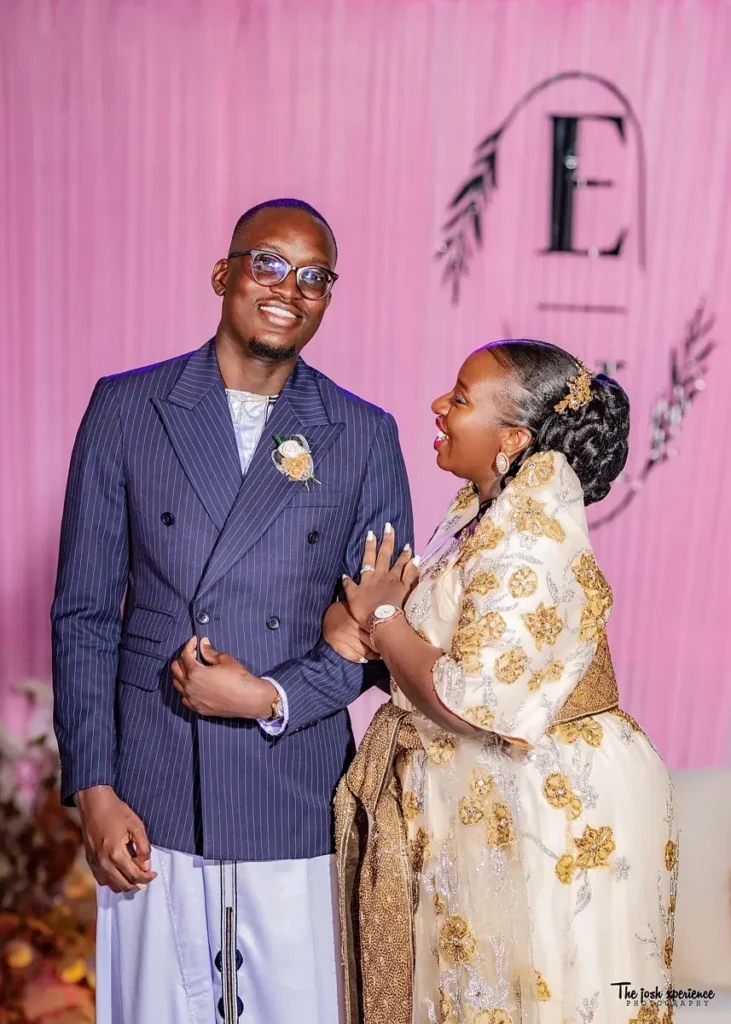
The kanzu is Uganda’s most recognisable men’s formal garment — a long white robe reaching to the ankles, worn with a Western-style suit jacket in the standard Buganda formal combination, and recognised as the ceremonial dress of Buganda Kingdom men at introductions (kwanjula), church services, formal meetings, and official functions — a garment that arrived in the Lake Victoria basin via the Swahili coast trade routes in the 18th or 19th century and was so comprehensively adopted by the Baganda that it has become an inseparable part of Buganda Kingdom cultural identity and is now worn as formal dress by men of multiple Ugandan ethnic groups who have adopted it from the Buganda tradition. Cultural dress knowledge enriches Uganda safari and gorilla trekking visits.
- Description: long white or off-white robe reaching to the ankles; typically made from fine cotton or kanzu cloth; collarless or with small collar
- Formal combination: kanzu + Western suit jacket (usually dark colour) + flat cap or safari hat; this combination is the standard Buganda formal wear
- Occasions: kwanjula (introduction ceremony), church, coronation events, formal meetings with elders or kingdom officials
- Origin: derived from the Swahili coast kanzu via the Arab-Swahili trade routes; adopted by the Buganda Kingdom in the 18th-19th century
The kanzu is one of Uganda’s most recognizable and elegant garments — a long white robe worn by Buganda men at formal occasions that has become a visual symbol of Ugandan ceremonial life. Paired with a Western suit jacket in the standard Buganda formal combination, the kanzu creates a distinctive hybrid aesthetic that is entirely Ugandan while acknowledging the multiple cultural influences that have shaped Buganda society over the past 150 years. In 2027, the kanzu remains actively worn and deeply valued as a marker of dignity, respect, and cultural identity.
Origins of the kanzu
The kanzu did not originate in Buganda — it was introduced through Arab and Swahili trade networks that reached the Great Lakes region in the mid-19th century. Arab and Swahili traders arriving at the Buganda court of Kabaka Mutesa I in the 1840s-1860s brought the long robe as part of a broader package of material culture including fabrics, beads, and eventually Islamic religious practice. The Kabaka and his court adopted aspects of this material culture selectively, and the white robe became associated with courtly elegance and formal occasions.
By the late 19th century, as Christian missionaries arrived and Uganda’s relationship with Arab influence became more complicated, the kanzu’s origins were largely forgotten in everyday consciousness. It had become simply a Buganda garment — one of the community’s own cultural expressions rather than an import. This naturalization process, by which borrowed elements become genuinely owned cultural expressions, is a normal feature of cultural history everywhere.
The kanzu today: when and how it is worn
The kanzu is formal wear, not everyday dress. A Muganda man wears a kanzu at:
- Introduction ceremonies (kwanjula) — both as a member of the groom’s delegation and as the groom himself
- Church weddings and church services of special importance
- Funerals — where the white color signifies mourning and respect
- Buganda Kingdom official events and royal occasions
- Formal meetings with elders or community leaders
- Graduation ceremonies at some institutions
- Christmas and other major Christian festivals
The standard combination is a white kanzu with a Western suit jacket — typically dark blue, black, or grey — worn over it. This hybrid look is not seen as contradictory; the suit jacket represents the Buganda man’s engagement with the modern professional world while the kanzu affirms his cultural roots. The combination is specifically Ugandan in its aesthetic logic and is one of the most photographed formal looks in East African social photography.
Kanzu variations
While white is the standard and most traditional kanzu color, other colors and fabrics are used in specific contexts. Cream and off-white kanzus are acceptable. Embroidered kanzus — with delicate embroidery at the neckline and cuffs — are considered dressier and are favored at weddings and high-status events. The quality of fabric ranges from inexpensive cotton for everyday formal use to fine imported cotton and silk blends for special occasions. A high-quality hand-embroidered kanzu for an important ceremony can be a significant purchase.
Making and buying a kanzu
Kanzus are made by tailors throughout Kampala and the Buganda heartland. The garment is essentially a long straight cut that requires relatively modest tailoring skill to produce, but the quality of construction and fabric makes an enormous difference to the finished result. Markets in Kampala — particularly the Owino market (St. Balikuddembe Market) and the stalls around the taxi parks — carry kanzus at a wide range of prices from a few thousand to tens of thousands of Uganda shillings.
Custom-made kanzus from skilled tailors in Kampala produce a better-fitting and better-looking result than off-the-shelf market items. Many Buganda families have a preferred tailor who makes kanzus for important family ceremonies — maintaining a relationship with a trusted craftsperson is an important part of Ugandan material culture more broadly.
The kanzu as a visitor’s souvenir
The kanzu is an unusual but meaningful purchase for a male visitor to Uganda in 2027. Having one made to measure by a Kampala tailor costs very little by international standards — perhaps $15-30 for a custom-made white kanzu from a mid-market tailor — and produces a garment with genuine story and cultural meaning. It is the kind of souvenir that cannot be bought in an airport gift shop and requires a genuine engagement with Ugandan commercial life to obtain.
Wearing a kanzu on return home — perhaps at a dinner party where you want to share your Uganda experience, or at a formal occasion where it creates genuine conversation — carries the culture of the Buganda Kingdom with it in the most direct possible way. The kanzu, for all its apparent simplicity, is a garment with depth.
What is the historical origin of the kanzu in Uganda?
The kanzu is not a garment originating from the Ugandan interior but one that arrived via the Swahili coast trade and was so thoroughly absorbed by the Buganda Kingdom that it became their own. The Swahili origin: the kanzu is a traditional garment of Swahili-speaking communities of the East African coast — Kenya, Tanzania, Zanzibar — and derives ultimately from the long robe tradition of Arab and Islamic dress; the Swahili kanzu was the everyday dress of Muslim men on the Indian Ocean coast. Arrival in Buganda: Arab-Swahili traders reached the Buganda Kingdom in the 1840s; the first formal Arab contact at the court of Kabaka Mutesa I was in 1844 (the Arab trader Ahmad bin Ibrahim al-Amiri); the Arab traders brought cloth, beads, and firearms; the kanzu as a garment arrived in this period. Buganda adoption: the Buganda Kingdom was already a sophisticated textile-using society with bark cloth as the traditional covering; the kanzu was adopted as a superior formal garment by the royal court and then by the wider Buganda elite; by the early colonial period (1890s) the kanzu was established as the Buganda men’s formal garment. Christian mission influence: the arrival of Anglican and Catholic missionaries in the 1870s-80s reinforced the kanzu’s status as the appropriate church and formal dress for Buganda Christian men.
When and how is the kanzu worn in contemporary Uganda?
The kanzu remains the most important formal garment for Buganda men in contemporary Uganda with specific occasions where it is the expected dress. The kwanjula: the kwanjula is the Buganda formal introduction ceremony — the event where the groom’s family formally meets the bride’s family and negotiations about bride price (lobola) take place; this is the single most important occasion for kanzu wearing; all male members of the groom’s party wear kanzu; the kanzu and suit jacket combination is the formal requirement. Church: Buganda men wear kanzu to church on Sundays and at special church events; the kanzu-and-jacket combination is seen at Anglican and Catholic churches throughout central Uganda. Kingdom and official occasions: formal meetings at the Buganda Kingdom Lubiri (palace) in Mengo, Kampala; events at the Namirembe or Rubaga hill cathedrals; graduation ceremonies; formal state functions. What is not worn: the kanzu is never worn as everyday work dress or casual wear; wearing a kanzu to a casual occasion would be considered odd in the same way as wearing a morning suit to a supermarket in Europe.
How does the kanzu differ from similar garments in other Ugandan cultures?
While the kanzu has spread beyond Buganda to become a recognised formal garment across Uganda, other Ugandan ethnic groups have their own traditional men’s garments. The Buganda kanzu: the standard form described above; white or off-white cotton; worn with suit jacket; no specific embroidery or decoration on the everyday formal version; ceremonial kanzu may have embroidered collars or cuffs. The Ankole equivalent: the Banyankole men of western Uganda also wear kanzu for formal occasions having adopted it from the Buganda tradition; the Ankole kanzu is essentially the same garment but the context and combination clothing may differ slightly. The Muslim kanzu: Ugandan Muslim men wear kanzu for prayers and religious occasions; the Muslim kanzu is often paired with a kofia (embroidered cap) rather than a suit jacket; this reflects the garment’s original Islamic context more directly. Bark cloth tradition: before the kanzu arrived, Buganda men wore bark cloth (olubugo); bark cloth is now worn primarily at traditional ceremonies and royal occasions as a historical reference rather than as everyday dress.
Where can visitors buy a kanzu in Uganda and what should they know?
Visitors who want to buy a kanzu as a souvenir or as a garment to wear at a Ugandan kwanjula or formal event can find them readily in Kampala. Owino Market (St Balikuddembe Market): Kampala’s largest market; the section selling traditional and formal garments has kanzu sellers offering both ready-made and made-to-measure options; prices are lower here than in formal shops. Nakasero Market area: textile and fabric shops near Nakasero Market carry kanzu cloth by the metre and can direct you to nearby tailors who make kanzu. Specific kanzu shops: there are kanzu-specialist shops in the central business district and around Nakivubo Market; a hotel concierge can direct you. What to look for: kanzu quality varies; the best are fine white cotton with a clean fall and careful stitching; a good kanzu should fall straight without bunching; ready-made sizes vary but tailoring produces a better fit for Western body proportions. Wearing it: if you are invited to a Ugandan kwanjula, wearing a kanzu is a significant gesture of respect and cultural engagement that will be appreciated; ask your host what combination is appropriate.
What cultural significance does clothing have in Buganda Kingdom customs?
In Buganda culture, clothing communicates social status, occasion, and respect in specific and well-understood ways. Dress as social signal: arriving at a formal occasion in the wrong dress is a social communication that is read clearly by other Baganda; wearing casual clothes to a kwanjula or to meet a clan elder would be interpreted as disrespect. The kabaka’s dress: the Kabaka (King) of Buganda wears ceremonial bark cloth at the most important traditional ceremonies — specifically at the coronation and at major traditional festivals; the bark cloth connection to pre-colonial Buganda identity is symbolically important. Women’s dress: the female equivalent of the kanzu is the gomesi (busuuti in older usage) — a floor-length dress with butterfly sleeves and a sash; it is as culturally significant for Buganda women as the kanzu is for men. For visitors: Uganda is not a generally formal country in everyday life; safari and trek dress is casual and practical; but if you are invited to a Ugandan cultural event, understanding the dress expectations and making an effort to conform to them is deeply appreciated.
- Kiganda dance: the traditional performance of the Buganda Kingdom
- The Buganda kingdom: the most powerful traditional kingdom in Uganda’s history
- Kabaka’s Palace (Lubiri) – A Regal Journey Through Buganda’s Living Heritage
- The Case for Choosing Uganda Over a Traditional African Safari
- The Kingdom That Ruled Uganda for 500 Years: Buganda History
- Uganda’s Traditional Medicine and the Plants That Gorillas Eat
- Tonto: Uganda’s Traditional Fermented Banana Beer Explained
- Buganda Kingdom Culture: The Customs of Uganda’s Largest Ethnic Group
- Uganda traditional music: drums singing and cultural performance
- Bark cloth Uganda: the UNESCO heritage craft of the Buganda