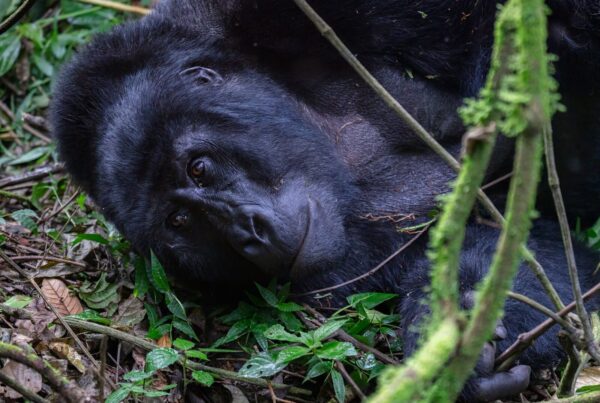
When the Uganda gorilla permit price increased to $800 per person, there was predictable pushback. Travellers who had planned trips at the previous price felt aggrieved. Tour operators worried about demand. Travel writers questioned whether Uganda was pricing itself out of reach. The concerns were understandable. They were also, in conservation terms, largely misplaced. The permit price increase was, in the medium and long term, one of the better decisions Uganda’s conservation system has made.
The Economics of Conservation Pricing
The fundamental economics of conservation wildlife tourism are counterintuitive to anyone trained in conventional market economics. In a typical market, lower prices increase demand and higher prices reduce it. In conservation tourism, higher prices that come with lower visitor numbers can generate equal or greater total revenue while reducing the ecological impact of tourism on the species being conserved.
Mountain gorillas are sensitive to human presence and disease transmission. The one-hour contact time limit exists because prolonged exposure to humans stresses the gorillas and increases disease risk. Strict limits on the number of people per group (eight visitors plus guides and rangers) exist for the same reason. The permit price is the mechanism through which visitor numbers are controlled — by pricing at a level that limits total demand to the number of permits available.
If permit prices were set too low, permits would be oversubscribed and would need to be rationed by lottery or first-come-first-served systems that create their own problems. Higher prices ration access through the market, ensuring that the people who most value the experience — and who are typically more engaged with conservation and more careful in their behaviour during the trek — are those who attend.
Revenue Adequacy
The cost of protecting mountain gorillas has increased substantially over the past decade. Ranger salaries, training, equipment, veterinary care, research, and community benefit-sharing programmes all require sustained funding. Uganda’s gorilla population has grown — which is good news for conservation — but a larger population requires more monitoring, more rangers, and more management resources.
At lower permit prices, the revenue generated by gorilla trekking was insufficient to cover these expanding costs without supplementation from international conservation grants that were themselves uncertain and decreasing. The price increase brought permit revenue to a level that better covers the actual cost of sustainable gorilla conservation without dependence on external funding sources that come with their own conditions and instabilities.
The Rwanda Benchmark
Rwanda increased its gorilla permit price to $1,500 in 2017, significantly above Uganda’s price at the time. The predictions of doom — that demand would collapse, that trekkers would choose cheaper alternatives — did not materialise. Rwanda’s gorilla trekking programme remained oversubscribed, and the revenue increase funded substantial improvements in park management, community benefit-sharing, and conservation outcomes. The Rwanda experience demonstrated that demand for gorilla trekking is price-inelastic at the levels being charged — that the people who want to see gorillas badly enough to travel to East Africa will pay the market price.
Uganda’s increase to $800 still leaves it priced at roughly half the Rwanda rate for what is, in ecological terms, an equivalent or superior experience — Bwindi’s gorilla population is larger than Rwanda’s, the forest is wilder, and the experience is generally less polished and more genuine. The $800 price point is not the upper limit of what the market will bear; it is a conservative increase that left Uganda well below its closest competitor in price while substantially improving conservation funding adequacy.
Quality over Quantity
One of the least-appreciated effects of higher permit prices is the improvement in the quality of the visitor experience. Budget gorilla trekking, when prices were lower, attracted visitors who sometimes were not prepared for the physical demands of the trek or who treated the experience as a tick-box activity rather than a conservation encounter. At $800 per permit, the investment is significant enough that visitors typically prepare carefully, research thoroughly, and arrive with a level of engagement and seriousness that improves the quality of the experience for everyone — including the gorillas.
This is not a class argument about who “deserves” to see gorillas. It is a practical observation about the relationship between investment level and engagement quality. Someone who has spent $800 on a permit, made the journey to Uganda, and invested in a complete itinerary around the gorilla experience approaches the trek differently from someone who has wandered into a low-cost tourism product. The higher price filters for commitment and engagement, which is good for conservation outcomes.
The Community Benefit Connection
A higher permit price means higher revenue flowing through the Uganda Wildlife Authority’s community benefit-sharing programme. The communities adjacent to Bwindi that receive a portion of permit revenue benefit directly from higher permit prices — more schools built, more healthcare facilities supported, more community infrastructure funded. The price increase was not just good for gorilla conservation; it was good for the communities whose cooperation makes that conservation possible.
Community buy-in for gorilla conservation depends on communities believing that the economic benefits of conservation are real and growing. A permit price that generates insufficient community benefit funding undermines this belief; a higher price that produces visible community investment reinforces it. The price increase strengthened the conservation-community alliance that is the foundation of Bwindi’s conservation success.
The current $800 price is the right price for 2027. It may increase further — conservation costs continue to grow, demand remains strong, and the precedent set by Rwanda suggests that the market will absorb increases at this level without significant demand destruction. For travellers considering a gorilla trek, the relevant message is straightforward: the current price funds outstanding conservation, and it may not be lower in future years. Booking now is the prudent choice.
Frequently Asked Questions
The standard gorilla trekking permit costs $800 per person for foreign non-residents (FNR). EAC foreign residents pay $700. During low season — April, May, and November — the FNR rate drops to $600. The Gorilla Habituation Experience permit (4 hours, Rushaga sector only) costs $1,800 per person.
Permits are issued by Uganda Wildlife Authority (UWA). Most visitors book through a licensed Uganda tour operator, who handles the UWA reservation, permit transfer, and sector logistics. Direct booking via the UWA eTourism portal is available but operators handle the complexity of sector assignment and date changes.
During peak season (June–September, December–February): book 3–6 months ahead. During low season (April, May, November): 4–8 weeks is usually sufficient. The AFCON 2027 period (June–July 2027) will see unusually high demand — book at least 6 months ahead for any date in that window.
UWA gorilla permits are non-refundable but can be rescheduled to another date subject to availability and sufficient advance notice. Your tour operator handles this process. Travel insurance that covers trip cancellation and curtailment is strongly recommended for all Uganda gorilla bookings.
Yes. The permit price is set by Uganda Wildlife Authority and is fixed regardless of which operator you use. No operator can offer a discount on the $800 permit — only their service fees (accommodation, transport, guiding) vary between companies.