TALK TO AN EXPERT +256 716 068 279 WHATSAPP OPEN NOW.
Travel Logistics & FAQs

Gorilla Trekking Uganda: Where Does the Permit Fee Actually Go

By May 24, 2026August 27th, 2026No Comments7 min read

Home / Travel News, Stories & Tips / Travel Logistics & FAQs / Gorilla Trekking Uganda: Where Does the Permit Fee Actually Go

When you pay $800 for a Uganda gorilla trekking permit, the money does not go into a single account and sit there. It flows through a structured system designed to fund gorilla conservation, park management, and community development simultaneously. Understanding where the money goes is not just an interesting fact — it is one of the strongest arguments for the permit’s value and for choosing gorilla trekking as a form of travel.

The Uganda Wildlife Authority

The Uganda Wildlife Authority (UWA) is the government body responsible for managing Uganda’s national parks, including Bwindi Impenetrable National Park and Mgahinga Gorilla National Park where gorilla trekking takes place. Gorilla permit revenue is the UWA’s primary source of income and funds the organisation’s core operations: ranger salaries, anti-poaching activities, park infrastructure, wildlife monitoring, and the administrative costs of running a complex conservation institution.

UWA employs several hundred rangers and staff across the Bwindi landscape alone. These are trained professionals who conduct daily gorilla monitoring, patrol park boundaries for poaching activity, manage visitor operations, and respond to wildlife emergencies. The ranger workforce is funded almost entirely by gorilla permit revenue. Without the $800 permits, the rangers do not get paid. Without paid rangers, the gorillas are unprotected.

The Community Revenue Sharing Programme

A significant portion of gorilla permit revenue — currently 20% of all park revenue, with additional allocations above that threshold — is directed to the Community Revenue Sharing (CRS) programme administered by UWA. This programme distributes funds to communities adjacent to Bwindi and Mgahinga for local development projects chosen by the communities themselves.

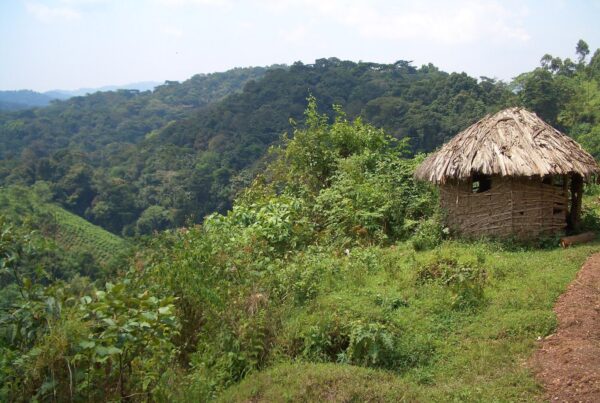
In practice, CRS funds have built schools, healthcare facilities, water systems, pit latrines, community halls, and road improvements in communities around the parks. The communities that benefit from these investments are the same communities that bear the costs of living adjacent to a national park — crop raiding by wildlife, land use restrictions, restricted access to forest resources. The CRS is designed to make the park economically beneficial to these communities in concrete, visible ways that build local support for conservation.

How CRS Funds Are Allocated

Community revenue sharing funds are managed through parish-level committees that propose projects, receive fund allocations, and oversee implementation. This decentralised management keeps the decisions close to the affected communities and reduces the bureaucratic distance between the revenue source (your permit) and the local benefit (the school or water tap). The system is imperfect — implementation quality varies, and the amounts reaching any individual community are modest relative to conservation revenue generated — but the principle and the practice represent a genuine attempt to align conservation and community interests.

Research and Monitoring

Mountain gorilla conservation depends on continuous scientific research. The daily monitoring of habituated gorilla families, the health surveillance programme, the population census conducted periodically across the entire mountain gorilla range, and the ongoing behavioural and ecological research that informs conservation management are all funded in part by permit revenue channelled through UWA and through the conservation NGOs that UWA partners with.

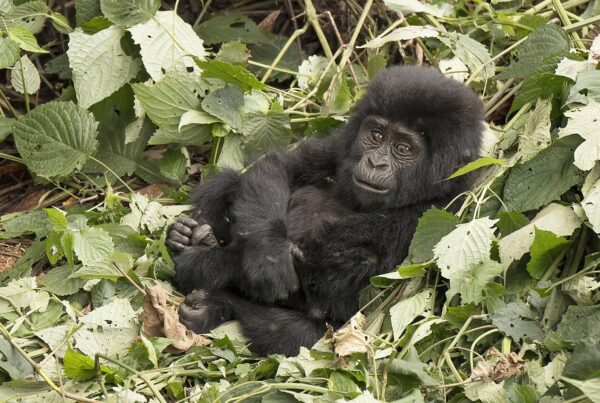
The research investment has paid off. The mountain gorilla population has grown from approximately 620 individuals in 2008 to over 1,000 today — one of the very few cases in the world where a critically endangered species’ population has increased during the period of conservation intervention. This outcome did not happen by accident. It is the product of funded, professional, evidence-based conservation management, sustained over decades by permit revenue from visitors like you.

Veterinary Care

Mountain gorillas are susceptible to human respiratory diseases, and the habituated families that participate in trekking require veterinary monitoring and occasionally medical intervention. The Gorilla Doctors programme, a field veterinary service operating across the mountain gorilla range, provides medical care for individual gorillas and monitors the health of all habituated groups. This service is funded through a combination of gorilla permit revenue and international conservation funding. It has saved multiple individual gorillas from injuries, snare entanglement, and respiratory illness that would otherwise have been fatal.

Habituation: The Long Investment

The habituated gorilla families that you visit took years of sustained daily contact to prepare for tourism. Habituation requires field teams who spend every day with a wild gorilla family for one to two years, gradually accustoming the gorillas to human presence until they are calm enough for tourist visits. This process is expensive and entirely funded by conservation budgets — which in turn depend on permit revenue from the groups already habituated. Your $800 permit contributes to the system that is currently habituating the next generation of gorilla families, expanding the programme’s capacity to support future trekkers and future conservation funding.

The Multiplier Effect

The $800 permit generates economic activity well beyond its face value. Tour operators, guides, porters, lodge owners, transport companies, craft sellers, and local food producers all benefit from the presence of gorilla trekkers. Research suggests that each gorilla permit generates several times its face value in total economic activity in the local economy. The $800 you pay creates a multiplier of conservation funding, community income, and local business revenue that extends far beyond the immediate transaction.

This is why gorilla trekking is widely cited as one of the most effective forms of conservation tourism ever developed: the alignment of financial incentives, conservation outcomes, and community benefit is genuinely strong. When you pay $800 for a gorilla permit, you are not just buying access to an extraordinary experience. You are participating in a funding system that, imperfectly but genuinely, is keeping mountain gorillas alive.

Frequently Asked Questions

How much does a Uganda gorilla trekking permit cost?

The standard gorilla trekking permit costs $800 per person for foreign non-residents (FNR). EAC foreign residents pay $700. During low season — April, May, and November — the FNR rate drops to $600. The Gorilla Habituation Experience permit (4 hours, Rushaga sector only) costs $1,800 per person.

How do I book a Uganda gorilla trekking permit?

Permits are issued by Uganda Wildlife Authority (UWA). Most visitors book through a licensed Uganda tour operator, who handles the UWA reservation, permit transfer, and sector logistics. Direct booking via the UWA eTourism portal is available but operators handle the complexity of sector assignment and date changes.

How far in advance should I book a gorilla trekking permit?

During peak season (June–September, December–February): book 3–6 months ahead. During low season (April, May, November): 4–8 weeks is usually sufficient. The AFCON 2027 period (June–July 2027) will see unusually high demand — book at least 6 months ahead for any date in that window.

Can a gorilla trekking permit be refunded or rescheduled?

UWA gorilla permits are non-refundable but can be rescheduled to another date subject to availability and sufficient advance notice. Your tour operator handles this process. Travel insurance that covers trip cancellation and curtailment is strongly recommended for all Uganda gorilla bookings.

Is the gorilla permit price the same for all operators?

Yes. The permit price is set by Uganda Wildlife Authority and is fixed regardless of which operator you use. No operator can offer a discount on the $800 permit — only their service fees (accommodation, transport, guiding) vary between companies.

Ready to experience Uganda’s mountain gorillas in 2026? Secure your gorilla permits early and let us craft a seamless safari tailored to your travel style, preferred trekking sector, and accommodation level. From luxury lodges to well-designed midrange journeys, every detail is handled for you. Every itinerary is carefully planned to maximize your time in the forest while ensuring comfort, safety, and unforgettable encounters.

Have questions about gorilla permits, travel dates, or the best itinerary for you? Speak with a safari expert and get clear, honest guidance to plan your trip with confidence.

When is the last time you had an adventure? African Gorillas!!! Up Close With Uganda’s Wild Gorillas Touched by a Wild Gorilla: An Unforgettable Encounter Inside Gorilla Families: Bonds, Hierarchies & Jungle Life Face to Face With a Silverback: The Wild Encounter You’ll Never Forget