Updated
What to Expect on Gorilla Trek Day: A Hour-by-Hour Guide
The Day That Changes Everything
What to Expect on Gorilla Trek Day: A Hour-by-Hour Guide The Day That Changes Everything Gorilla trek day is the culmination of months of planning, anticipation, and preparation. Gorilla trek day is the culmination of months of planning, anticipation, and preparation. It is a day that will be etched in your memory for the rest of your life, regardless of how the encounter unfolds. But the day itself follows a predictable structure that, once understood, allows you to navigate each phase with confidence rather than uncertainty. Knowing what happens hour by hour removes anxiety, helps you prepare mentally, and ensures that you do not miss important details in the excitement of the moment.
This guide walks through a typical gorilla trekking day from the moment your alarm rings to the moment you return to your lodge, exhausted, exhilarated, and transformed. It covers the pre-trek briefing, the hike through the forest, the gorilla encounter itself, and the return journey, offering practical advice for each phase and explaining why certain procedures exist.
Before Dawn: Preparation and Departure
Most trekkers wake between five and six in the morning, depending on the distance from their lodge to the briefing point. The early start is necessary because gorilla treks depart promptly at eight or eight-thirty, and you need time for breakfast, travel, and preparation before then. The forest is also more active in the morning, increasing the chances of finding gorillas before they settle into their midday rest.
Breakfast at your lodge is typically available from six o’clock onwards. Eat a substantial but easily digestible meal. Porridge, eggs, toast, and fruit provide sustained energy without heaviness. Avoid excessive coffee if you are prone to dehydration or if your stomach is sensitive. Drink water, but not so much that you will need frequent bathroom breaks during the trek.
Dress in layers. Mornings in Bwindi are cool, often twelve to fifteen degrees Celsius, but temperatures rise as the day progresses and physical exertion generates body heat. Your base layer should wick moisture. Your outer layer should be waterproof. Wear your sturdiest hiking boots, broken in and comfortable. Pack your daypack with water, snacks, rain gear, camera, and permit documents.
The Pre-Trek Briefing: Seven to Eight in the Morning
Arrive at the briefing point by seven o’clock. Rangers verify your permit and passport, checking that names match and that you meet the minimum age requirement of fifteen years. The health declaration asks about recent illness, particularly respiratory symptoms, diarrhoea, or other conditions that could pose disease transmission risks to gorillas. Answer honestly. If you are ill, you will be excluded from the trek without refund. This is not cruelty; it is essential protection for the gorillas.
The briefing itself lasts approximately thirty minutes. Rangers explain the rules: maintain seven metres distance from gorillas, no flash photography, no eating or drinking near gorillas, no touching vegetation that gorillas may touch, and follow guide instructions at all times. They describe what to expect during the encounter and what behaviours indicate that a gorilla is uncomfortable with your presence.
You are assigned to a gorilla family based on your fitness level, preferences expressed during booking, and group composition. If you have specific concerns about physical demands, mention them now. Rangers can assign you to a family that is typically closer to the trailhead or on easier terrain.
The Hike to Find Gorillas: Eight to Twelve O’Clock
The trek begins from the briefing point, walking through community land to the forest edge. This initial phase takes fifteen to forty minutes and serves as a warm-up for the more challenging forest hiking ahead. Your guide sets a pace that the group can sustain, with rest stops as needed. Porters assist those who have hired them, carrying packs and offering a steadying hand on difficult sections.
Entering the forest transforms the experience. The temperature drops, the light changes, and the sounds of the outside world fade into the background noise of insects, birds, and wind in the canopy. The trail becomes narrower, steeper, and more demanding. Your guide and trackers communicate by radio with advance trackers who have been following the gorilla family since before dawn.
The duration of this hiking phase varies enormously. Some treks reach gorillas within thirty minutes of entering the forest. Others require three or four hours of strenuous hiking. The average is approximately two to three hours. During this time, your adrenaline and anticipation build, but so does physical fatigue. Pace yourself, drink water regularly, and use the rest stops to recover.
The Gorilla Encounter: One Precious Hour
The moment trackers signal that gorillas are nearby transforms the atmosphere. Guides brief the group one final time on behaviour rules. You leave your backpack and walking sticks with porters, taking only your camera and a sense of wonder. The approach is slow, quiet, and controlled.
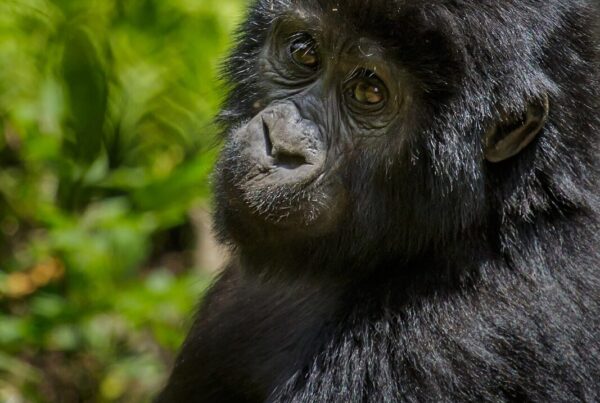
The first sighting is almost always overwhelming. However many photographs you have seen, however many documentaries you have watched, nothing prepares you for the reality of a wild mountain gorilla metres away. The size, the musculature, the intelligence in the eyes, the sheer presence of these creatures defies anticipation. Many trekkers report tears, trembling, or speechlessness in the first moments.
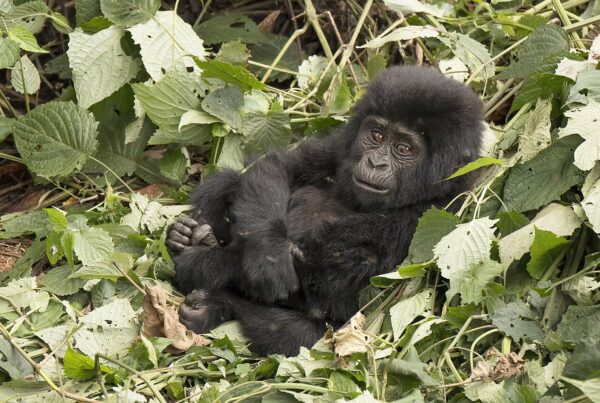
Your guide positions the group for optimal viewing and photography. The hour passes with extraordinary speed. You may see feeding, grooming, play, rest, or social interaction. Juveniles tumble through the undergrowth. Mothers cradle infants. Silverbacks monitor the group with regal authority. Each family has its own dynamics, its own characters, its own story unfolding before you.
Guides monitor the time carefully, and when the hour concludes, they begin the withdrawal process. This is not abrupt. The group slowly retreats, maintaining calm and quiet to avoid disturbing the gorillas. The departure is bittersweet, a return to ordinary life after an extraordinary interlude.
The Return Hike and Certificate Presentation
The hike back to the trailhead is often harder than the approach because fatigue has accumulated and the emotional peak has passed. Your muscles, warmed during the morning, may stiffen during the stationary hour with gorillas. The return journey takes approximately one to two hours, depending on the route and your pace.
Back at the briefing point, rangers present certificates of participation, a tangible souvenir of your encounter. Some trekkers treasure these certificates; others find them trivial compared to the memory itself. Regardless, the ceremony marks the formal conclusion of your trekking experience.
Return to your lodge for a late lunch, a hot shower, and the profound satisfaction of having accomplished something extraordinary. Many trekkers describe this afternoon as a time of emotional processing, reviewing photographs, and sharing stories with fellow guests. The fatigue is deep but satisfying, the exhaustion of effort rewarded by wonder.
Final Thoughts
Gorilla trek day follows a structure that is predictable in its sequence but extraordinary in its content. The briefing, the hike, the encounter, and the return are the same for every trekker. But the gorillas are wild, the forest is alive, and no two encounters are identical. Your trek day will be yours alone, shaped by the family you meet, the weather you encounter, and the emotions that arise within you.
When you lie in bed that night, muscles aching, mind replaying the silverback’s gaze, you will understand why this experience commands the prices it does, demands the preparation it requires, and occupies the imagination of travellers worldwide. You did not merely observe gorillas. You entered their world, however briefly, and returned changed. That transformation, which no certificate can capture and no photograph can fully convey, is the true gift of gorilla trek day.