Updated
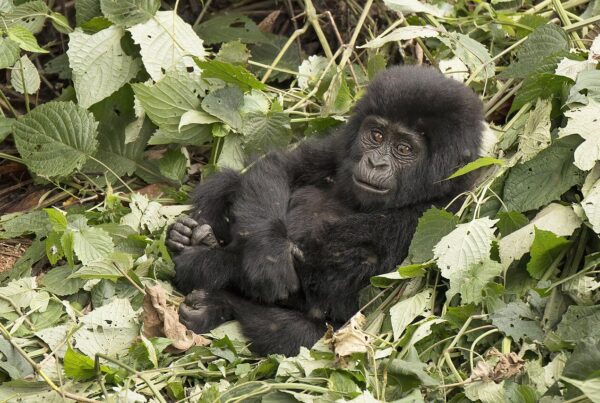
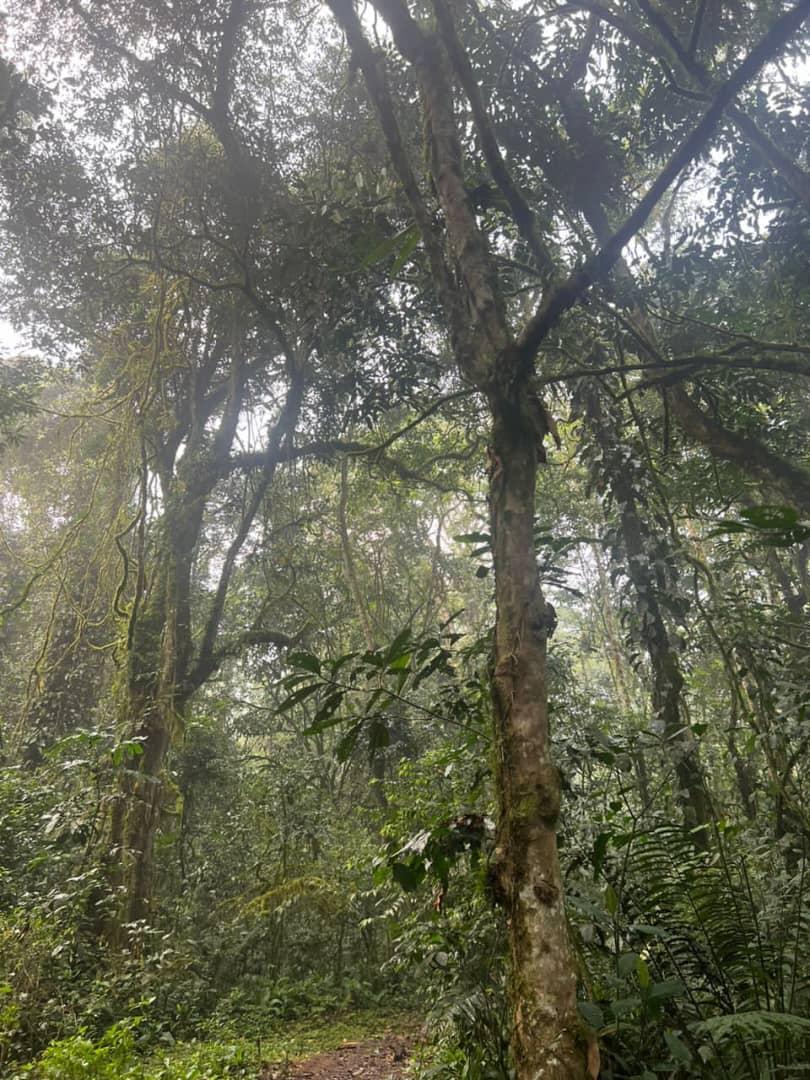
Bwindi forest climate East Africa rainfall watershed is one of Uganda’s outstanding natural or cultural attractions, drawing visitors in search of wildlife, scenery, and authentic African experiences. Bwindi Impenetrable National Park covers approximately 331 square kilometres of ancient mountain rainforest in south-western Uganda. It is small by African forest standards — a fragment at the edge of a much larger Congo Basin forest ecosystem. But its ecological significance is disproportionate to its size. It holds half of the world’s mountain gorilla population. It has more tree species per hectare than any other forest in East or Central Africa. And its role in the local and regional climate system of south-western Uganda and the surrounding East African highlands makes its protection a matter of practical consequence for millions of people who will never see a gorilla.
What the Loss of Bwindi Forest Would Mean for East Africa’s Climate
What Bwindi Does for Local Climate
Bwindi sits at altitude on the western edge of the Albertine Rift escarpment, at elevations between 1,160 and 2,607 metres above sea level. At this altitude, the forest intercepts moisture from the atmosphere — moisture carried from the Congo Basin by the prevailing winds — and releases it as rainfall through both direct precipitation and transpiration. The forest creates and maintains a microclimate of higher moisture, lower temperatures, and more reliable rainfall than the surrounding agricultural landscape.
Research on deforestation impacts in mountain forest environments consistently shows that the loss of forest cover at altitude leads to reduced rainfall in the immediately surrounding lowlands. The mechanism is the disruption of the evapotranspiration cycle: without trees to release moisture into the atmosphere, the local rainfall input from the forest drops. In a landscape where smallholder farmers depend on reliable rainfall for subsistence crops, this reduction has direct food security consequences.
The Watershed Function
Bwindi is the headwater catchment for several rivers that supply water to communities in Kanungu and Rukungiri districts. The forest regulates stream flow — absorbing heavy rainfall and releasing it slowly rather than allowing it to run off immediately — which prevents both flooding in wet seasons and stream drying in dry seasons. Deforestation of the Bwindi catchment would increase flood risk during the rainy season and reduce dry-season flow, with consequences for drinking water availability, irrigation, and aquatic biodiversity in the downstream rivers.
The communities immediately surrounding Bwindi — approximately 30,000 to 40,000 people in the buffer zone parishes — depend on these streams for domestic water. The forest’s continued existence is not, from their perspective, primarily a wildlife conservation question. It is a water supply question. The gorillas that live in the forest are ecologically significant, but the forest itself is a piece of infrastructure for the human communities that surround it.
The East African Regional Dimension
Bwindi is one component of a larger forest system along the Albertine Rift escarpment. The Bwindi-Sarambwe ecosystem connects to the Virunga Massif forests that extend into Rwanda and DRC. Together, these highland forests form a corridor of relatively intact montane vegetation that moderates climate across a broad area of the East African highlands. The loss of Bwindi specifically would fragment this corridor, reduce the total forest area available for moisture cycling, and potentially affect rainfall patterns across a region that includes parts of Uganda, Rwanda, and the DRC.
Modelling studies of the effects of forest loss in the Albertine Rift region are limited compared to the more extensively studied Amazon or Congo Basin, but the available evidence suggests that cumulative forest loss across the Albertine Rift would reduce regional rainfall by a measurable amount and increase the variability and unpredictability of rainfall — an effect that is particularly damaging for smallholder agriculture, which depends on reasonably predictable seasonal patterns.
Why Bwindi Remains Intact
Bwindi’s deforestation rate is among the lowest of any forest in its surrounding landscape. Satellite imagery shows the park’s forest boundary holding firmly while agricultural land use intensifies on all sides. The primary mechanism for this protection is the Uganda Wildlife Authority’s ranger force, funded substantially by gorilla trekking permit revenue. The $800 USD permit price for international visitors in 2027 generates income that pays ranger salaries, maintains patrol vehicles, and funds the community programmes that give boundary communities a financial stake in the park’s continued existence.
The climate and watershed services that Bwindi provides — services that benefit hundreds of thousands of people in the surrounding districts — are maintained because of the economic value that gorilla tourism creates. Visitors who come to see the gorillas are, without necessarily realising it, also paying for the forest that manages rainfall, regulates streams, and moderates the local climate. The gorillas are the visible beneficiaries of the permit revenue. The water system of south-western Uganda is the invisible one.
The Stakes
The loss of Bwindi forest — which would follow quickly from the loss of funding for its protection — would mean the loss of the mountain gorilla population it contains. It would also mean changed rainfall patterns, disrupted watersheds, and reduced water security for the communities that surround it. The gorilla is the symbol. The forest is the system. They are inseparable, and the tourism that protects the gorilla is also the mechanism that protects everything the forest provides.