Why Clothing Matters for Gorilla Trekking
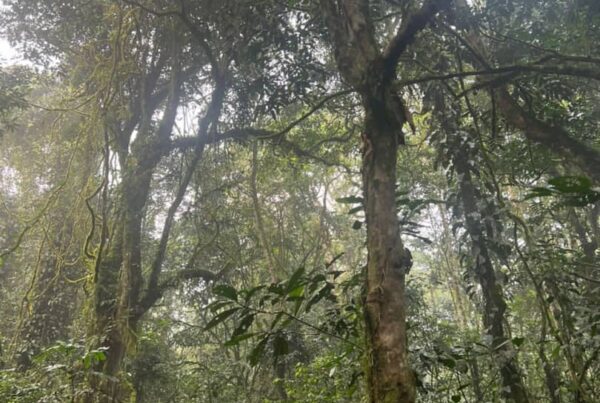
The Bwindi Impenetrable Forest is not a forgiving environment. Its name exists for a reason. The terrain is steep, the vegetation is thick and often armed with thorns and stinging nettles, and the weather shifts from warm sunshine to cold drizzle in minutes. What you wear directly affects your comfort, safety, and ability to enjoy the experience.
Over years of observing trekkers, UWA rangers and experienced guides have identified consistent clothing mistakes that turn what should be a life-changing encounter into a miserable slog. This guide covers what not to wear and, more importantly, what to wear instead.
The 10 Clothing Mistakes to Avoid
1. Shorts and Short-Sleeved Shirts
Perhaps the most common mistake among first-time trekkers arriving from warm climates. Bwindi may be near the equator, but the forest floor is a different world. Stinging nettles line the trails, thorny vines reach across paths, and ants are abundant. Exposed skin becomes a target.
What to wear instead: Long trousers and long-sleeved shirts made from lightweight, quick-dry fabric. They protect against nettles, thorns, and insects while wicking sweat during the uphill climb.
2. Denim Jeans
Denim seems durable, but it’s a terrible choice for gorilla trekking. When denim gets wet and it will get wet from sweat, dew, or rain it becomes heavy, cold, and takes forever to dry. The stiffness restricts movement on steep slopes, and wet denim chafes mercilessly during long hikes.
What to wear instead: Trekking trousers made from synthetic blends or lightweight hiking pants. Many experienced trekkers swear by convertible pants that zip off at the knee for the drive to the park, then convert to full-length for the trek.
3. Cotton Clothing
Cotton absorbs moisture and holds it against your skin. In Bwindi’s humid environment, cotton shirts become soaked with sweat within the first hour. Once wet, cotton loses its insulating properties, leaving you cold and clammy during rest stops or rain showers.
What to wear instead: Moisture-wicking synthetic fabrics or merino wool. These materials pull sweat away from your skin and dry quickly, maintaining comfort throughout the trek.
4. Open-Toed Shoes or Sandals
This seems obvious, but every season, someone shows up in sandals or running shoes. Bwindi’s trails are uneven, muddy, and occasionally require scrambling over roots and rocks. Open toes invite injury, and inadequate footwear leads to twisted ankles and blisters.
What to wear instead: Sturdy, waterproof hiking boots with ankle support. Break them in before your trip; brand-new boots on trek day are a recipe for blisters. Many trekkers bring gaiters to keep mud and debris out of their boots.
5. Dark-Coloured Clothing
Dark colours like black and navy attract tsetse flies, which are present in some areas around Bwindi. While tsetse bites are not disease-transmitting in this region, they’re painful and annoying. Dark clothing also absorbs more heat during the hike to the briefing point.
What to wear instead: Neutral earth tones like khaki, olive, brown, or forest green. These colours blend with the environment, don’t attract insects, and don’t show dirt as obviously.
6. Bright or Fluorescent Colours
While dark colours have their problems, bright colours present different issues. Bright oranges, reds, and yellows can startle wildlife and are discouraged by UWA. They also make you more visible to insects and, aesthetically, clash with the forest environment.
What to wear instead: Stick to muted, natural colours that blend with the forest. This isn’t about fashion; it’s about minimising your visual impact on the gorillas and other wildlife.
7. Perfumes and Scented Products
Gorillas have an exceptionally acute sense of smell. Strong perfumes, scented deodorants, or aftershaves can disturb them, alter their behaviour, or even trigger defensive responses from protective silverbacks. Scents also attract insects.
What to use instead: Unscented deodorant and toiletries. Skip the cologne entirely on trek day. The forest has its own rich aromas; you don’t need to add to them.
8. Expensive Jewellery and Watches
Valuables have no place in the forest. You’ll be scrambling through vegetation, balancing on uneven terrain, and occasionally using both hands to pull yourself uphill. Rings scratch gorillas if you accidentally touch vegetation they also touch, necklaces swing and catch on branches, and watches can be damaged by moisture and impacts.
What to do instead: Leave jewellery at your lodge. If you need a watch, wear a cheap, water-resistant sports watch. Many trekkers simply use their phone’s clock, kept safely in a sealed plastic bag.
9. Inadequate Rain Protection
Bwindi’s weather is famously unpredictable. A clear morning can become a torrential downpour within minutes. Trekkers who assume they’ll stay dry often end up soaked, cold, and miserable.
What to wear instead: A quality waterproof rain jacket or poncho. Ponchos are popular because they cover your backpack too. Whichever you choose, ensure it’s breathable to prevent sweating underneath. Pack it even if the sky looks clear at dawn.
10. Camouflage or Military-Style Clothing
While camouflage might seem appropriate for a forest trek, it’s problematic in Uganda. Military-style clothing can be associated with armed groups in border regions, and UWA rangers may ask you to change. It also creates confusion with ranger uniforms.
What to wear instead: Standard hiking clothing in neutral, non-military colours. There’s no need to look tactical; you’re a tourist, not a commando.
The Complete Recommended Outfit
Based on the mistakes above, here’s what experienced trekkers wear:
- Top: Long-sleeved moisture-wicking shirt (neutral colour)
- Trousers: Lightweight hiking pants (convertible or full-length)
- Underwear: Moisture-wicking synthetic or merino wool
- Socks: Hiking socks, preferably merino wool (bring a spare pair in a waterproof bag)
- Boots: Waterproof hiking boots with ankle support, well broken-in
- Gaiters: To keep mud, water, and debris out of boots
- Gloves: Thin garden gloves or trekking gloves for gripping vegetation
- Hat: Wide-brimmed hat or cap with neck flap for sun and rain protection
- Rain gear: Waterproof jacket or poncho (packable)
- Layers: Light fleece or jacket for cold mornings and rest stops
Seasonal Considerations
Dry Season (June-September, December-February)
During dry season, trails are less muddy, but mornings are cold. Start with layers you can remove as the day warms. Sun protection becomes more important as canopy cover is thinner in some areas.
Wet Season (March-May, October-November)
Rain is frequent and trails are muddy. Waterproof everything is essential. Many trekkers bring a complete change of clothes in a waterproof bag for after the trek. Quick-dry fabrics are even more critical during wet season.
What the Rangers Notice
UWA rangers have seen every clothing mistake imaginable. They quietly assess each group during the briefing, and poorly dressed trekkers sometimes get concerned looks. Rangers know that inappropriate clothing leads to discomfort, distraction, and potential safety issues. When you’re focused on cold, wet, or painful skin, you’re not focused on the gorillas or the rangers’ instructions.
Conversely, well-prepared trekkers earn subtle nods of approval. Rangers appreciate visitors who respect the environment enough to prepare properly.
Practical Packing Tips
- Pack a spare set of clothes: Leave clean, dry clothes in your vehicle or lodge for after the trek
- Plastic bags are your friend: Pack electronics, spare clothes, and valuables in sealed bags
- Test your outfit before the trip: Wear your trekking clothes on a local hike to identify problems
- Don’t over-layer: You’ll generate significant body heat hiking uphill; dress cooler than the morning temperature suggests
- Bring a change of shoes: Comfortable sandals or slip-ons for the drive back to your lodge
Conclusion
What you wear for gorilla trekking is not a fashion statement; it’s functional equipment. The right clothing keeps you comfortable, safe, and focused on the extraordinary experience ahead. The wrong clothing turns a magical encounter into a test of endurance.
When you stand before a silverback in the misty forest, you won’t be thinking about your outfit. You’ll be absorbed in one of nature’s most profound moments. Make sure your clothing supports that moment rather than distracting from it. Dress smart, trek comfortably, and let the gorillas be the stars of the show.
Frequently Asked Questions
Essential: long trousers, long-sleeved shirt, sturdy ankle-high waterproof hiking boots, light waterproof jacket, gardening gloves. Neutral or dark colours are preferred — avoid bright colours. No fragrance products.
Pack light: 1.5–2 litres of water, snacks, rain jacket, camera, insect repellent, personal medication. Your main luggage stays at the lodge. Hire a porter — they carry your daypack and assist on steep terrain.
Not required. UWA rangers provide free wooden walking sticks at the sector briefing point. For Nkuringo sector’s steep descent, good ankle-support boots matter more than poles.
A versatile zoom in the 24–200mm range. A fast lens (f/2.8) handles low forest light. Flash is strictly prohibited. Shoot in RAW. Bring a rain cover — the forest is damp year-round.
Aim for under 5kg. Rangers provide sticks; a porter can be hired for 10–15 USD to carry your bag. The forest terrain is steep and the lighter you travel, the more you enjoy the trek.