Embracing the Rain in Bwindi’s Forest
Rain is not an exception in Bwindi Impenetrable National Park. It is a feature of the environment, as integral to the forest’s character as the trees themselves. Annual rainfall exceeds fourteen hundred millimetres, and brief showers can occur on any day of the year regardless of season. For gorilla trekkers, the question is not whether it will rain but how to respond when it does, and how to ensure that precipitation enhances rather than diminishes one of the most significant wildlife encounters on Earth.
This guide addresses the practical realities of trekking in rain, the emotional adjustments that rainy conditions require, and the unexpected gifts that wet-weather gorilla encounters can offer to those who arrive prepared and open-minded.
How Rain Affects the Trekking Experience
Rain transforms every aspect of gorilla trekking. Trails become muddy and slippery, requiring more careful foot placement and slower progress. Vegetation becomes wet, so every branch you push aside deposits water on your clothing. Visibility decreases as mist rises from the forest floor and rain softens the edges of everything you see. Sounds change; rain on the canopy creates a constant background noise that muffles other forest sounds.
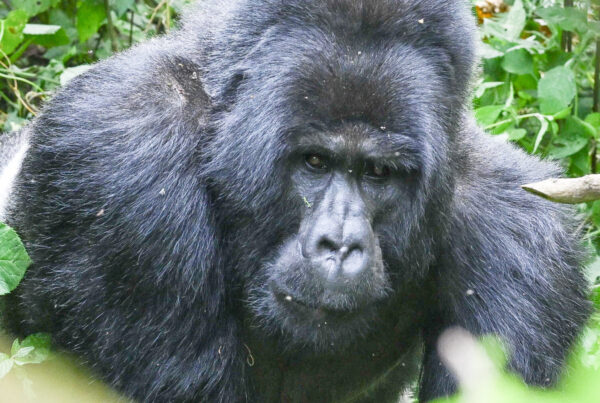
These changes are not merely inconveniences. They alter the quality of the encounter in profound ways. Wet gorilla fur takes on a different texture, darker and more defined, making individual animals easier to distinguish. The forest smells more intensely, releasing the earthy aromas of decomposing leaves and fresh vegetation. Water droplets on leaves create light effects that photographers find magical. And there is something undeniably atmospheric about watching gorillas in mist, their dark forms emerging from grey humidity like creatures from an older world.
Preparation for Wet Weather
The key to enjoying a rainy trek is preparation. Waterproof rain gear is essential, not optional. A quality rain jacket with sealed seams, or a trekking poncho that covers both you and your backpack, makes the difference between tolerable dampness and miserable soaking. Waterproof trousers add leg protection on very wet days. Gaiters keep rain and mud out of your boots.
Your daypack should include a waterproof liner or cover to protect spare clothing, electronics, and your permit documents. Ziplock bags are inexpensive and effective for phones, cameras, and batteries. A small quick-dry towel allows you to wipe water from your face, hands, and camera lens during rest stops.
Clothing choices matter in rain. Synthetic fabrics and merino wool retain insulating properties even when wet, while cotton becomes cold and heavy. Dress in layers that you can adjust as conditions change, and bring a complete change of dry clothes in a sealed bag for after the trek.
Safety Considerations in Wet Conditions
Rain increases certain risks during the trek. Slippery trails raise the chance of falls, particularly on steep descents. Guides typically slow the pace in wet conditions and choose routes that minimise exposure to hazardous sections. Follow their instructions carefully and do not attempt to maintain dry-weather speed on wet terrain.
Hypothermia is a genuine risk, particularly during prolonged rain at Bwindi’s elevations. Even in tropical Uganda, wet clothing combined with wind and temperatures in the mid-teens can lower body temperature dangerously if you stop moving for extended periods. Keep hiking to maintain body heat, and inform your guide immediately if you feel unusually cold, shivery, or confused.
Lightning is rare but possible during thunderstorms. If you hear thunder, your guide will assess whether to seek lower ground or shelter under dense canopy. Do not shelter under isolated trees, which attract lightning strikes.
How Gorillas Behave in Rain
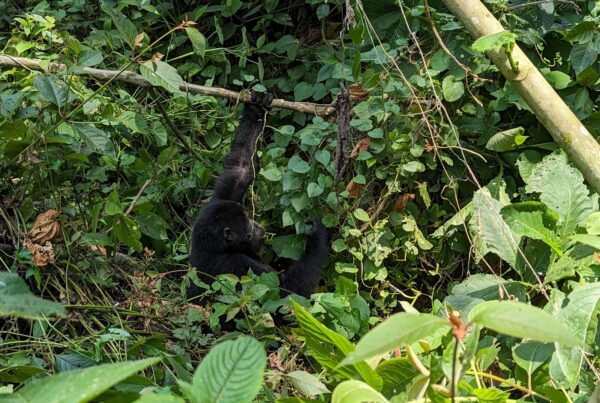
Gorillas do not retreat from rain. They continue feeding, interacting, and moving through their habitat regardless of weather. In fact, rain sometimes makes gorillas easier to locate because they tend to stay in more open areas rather than seeking dense shelter. Trackers report that rainy-day treks occasionally result in faster location times because gorilla movement patterns become more predictable.
The gorillas’ wet fur creates visual drama that dry-weather encounters lack. A silverback’s coat, normally silvery-grey, becomes dark and sleek when saturated, emphasising his massive musculature. Juveniles playing in puddles or shaking water from their fur provide moments of spontaneous comedy that no dry-weather script could replicate.
Photography in Rain
Rainy-day gorilla photography presents challenges and opportunities. The low, diffused light eliminates harsh shadows, creating soft, even illumination that flatters gorilla features. Mist adds depth and atmosphere to compositions. Water droplets on vegetation create bokeh effects that enhance backgrounds.
The challenges are equally real. Keeping your lens dry requires constant attention. Camera electronics are vulnerable to moisture despite weather sealing. Your hands may be cold and clumsy in wet gloves. The solutions are practical: use a lens hood to shield the front element, keep a microfiber cloth accessible, protect your camera in a waterproof cover when not shooting, and accept that some shots will be compromised by conditions.
The Psychology of Rainy Trekking
Perhaps the most important preparation for rain is psychological. Many trekkers arrive with an unconscious expectation of sunshine and dry trails, and rain feels like a betrayal of that expectation. Reframing rain as part of the authentic forest experience rather than an obstacle to it transforms your emotional response.
Experienced trekkers often describe rainy-day encounters as more memorable than dry-day ones precisely because the discomfort intensifies the sense of earned privilege. When you have hiked through mud and rain to reach the gorillas, the encounter feels more significant than if you had strolled to them on a pleasant path. The rain becomes part of the story you tell, a badge of commitment that distinguishes genuine wilderness experience from sanitised tourism.
Final Thoughts
Rain during gorilla trekking is not a problem to be solved but a condition to be embraced. With proper equipment, appropriate safety awareness, and a willingness to accept discomfort, rainy-day treks offer experiences that dry-day treks cannot replicate. The forest is never more alive than when rain is falling. The gorillas are never more visually striking than when their fur is darkened by water. And you are never more fully present than when you have surrendered the expectation of comfort and accepted the forest on its own terms.
Pack your rain gear, trust your guide’s judgment, and if the skies open as you enter Bwindi’s green depths, smile. You are about to see mountain gorillas in the conditions that shaped their evolution, their behaviour, and their very existence. That is not misfortune. That is authenticity.