Updated
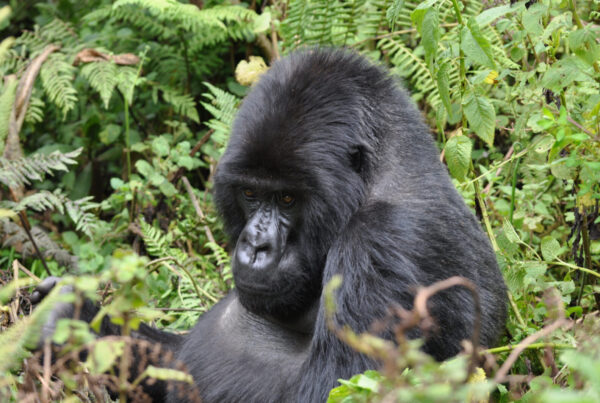
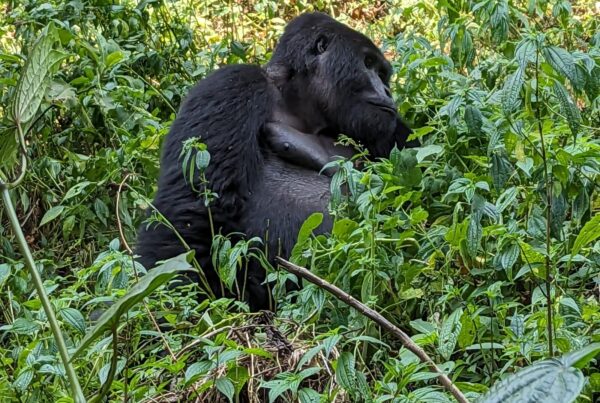
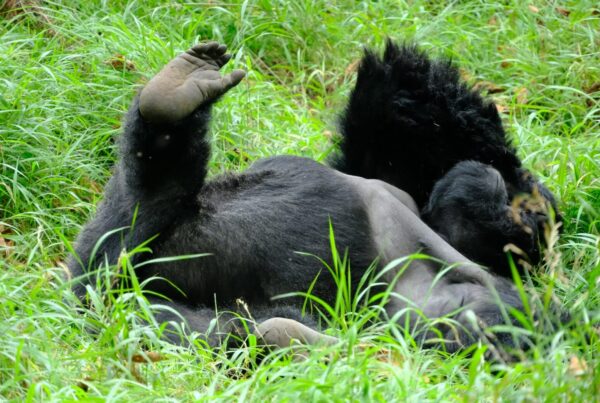
The Habinyanja family at Buhoma sector, Bwindi Impenetrable National Park, is one of the most studied gorilla groups in the world. With continuous monitoring since their habituation in the mid-1990s and over two decades of trekking visitor records, the Habinyanja family’s demographic data represents one of the longest continuous longitudinal records of a wild mountain gorilla group in existence. The 2023 population update — compiled from UWA annual monitoring reports and Gorilla Doctors health assessments — tells a story of a family that has grown, changed leadership, lost members to natural causes, and emerged in 2023 as a stable and growing group.
The Group in 2020
At the beginning of 2020 the Habinyanja family numbered approximately twenty-eight individuals: a dominant silverback, three subordinate males at various stages of maturity, seven adult females, several juveniles, and four infants. The dominant silverback had held his position for approximately six years and was in his physical prime — an experienced, calm male whose approach to group leadership the guides at Buhoma described as distinctive in its combination of authority and tolerance.
The COVID-19 pandemic and the associated suspension of gorilla trekking from March 2020 to mid-2021 affected the Habinyanja group’s tourism revenue but not their biological trajectory. Monitoring continued throughout the closure, funded by emergency conservation grants and by the contributions of international conservation organisations that maintained ranger and tracker salaries during the tourism hiatus.
Changes Between 2020 and 2023
Between 2020 and 2023 the Habinyanja family experienced the following documented changes: four births (three surviving to twelve months), one death of an elderly female from natural causes, the departure of one blackback who became a solitary male (subsequently monitored in the eastern sector), and a group fission event in 2022 in which a subordinate silverback departed with two females to establish an independent group. This fission reduced the Habinyanja group from approximately thirty to approximately twenty-six members, with the new sub-group establishing its own range in the Buhoma sector’s northern area.
The 2022 fission was managed with the now-standard monitoring protocols that track both the original and departing groups during the potentially volatile transition period. The departing silverback and his two females were monitored continuously; the new sub-group’s movements were recorded and its eventual settlement in a stable home range confirmed by the end of 2022.
The Group in 2027
The Habinyanja family in 2027 numbers approximately twenty-six individuals. The dominant silverback continues to lead the group. The four infants born between 2020 and 2023 are now juveniles — identifiable to experienced guides by age, size, and individual markings. The fission sub-group, now called the Habinyanja B group informally by researchers, is in the process of official habituation review and may become a second trekking group in the Buhoma sector in the coming years.
Gorilla trekking in Uganda at Buhoma in 2027 takes visitors to a family whose history can be traced, documented, and described in the specific detail that three decades of continuous monitoring allows. The gorilla permit costs $800. The family has been observed for longer than some of the guides have been alive.
Family Population Dynamics at Bwindi
The Habinyanja family’s population history is representative of the volatility that characterises habituated gorilla family demographics over multi-year periods. Births, deaths, and male dispersal events create census fluctuations that the monitoring teams document but that the day-to-day consistency of the trekking programme can obscure for regular visitors. A family that had 18 members when a visitor trekked in 2022 may have 15 or 22 members by 2025 — the number changing through processes that are both biologically normal (birth, infant development, successful recruitment of new females) and occasionally traumatic (injury, disease, inter-group conflict). UWA’s annual population survey, released each year, provides the formal update on all habituated families’ current composition, and the ranger briefing on the morning of the trek will typically include current information about the specific family’s most recent census.
The annual UWA mountain gorilla population survey provides the authoritative update on all habituated and non-habituated family compositions, including the Habinyanja family’s current membership. The survey’s release — typically in the first quarter of the following year — receives significant media coverage that tracks the population’s trajectory and updates the conservation narrative for the global audience that the mountain gorilla’s iconic status has created. Visitors who want to understand the specific family they are about to visit should read the most recent survey release before departure — the family’s documented history is publicly available through UWA communications and provides a context for the individual animals they will encounter.