Gorilla trekking by month — what to expect in every season
Gorilla trekking by month varies more than many visitors expect. The standard tourism narrative presents gorilla trekking as a year-round activity with two preferred “dry season” windows — which is accurate as far as it goes, but does not capture the genuine differences in experience that different months produce. The forest changes with the seasons. The gorillas change their behaviour. The light changes. The difficulty of the trek changes. And the quality of photography changes significantly. This month-by-month guide covers what the experience actually looks and feels like in every month of the year, based on the accounts of trekkers and the knowledge of Bwindi’s most experienced guides.
January and February: dry season clarity
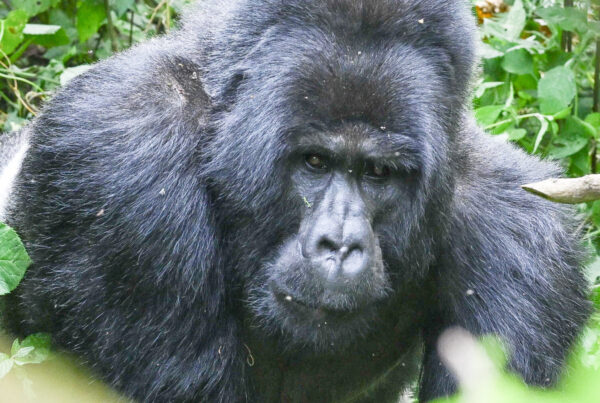
January and February fall in Bwindi’s first dry season, and the forest in these months has a quality that photographers consistently rate among the best of the year. The vegetation is drier and therefore more open in some areas, allowing better visibility into the undergrowth where the gorillas move and rest. The light, particularly in the early morning, is clear and directional — ideal for portrait photography. The trails are drier and firmer, making the trek physically less demanding than in the wet season. The temperature is cooler than at lower altitudes, particularly in the Ruhija and Nkuringo sectors, which can feel pleasantly cool in the morning and warm by midday. January and February are among the best months for the combination of photography quality and trekking comfort.
March and April: the long rains arrive
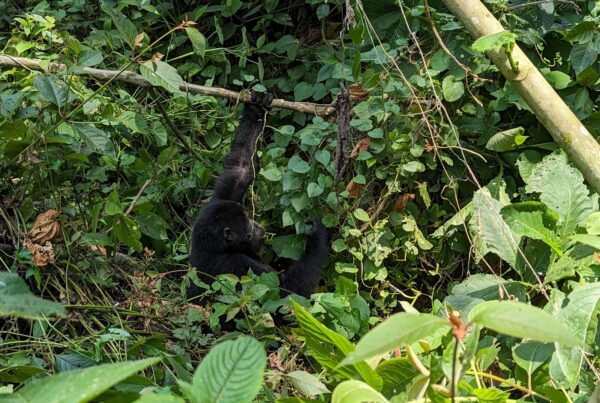
March marks the transition from dry season to the first wet season, and by April the rains are fully established. The forest transforms rapidly — new growth appears, the vegetation becomes denser and a richer, darker green, and the mist that fills the valleys in the early morning becomes more persistent and more atmospheric. Trekking in March and April is harder than in the dry months — the trails are muddier, the undergrowth is wetter, and rain can arrive suddenly and last for hours. Photography in the wet season requires a waterproof cover for the camera and acceptance that some encounter conditions will be less ideal than in the dry season. In compensation, the forest itself is at its most beautiful and atmospheric, and encounter conditions that include mist and rain often produce photographs of unusual mood and quality.
May: deepest wet season
May is typically the wettest month in Bwindi’s annual cycle, and treks in May are likely to involve significant mud, intermittent rain during the encounter, and the most physically demanding conditions of the year. Permit availability is higher in May than in any other month — most first-time visitors avoid it — which means that trekkers willing to brave the conditions encounter fewer competing groups and a more remote atmosphere. The forest in May is extraordinarily alive: the sounds of rain in the canopy, the swollen rivers, the richness of the vegetation, and the mist that closes in around the encounter create conditions that experienced trekkers describe as the most genuinely wild and immersive of the year.
June, July, and August: peak dry season
The second dry season — June through August — is the most popular period for gorilla trekking and produces the highest demand for permits. The combination of dry, firm trails, good light, cooler temperatures, and lower likelihood of rain during the encounter makes these months the most comfortable for the majority of visitors. Photography conditions are typically excellent. The gorilla families, undisturbed by unusual weather, maintain their normal daily routines with a predictability that makes encounters reliable and extended. The trade-off is higher visitor numbers and lower permit availability — booking for these months requires advance planning of 3 to 6 months or more.
September and October: shoulder season
September and October mark the transition back to wet season, but the rains in this period are typically lighter and less consistent than in March through May. Permit availability is better than in the peak dry season, and the forest is transitioning from the dry season’s drier, more open character to the wet season’s lush density. September and October offer a balance of reasonable conditions, better permit availability, and the visual richness of a forest in transition — a combination that experienced trekkers often rate highly.
November and December: second wet season and dry season return
November is typically the second-wettest month, but by December the short dry season is beginning to establish, and December through February represents the second dry season window. December trekking combines improving conditions with the end-of-year travel season, creating higher demand for permits than the preceding months. The forest in December, transitioning from wet to dry season, has a layered beauty — the richness of the wet season vegetation combined with improving light quality and drier trails. The last dry season of the year, like the first, offers excellent photography conditions and comfortable trekking, and the holiday travel season makes December particularly popular for family and multi-generational gorilla trekking trips.
Summary: which month is best for you?
The honest answer to “when should I go?” is: it depends on what you prioritise. For photography quality and trekking comfort, June through August and January through February are the optimal windows. For permit availability and fewer crowds, May or November offer the best access. For the most atmospheric, immersive experience of the forest itself, the wet season months produce conditions of unusual beauty and wildness. For the balance of reasonable conditions and better availability than peak season, September and October offer an undervalued window. The gorillas are there in every month, the forest is extraordinary in every season, and the encounter — however muddy or misty or perfect the conditions — will be among the most memorable experiences of your life.