We Share 98.3% DNA With Gorillas — And They’re Perfectly Healthy in Bwindi
The headline writes itself in a way that makes nervous travellers even more nervous: if humans and gorillas share 98.3 percent of their DNA, and there is a health situation affecting humans in Uganda, does that put the gorillas at risk? And if the gorillas are at risk, should you even consider visiting? These are fair questions. The answers, grounded in virology, primate biology, and the specific epidemiology of the current situation, are more reassuring than the questions suggest — and they reveal something remarkable about where mountain gorillas live and why that location matters enormously.
Understanding What 98.3% DNA Similarity Actually Means
The 98.3 percent figure refers to the similarity between human and mountain gorilla DNA sequences at the nucleotide level — the basic building blocks of the genetic code. This extraordinary closeness means that gorillas and humans are susceptible to many of the same pathogens. Gorillas can catch human respiratory viruses, which is why gorilla trekking rules require you to maintain an eight-metre distance and prohibit visits if you have a cold or flu. This susceptibility to shared diseases is precisely why conservation organisations invest so heavily in gorilla health monitoring and why veterinary teams are stationed near gorilla habitats.
However, DNA similarity does not translate uniformly across all diseases. Ebola virus disease in humans operates through specific biological mechanisms — receptor binding, immune evasion, viral replication pathways — that depend on precise molecular interactions. While gorillas in the Congo Basin have historically been vulnerable to Ebola (Ebola caused catastrophic mortality in western and central African gorilla populations in the 1990s and 2000s), the specific situation relevant to Uganda’s mountain gorillas in Bwindi is entirely different for geographical and epidemiological reasons.
Why Bwindi’s Gorillas Are Not at Risk From Uganda’s Current Situation
The mountain gorillas of Bwindi Impenetrable National Park live in a geographically isolated forest in the extreme southwest of Uganda. They have no contact with gorilla populations in the Congo Basin, where historical Ebola-related gorilla mortality occurred. Their range is confined to the park’s 321 square kilometres and the adjacent Virunga landscape shared with Rwanda and Uganda. The human populations they have limited contact with are the park rangers, researchers, and the small number of daily trekking visitors — all of whom are health-screened before entering the forest.
The areas of Uganda where any current health situation is active are hundreds of kilometres away from Bwindi. The gorillas in Bwindi have no exposure pathway to any health situation in central or northern Uganda. The forest itself acts as a natural buffer — gorillas do not travel to Kampala, and the people in contact with the gorillas are specifically selected and monitored for health status. The Mountain Gorilla Veterinary Project, which monitors gorilla health in both Bwindi and the Virungas, has not reported any disease concerns in the Bwindi population related to any current human health situation in Uganda.
The Gorilla Health Monitoring System
Mountain gorillas in Bwindi and the Virungas are among the most intensively monitored wild animals on earth. Each habituated group is followed by a tracker team every single day. Any change in behaviour, any signs of illness, any unusual mortality is immediately reported to the Mountain Gorilla Veterinary Project, which maintains a response team capable of intervening when gorilla health is at risk. This monitoring system was built specifically because gorillas are vulnerable to human diseases, and it functions as an early warning system that has successfully managed disease events in gorilla populations before they became crises. If the mountain gorillas of Bwindi showed any signs of illness related to any human health situation, the monitoring system would detect it and the park would respond accordingly. There are currently no such reports.
The Remarkable Health of Bwindi’s Gorilla Population
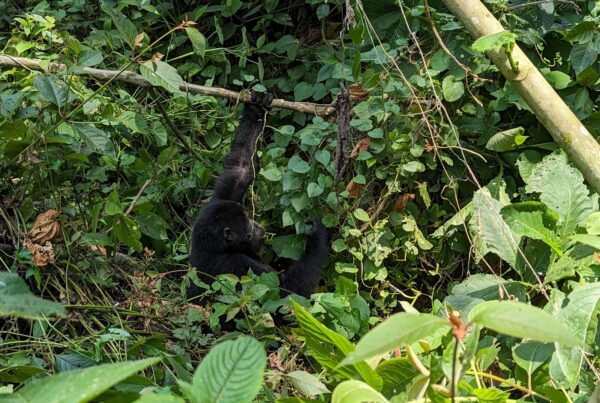
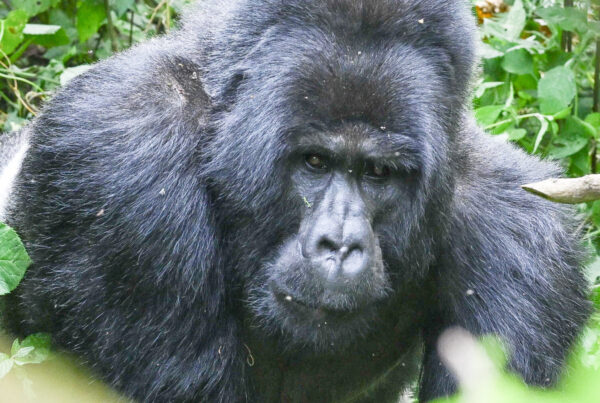
The mountain gorilla population of Bwindi is not just healthy — it is growing. The combined Bwindi and Virunga mountain gorilla population exceeded 1,000 individuals for the first time in recorded history in recent years, and the trend is upward. This population growth is the result of decades of conservation work, veterinary care, habitat protection, and well-managed tourism that generates the revenue to fund all of the above. The gorillas you will encounter on a trek in Bwindi are animals in excellent condition, in a healthy forest, monitored by dedicated professionals who know every individual animal by face. The 98.3 percent DNA connection that might make you worry is also the connection that makes the encounter so profound — and the conservation system around these animals is robust enough to protect that connection for generations to come.
What This Means for Your Visit
If you are considering a gorilla trek in Bwindi and your concern is the health of the gorillas themselves, the evidence is clear: the mountain gorillas of Bwindi are healthy, their population is growing, and the monitoring system in place would detect and respond to any health concern before it became a crisis. If your concern is your own health during a visit, the geographic separation between Bwindi and any active health situations in Uganda is so substantial that the risk to trekking visitors in the southwestern corridor is negligible. The gorillas are there, they are well, and the forest is waiting. The shared DNA that makes you worry is also the reason the encounter changes people — because looking into a mountain gorilla’s eyes, you see something unmistakably familiar looking back.
Frequently Asked Questions
Yes. The gorilla trekking zones — Bwindi and Mgahinga in southwestern Uganda — have no security concerns. Standard travel precautions apply for Kampala. Uganda Wildlife Authority rangers accompany all trekking groups. Check your government’s current travel advisory before departure and ensure you have comprehensive travel insurance.
Required: Yellow fever vaccination (mandatory for entry — carry the certificate). Recommended: Typhoid, Hepatitis A, Hepatitis B, Rabies (pre-exposure if handling wildlife), Meningococcal. Consult a travel health clinic 6–8 weeks before departure. Malaria prophylaxis is strongly recommended for all Uganda travel.
Yes, though reduced. Bwindi sits at 1,600–2,600m altitude — higher elevations reduce (but do not eliminate) malaria transmission. Malaria prophylaxis is recommended. Common options include atovaquone-proguanil (Malarone), doxycycline, or mefloquine. Consult your doctor for the most appropriate option based on your health history.
Uganda Wildlife Authority requires all gorilla trekkers to be 15 years or older. No exceptions are made regardless of operator, permit type, or family circumstances. Children under 15 cannot participate in gorilla trekking or the Gorilla Habituation Experience.
Yes — comprehensive travel insurance is essential. Look for policies that cover: medical evacuation (critical given Bwindi’s remote location), trip cancellation, and ideally Cancel for Any Reason cover. Ensure your policy explicitly covers high-altitude trekking and wildlife activities. Providers including Battleface, World Nomads, and Campbell Irvine offer policies suitable for Uganda.