Updated
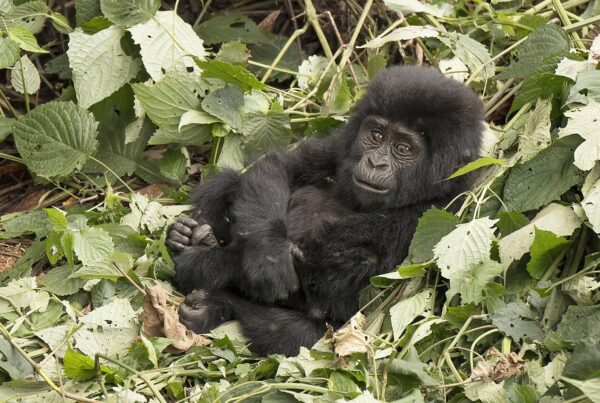
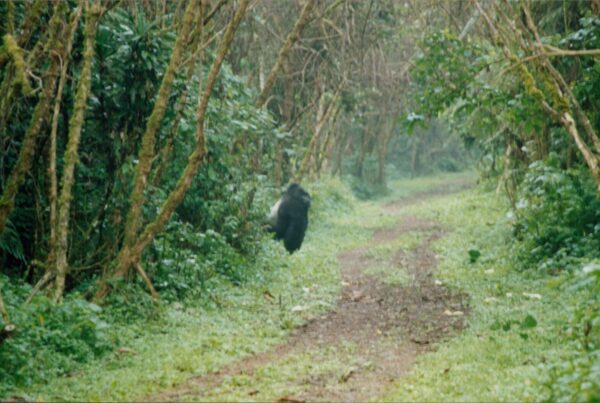
In September 2023, a silverback in the Nshongi gorilla family of Rushaga sector was observed by trackers to be moving with a significant limp and showing signs of pain consistent with a snare injury on his left wrist. The family had moved into dense vegetation at 2,400 metres elevation, accessible only on foot after a five-hour approach. Within 36 hours of the initial observation, a veterinary team from the Mountain Gorilla Veterinary Project had been deployed, the silverback had been anaesthetised, the snare removed, the wound treated, and the gorilla successfully recovered. What made this operation possible — and what it cost in terms of professional skill, logistical complexity, and international veterinary cooperation — is one of the most remarkable stories in gorilla conservation. The operation involved a vet who was, effectively, parachuted into one of the most remote forest environments in Africa on 24 hours’ notice.
The Mountain Gorilla Veterinary Project
The Mountain Gorilla Veterinary Project (MGVP) is a non-profit organisation that provides emergency veterinary care for habituated mountain gorillas in Uganda, Rwanda, and the Democratic Republic of Congo. Its team of veterinarians is on permanent standby to respond to health emergencies in habituated gorilla families — injuries, disease outbreaks, births requiring intervention, and the treatment of snare injuries like the 2023 Nshongi case. Without this organisation and its funding (derived substantially from gorilla tourism permit revenue), injured gorillas would simply be left to survive or die without intervention.
The MGVP model is one of the most resource-intensive elements of gorilla conservation. Veterinarians must be trained specifically in great ape medicine, which differs significantly from domestic animal veterinary practice. Anaesthesia of wild gorillas is technically complex and potentially fatal if mismanaged. Drugs must be administered remotely via dart rifle at a distance that allows accurate dosing without alarming the group. Post-anaesthesia monitoring must occur in the field, often in difficult terrain, with the gorilla kept safe from predators and from other family members who may become agitated by the intervention.
The 2023 Operation: What Happened
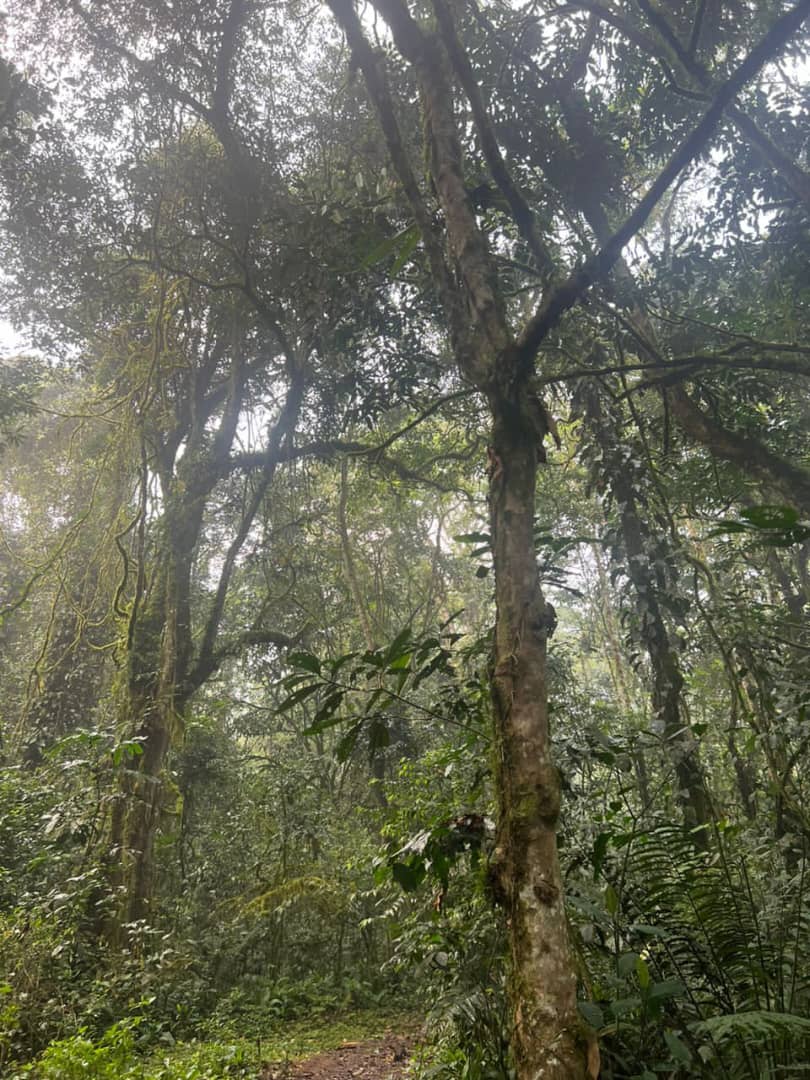
The MGVP vet deployed to the 2023 Nshongi operation was Dr. Nathalie Vanhove, a Belgian wildlife veterinarian who had been working with mountain gorillas in Uganda for four years. She was based in Kabale when the call came. She reached Rushaga sector briefing point within six hours of the initial alert. The five-hour approach to the family’s location in dense forest at altitude was followed by two hours of careful observation to confirm the injury type and identify the best intervention window — a period when the silverback was resting and other family members were at a distance.
The dart was fired from 15 metres. The silverback showed signs of sedation within four minutes. The team had seven to nine minutes of working time before the anaesthetic began to wear off. In that window, Dr. Vanhove and her team removed a wire snare from the gorilla’s left wrist — the wire had begun to embed in the skin but had not reached bone — cleaned and treated the wound with antibiotic ointment, administered a long-acting antibiotic injection, and withdrew to a safe distance. The silverback recovered from sedation within 12 minutes and walked back to rejoin his family within the hour.
The Cost and the Funding
The total cost of the 2023 intervention — vet deployment, drugs, monitoring, and support ranger time — was approximately USD 8,000. This figure is not exceptional for a gorilla veterinary intervention; complex anaesthetic operations involving helicopter deployment (used in some cases) can cost significantly more. MGVP’s annual operating budget for gorilla veterinary services in Bwindi is funded approximately 60 percent by gorilla tourism permit revenue allocated by UWA, with the remainder from conservation foundation grants and donations.
The silverback that Dr. Vanhove treated is still alive in 2027. He shows no lasting effects from the snare injury. He leads his family through the forest of Rushaga sector on the same routes he has used for years. Trekkers who encounter the Nshongi family in 2027 may see him and have no knowledge of the 2023 operation — which is, in a sense, exactly how it should be. The best outcome of a veterinary intervention is that it leaves no visible trace.
Why This Matters for Gorilla Trekking
When you buy a gorilla trekking permit for 2027, part of what you are paying for is the standing capacity to deploy a skilled veterinarian to a remote forest location within 24 hours to save an injured silverback. That capacity exists because gorilla tourism generates the revenue to sustain it. It is not visible during your trek. But it is one of the reasons the gorilla you are watching is alive and healthy rather than slowly dying from a snare injury in the depths of the forest.