Updated
Uganda’s Gorilla Permit Revenue Broke Records in 2025: Where It Goes
Uganda gorilla permit revenue 2025 — how the money is spent and what it achieves
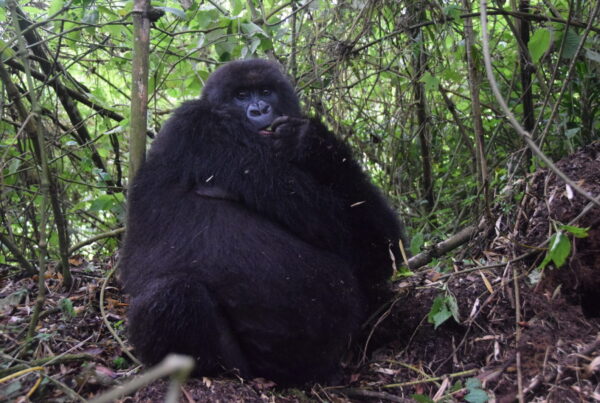
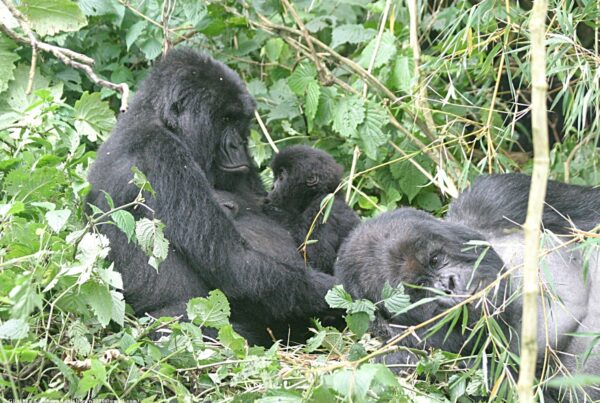
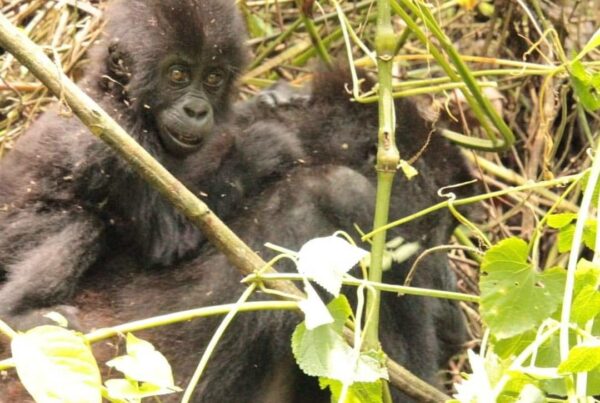
Uganda’s Gorilla Permit Revenue Broke Records in 2025: Where It Goes Uganda gorilla permit revenue 2025 — how the money is spent and what it achieves Uganda’s gorilla trekking permit revenue in 2025 broke all previous records, with Uganda Wildlife Authority reporting that gorilla permit sales exceeded $25 million for the first time in the programme’s history. Uganda’s gorilla trekking permit revenue in 2025 broke all previous records, with Uganda Wildlife Authority reporting that gorilla permit sales exceeded $25 million for the first time in the programme’s history. This figure — generated by approximately 31,000 permits at $800 each — represents the primary funding source for Uganda’s mountain gorilla conservation programme and flows directly into the operational budget that maintains the ranger corps, anti-poaching operations, veterinary services, habitat monitoring, and community development programmes that constitute the conservation infrastructure of Bwindi Impenetrable Forest. Understanding where this money goes is one of the most direct ways of understanding the conservation value of the gorilla trekking experience you are booking.
Ranger salaries and training
The largest single expenditure from gorilla permit revenue is the Uganda Wildlife Authority ranger corps — the hundreds of men and women who monitor habituated gorilla families daily, lead trekking groups, conduct anti-poaching patrols, manage community relations, and provide the continuous human presence in the forest that is the foundation of the entire conservation system. Ranger salaries have been increased substantially over the past decade — from levels that created high turnover and corruption risk to a compensation package that attracts and retains committed, skilled individuals. The training investment — ongoing professional development in wildlife monitoring, community engagement, first aid, and conservation management — ensures that the rangers’ skills match the complexity of the work they are doing.
Anti-poaching operations
A significant proportion of permit revenue funds anti-poaching operations — the patrol system that detects and removes snares from the forest, monitors the park boundary for illegal entry, responds to intelligence from community informants about poaching activity, and prosecutes offenders through the legal system. The reduction in snare injuries in habituated gorilla families over the past decade — from levels that were causing several veterinary interventions per year to a much lower rate that reflects the effectiveness of the anti-poaching programme — is the most direct measurable outcome of this investment. Every gorilla that does not lose a hand or foot to a snare is a conservation outcome that permit revenue purchased.
The veterinary programme
The Mountain Gorilla Veterinary Project, jointly funded by permit revenue and international conservation donors, maintains a team of trained wildlife veterinarians and veterinary nurses who provide medical care to injured and sick gorillas in all of Bwindi’s habituated families. The ability to intervene medically when a gorilla is injured by a snare, develops a respiratory disease, or suffers from a condition that would be fatal without treatment is one of the significant advantages that habituated gorilla families have over their non-habituated counterparts — and one that has contributed meaningfully to the population recovery. The veterinary programme costs are substantial, but the life-saving outcomes are documented and consistent.
Community development programmes
Uganda Wildlife Authority’s community revenue sharing programme allocates 20 percent of all park entrance and permit fees to community development projects in the parishes adjacent to Bwindi. In 2025, this allocation from gorilla permit revenue alone represented over $5 million directed to community healthcare, education, and livelihood support programmes in the communities that live alongside the forest and whose support — or lack of support — for gorilla conservation is one of the most important variables in the long-term success of the programme. Schools, health centres, water supply projects, and community enterprise support funded through this mechanism create the economic and social conditions in which gorilla conservation can be sustained indefinitely.
What your permit purchase achieves
When you purchase an $800 gorilla trekking permit, you are contributing directly to all of these outcomes: ranger salaries, anti-poaching operations, veterinary care, community development. The connection between the permit purchase and the conservation outcome is more direct, more transparent, and more measurable than the conservation contribution of almost any other form of wildlife tourism. This is what makes gorilla trekking not just an extraordinary experience but a genuine conservation act — and it is why the recommendation from conservation organisations worldwide is: if you can afford a gorilla trekking permit, buy one.
Frequently Asked Questions
The standard gorilla trekking permit costs $800 per person for foreign non-residents (FNR). EAC foreign residents pay $700. During low season — April, May, and November — the FNR rate drops to $600. The Gorilla Habituation Experience permit (4 hours, Rushaga sector only) costs $1,800 per person.
Permits are issued by Uganda Wildlife Authority (UWA). Most visitors book through a licensed Uganda tour operator, who handles the UWA reservation, permit transfer, and sector logistics. Direct booking via the UWA eTourism portal is available but operators handle the complexity of sector assignment and date changes.
During peak season (June–September, December–February): book 3–6 months ahead. During low season (April, May, November): 4–8 weeks is usually sufficient. The AFCON 2027 period (June–July 2027) will see unusually high demand — book at least 6 months ahead for any date in that window.
UWA gorilla permits are non-refundable but can be rescheduled to another date subject to availability and sufficient advance notice. Your tour operator handles this process. Travel insurance that covers trip cancellation and curtailment is strongly recommended for all Uganda gorilla bookings.
Yes. The permit price is set by Uganda Wildlife Authority and is fixed regardless of which operator you use. No operator can offer a discount on the $800 permit — only their service fees (accommodation, transport, guiding) vary between companies.