Updated
Uganda tourism success story is a subject we explore in depth in this guide, drawing on direct experience and expertise from Uganda’s wildlife and safari industry. In the early 1990s, Uganda was not a tourism destination. It was a country still pulling itself out of the wreckage of Idi Amin’s dictatorship and the civil wars that followed, a place that appeared in foreign news coverage primarily as a synonym for disaster. The wildlife, which had been devastated by poaching and conflict, was recovering but depleted. The infrastructure was broken. The reputation was catastrophic.
Thirty years later, Uganda regularly appears on lists of Africa’s most rewarding travel destinations. Its national parks contain wildlife populations that have grown substantially. Its gorilla trekking programme is internationally recognised as a model for conservation-based tourism. Its birding reputation draws specialists from every continent. And its positioning as a destination for travellers seeking depth over comfort, authenticity over amenity, and meaning over spectacle has given it a loyal following that continues to expand.
How did this happen? The story involves government policy, conservation science, community economics, and a sequence of decisions that turned out, mostly by accident, to be exactly right.
How Uganda Became Africa’s Most Surprising Tourism Success Story
The Gorilla Decision
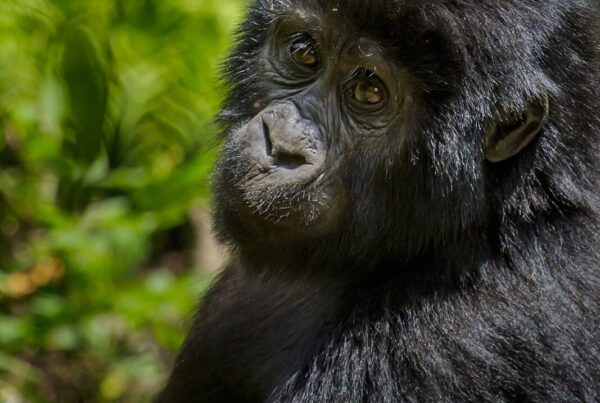
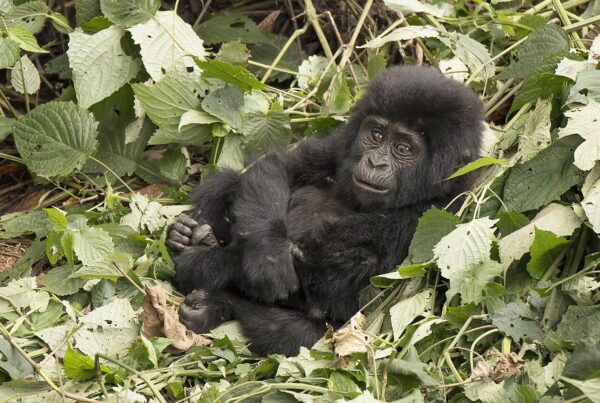
The pivotal moment in Uganda’s tourism transformation was the decision to make mountain gorilla trekking the centrepiece of the country’s tourism offering. This was not inevitable. Rwanda made the same choice, and has arguably been more commercially successful — Kigali’s infrastructure, Rwanda’s marketing budget, and the Rwandan gorilla permit price have all been managed with greater sophistication. Kenya’s model of mass wildlife tourism on the Serengeti-Mara ecosystem had long dominated East African travel. Uganda took a different path.
The decision to limit gorilla trekking permits to eight visitors per group per day, to charge a permit price that makes the experience financially exclusive, and to use that revenue to fund both conservation and community benefit was made incrementally, through a combination of conservation science and economic necessity. In 2027, a Uganda gorilla permit costs $800 — a price that has increased steadily as demand has grown and as the conservation value of limiting visitor numbers has become clear.
What the Permit Revenue Built
The revenue from gorilla permits has funded anti-poaching operations, ranger salaries, community revenue-sharing programmes, and habitat protection around Bwindi Impenetrable National Park and Mgahinga Gorilla National Park. It has also built the logic that justifies the protection of the gorillas to communities that live adjacent to the park and might otherwise see the forest primarily as agricultural land. When gorilla tourism generates income for schools, healthcare facilities, and local businesses, the gorillas become economically valuable in ways that protection alone cannot achieve.
The Bwindi Impenetrable Forest Effect
Bwindi Impenetrable National Park has become Uganda’s most powerful tourism asset, but its significance extends well beyond tourism. The park contains approximately half of the world’s remaining mountain gorilla population — around 500 of the estimated 1,000 gorillas that survive. It is also one of Africa’s most biodiverse forests, with over 350 species of birds, 120 species of mammals, and more butterfly species than any equivalent area on the continent.
The park’s tourism infrastructure — the trail system, the habituated gorilla families, the trained rangers and guides — represents decades of investment and expertise. A visitor to Bwindi in 2027 benefits from a system built over thirty years by conservationists, the Uganda Wildlife Authority, and local communities. The product — an hour with a gorilla family in intact tropical forest — is genuinely irreplaceable. No safari park, no zoo, no wildlife documentary can approximate it.
The Habituated Family Programme
Mountain gorillas, unlike many wildlife species, can be habituated to human presence through a carefully managed process of daily contact over months or years. Uganda now has multiple habituated gorilla families across Bwindi and Mgahinga, each allocated a specific number of visitor permits per day. The habituation process itself has become a specialist tourism product — conservation travellers pay premium prices to participate in the early stages of habituating new gorilla groups, contributing directly to the expansion of the trekking programme.
Beyond the Gorillas: The Diversification Strategy
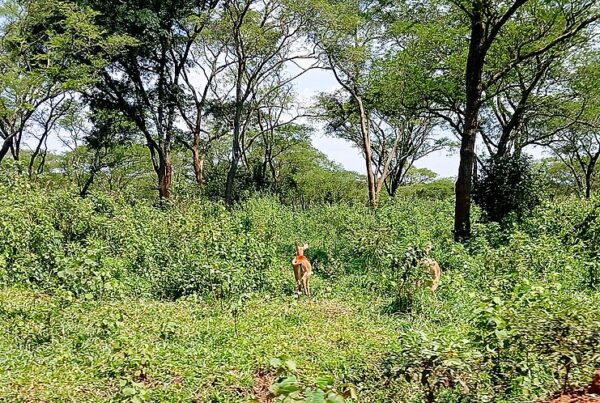
Uganda’s tourism success has not been built on gorillas alone. The country’s tourism authority has invested in positioning Uganda as a multi-experience destination, and the wildlife and landscapes support this positioning. Queen Elizabeth National Park offers boat safaris on the Kazinga Channel, tree-climbing lions in the Ishasha sector, and one of East Africa’s most productive birding environments. Murchison Falls National Park contains one of the most dramatic waterfalls in Africa and a Nile riverbank ecosystem that supports Nile crocodiles, hippos, elephants, and abundant birdlife. Kibale Forest National Park has the highest density of primates of any forest in Africa.
The combination of these experiences — gorilla trekking, chimpanzee tracking, Nile safari, Albertine Rift birding — gives Uganda a product range that can sustain a two-week itinerary without repetition. This depth of experience is rare in African tourism. Most destinations have one or two signature wildlife experiences. Uganda has six or seven.
The Birding Niche
Uganda’s bird list stands at over 1,060 species — approximately one in ten of all bird species on Earth can be found in a country smaller than the United Kingdom. The Albertine Rift, which runs through western Uganda, is one of the world’s great birding destinations, with dozens of endemic and near-endemic species found nowhere else on the planet. The international birding community has recognised Uganda as one of the top five birding destinations in the world, generating a specialist tourism segment that operates largely independently of mainstream gorilla trekking.
The Role of Regional Comparison
Uganda’s tourism success has been shaped partly by what it is not. It is not Kenya, with its mass market infrastructure and crowded park circuits. It is not Tanzania, with its Serengeti spectacle and Zanzibar beach tourism. It is not South Africa, with its sophisticated tourism industry built around the Big Five and wine country comfort. Uganda offers something that none of these destinations can provide in the same combination: intimate wildlife encounters, genuine wildness, community immersion, and a sense of discovery that mass tourism inevitably erodes.
Travellers who have already done Kenya, Tanzania, and South Africa are often looking for something different. Uganda provides it. The country has become the destination of choice for the repeat Africa traveller — the person who wants to go beyond the standard circuit and find the experiences that the standard circuit has missed.
What Success Has Cost
Tourism success is not without complications. The areas around Bwindi most visited by tourists have seen significant development — hotels, lodges, craft markets, guiding operations — that has changed the character of communities that were, a generation ago, primarily agricultural. The tension between development and authenticity is one that Uganda’s tourism planners continue to manage, with varying success.
The concentration of tourism revenue around gorilla trekking also means that communities in other parts of Uganda have benefited far less from the country’s tourism growth. Redistributing the economic benefits of tourism to less-visited regions remains an ongoing challenge that no amount of marketing can fully resolve without accompanying infrastructure investment.
The Next Chapter
Uganda’s tourism story is still being written. The country’s remaining challenges — infrastructure, connectivity, political risk perception, and the need to distribute tourism benefits more equitably — are real but not insurmountable. The foundation that thirty years of conservation-first tourism development has built is genuinely strong. The wildlife is here. The experiences are irreplaceable. The question is how Uganda manages the transition from surprising success story to established destination without losing the qualities that made the success possible in the first place.