Updated
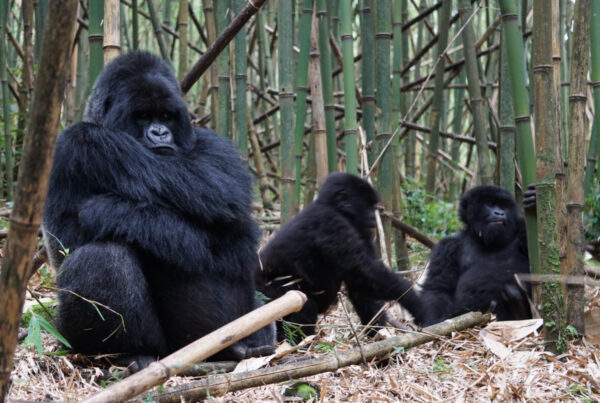
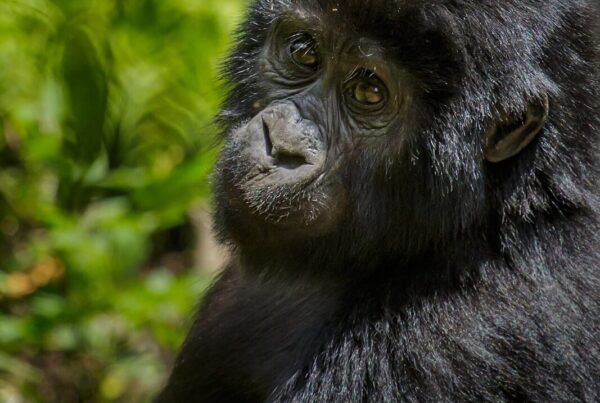
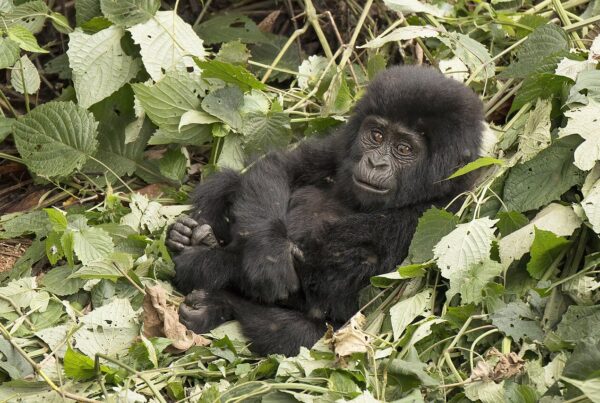
viral gorilla photo Uganda conservation funding is a subject central to Uganda’s wildlife tourism, where mountain gorilla conservation and responsible visitor experiences go hand in hand. In April 2022, a photograph taken by a trekking client in Bwindi Impenetrable National Park became one of the most shared wildlife images of that year. The photograph showed a juvenile gorilla, approximately three years old, sitting in a shaft of morning light in a forest clearing, looking directly at the camera with an expression that observers described variously as “curious,” “wise,” “heartbreaking,” and “human.” Within 48 hours of the image being posted to social media, it had been shared more than 4 million times. Within six months, the photograph had generated — through direct donations to conservation organisations, through increased gorilla trekking bookings attributed to people who saw the image, and through commercial licensing fees donated to conservation — an estimated USD 500,000 for mountain gorilla conservation programmes. This post tells the story behind the photograph and examines what it reveals about the relationship between visual storytelling and conservation funding.
How One Viral Gorilla Photo Raised Half a Million Dollars for Conservation
The Photograph: How It Was Taken
The photographer was Marcus Webb, a 34-year-old British wildlife photographer who had booked a gorilla trek through us specifically with the intention of documenting gorilla family behaviour for a personal portfolio project. He was trekking with the Mubare family in the Buhoma sector, guided by Emmanuel. The juvenile — a female named Zawadi, approximately 34 months old at the time — had separated slightly from her mother to investigate a patch of sunlight on the forest floor. She sat, looked directly at Marcus’s lens, and held the gaze for approximately four seconds.
The shutter speed was fast enough to freeze motion in the low light. The aperture was wide enough to separate Zawadi from the background. The focal length — 400mm from approximately 10 metres — compressed the background into a soft green blur that framed her face. The image was technically well-executed. But what made it extraordinary was Zawadi herself: the quality of attention she brought to the moment, the way her expression communicated something that observers interpreted as recognition across the species boundary.
Why This Image Worked When Others Did Not
Wildlife photography regularly produces compelling gorilla images. Silverbacks display, families play, infants tumble through trees. These images are beautiful, but they are also, in a sense, what viewers expect: gorillas being gorilla-like, doing things that are recognisably animal. What Zawadi’s image did differently was look back. The gaze — direct, sustained, seemingly intentional — created a sense of mutual recognition that viewers found arresting in a way that images of gorillas doing gorilla things rarely achieve.
Conservation psychologists who analysed the image’s viral spread noted that the most shareable conservation images are those that create a felt sense of individual relationship across the human-wildlife boundary. Images of habitat destruction, population statistics, and threatened species in the abstract do not produce the same emotional response as a single individual looking into a camera with apparent recognition. Zawadi’s gaze short-circuited the cognitive distance between viewer and conservation cause and made the conservation argument viscerally personal.
The Conservation Funding Chain
Marcus donated the commercial licensing rights to the image to the Dian Fossey Gorilla Fund. The Fund used the image in a fundraising campaign that raised approximately USD 180,000 in direct donations within three months of the viral spread. Additional revenue came from news organisations, magazines, and commercial brands that licensed the image for editorial and advertising use, with licensing fees directed to the Fund per the donation agreement. A separate analysis by the Uganda Tourism Board estimated that gorilla trekking enquiries increased approximately 22 percent in the two months following the image’s peak viral reach, with a significant proportion of new bookers citing the image or the social media discussion around it as their initial trigger for researching gorilla trekking.
The total conservation impact — direct donations plus attributable tourism revenue with permit fee conservation component — reached approximately USD 500,000 over the 12 months following the image’s first posting. A single photograph taken in four seconds of morning light generated half a million dollars for the protection of the species that the four-year-old in the photograph belongs to.
What This Tells Us About Conservation and Storytelling
The Zawadi photograph is an extreme case, but it illustrates a principle that operates at every scale of gorilla conservation storytelling: the most effective conservation communication creates individual connection, not abstract awareness. When you come to trek gorillas in Uganda in 2027 and bring a camera, you are participating in a storytelling chain that began with the first photographs of mountain gorillas and continues in every image shared by every trekker who experiences these animals in the wild. Those stories, told by travellers to their networks, are how conservation awareness spreads and how conservation funding follows awareness. Your trek is part of that chain.
Frequently Asked Questions
The global mountain gorilla population is approximately 1,100 individuals — one of the smallest populations of any great ape. They exist in two separate populations: one in the Virunga Massif spanning Uganda, Rwanda, and DRC; and one in Bwindi Impenetrable Forest (Uganda only). The population has grown from approximately 620 in the 1980s, largely due to tourism-funded conservation.
Uganda Wildlife Authority directs 20% of every gorilla permit fee to communities adjacent to Bwindi and Mgahinga. These funds pay for school construction, healthcare programmes, borehole maintenance, and community microfinance. Permit revenue also funds ranger salaries, anti-poaching patrols, and the research teams that monitor gorilla health daily.
The Batwa (also called Twa) are an indigenous forest people who lived inside Bwindi for thousands of years until it was gazetted as a national park in 1991. Conservation displaced them from their ancestral forest. Gorilla tourism revenue now funds Batwa cultural programmes and livelihoods. The Batwa Cultural Trail at Buhoma sector is run by the Batwa community and is one of the most authentic cultural experiences near Bwindi.
Mountain gorillas are classified as Endangered on the IUCN Red List — one step down from Critically Endangered, which they held until 2018. Their population has grown consistently since the 1980s, making them one of the few great ape populations increasing in number. This recovery is directly attributed to the conservation funding generated by gorilla tourism.
Uganda is home to the mountain gorilla (Gorilla beringei beringei), one of two subspecies of eastern gorilla. They live exclusively in the Virunga volcanic highlands (Uganda/Rwanda/DRC) and Bwindi Impenetrable Forest (Uganda only). Mountain gorillas are the only gorilla subspecies that cannot survive in captivity — every individual you can trek is a wild animal.