People with controlled asthma complete Uganda gorilla treks every day — but Bwindi’s specific respiratory environment combines three triggers that asthma management guides consistently list as high-risk: altitude (1,500–2,600m, reducing available oxygen by 15–20%), humidity consistently above 80% (which can sensitise airways in cold-air-triggered asthma), and cold morning air at trek start (8–15°C, a well-documented bronchoconstriction trigger) — meaning trekking with asthma at Bwindi is not inadvisable but requires specific preparation, not the generic “bring your inhaler” advice that most people receive from non-specialist physicians. This guide covers the specific physiological challenges that Bwindi presents to trekkers with respiratory conditions, the medication strategy recommended by travel medicine specialists for altitude-modified asthma management, which inhaler types matter (rescue vs preventative vs combination), how to communicate with rangers about your condition, and which sector and timing choices reduce respiratory trigger exposure. For the permit and booking side, see the gorilla permit guide; for trek day logistics, the sector guide covers terrain and altitude by sector.
Asthma and Breathing Conditions: Bwindi Essentials
- Altitude: 1,500–2,600m — 15–20% less oxygen than sea level; lower sectors are less demanding
- Humidity: 80%+ — humid air is a trigger for some asthmatics; decreases through the morning
- Cold morning air: 8–15°C at trek start — major exercise-induced bronchoconstriction trigger
- Essential medication: rescue inhaler (SABA) must be in your jacket pocket during the entire trek
- Tell your ranger: inform the ranger guide of your condition at the sector briefing — not a weakness, it enables pacing adjustment
- Best sector for respiratory conditions: Buhoma (lowest altitude, most established porter support)
For travellers living with asthma, chronic obstructive pulmonary disease, or other respiratory conditions, the prospect of gorilla trekking raises genuine concerns. The hike takes place at altitude, often involves steep climbs, and the dense humid air of Bwindi Impenetrable Forest feels fundamentally different from the air most people breathe daily. The question is not whether these conditions make trekking impossible, but rather how to manage them so the experience remains safe and enjoyable.
The reality is that people with controlled asthma and mild breathing difficulties successfully complete gorilla treks every day. UWA rangers are trained to recognise respiratory distress, guides pace groups according to the slowest member, and porters provide physical assistance that dramatically reduces the cardiovascular demand. What separates those who thrive from those who struggle is preparation, honest communication with rangers, and understanding the specific challenges that Bwindi’s environment presents.
Understanding the Respiratory Challenges of Bwindi
Bwindi Impenetrable National Park sits between 1,500 and 2,600 metres above sea level, depending on which trekking sector you are assigned. At these altitudes, the atmosphere contains less oxygen than at sea level. For someone with healthy lungs, this difference is barely noticeable during the first hour of hiking. For someone whose airways are already compromised by asthma or another respiratory condition, the reduced oxygen availability can trigger symptoms more readily than equivalent exercise at lower elevation.
The forest air itself presents additional factors. Humidity in Bwindi regularly exceeds eighty percent, and the dense canopy traps moisture close to the ground. Humid air feels heavier and harder to breathe for some people with asthma because the moisture content can trigger bronchial sensitivity. The combination of altitude plus humidity plus physical exertion creates a respiratory environment that demands respect and planning.
Cold morning temperatures add another layer of complexity. Trekkers typically start hiking at eight in the morning when temperatures may be twelve to fifteen degrees Celsius. Cold air is a well-documented trigger for exercise-induced bronchoconstriction, the narrowing of airways that affects many asthmatics during physical activity. As the morning progresses and the body warms, this trigger diminishes, but the first hour of trekking is when most respiratory symptoms appear.
Why Asthma Does Not Automatically Disqualify You
UWA does not prohibit people with asthma from gorilla trekking. The mandatory health screening at the briefing focuses on contagious illnesses that could transmit to gorillas, not chronic conditions that affect only the individual. Rangers will ask whether you are currently experiencing symptoms of a cold or flu, but they do not routinely ask about asthma unless you voluntarily disclose it.
Disclosure, however, is strongly advisable. When rangers know that a group member has asthma, they can allocate that person to a gorilla family known to be closer to the trailhead, reducing hiking distance and duration. They can also ensure the assigned guide understands the need for slower pacing and additional rest stops. This information helps rangers make decisions that protect your health without compromising your experience.
The key distinction UWA makes is between controlled and uncontrolled asthma. If your asthma is well-managed with daily medication, you rarely experience attacks, and you can complete moderate exercise without symptoms, you are almost certainly capable of gorilla trekking with the right preparations. If your asthma is currently unstable, you are recovering from a recent exacerbation, or you experience symptoms during mild daily activity, postponing the trek until your condition stabilises is the wiser choice.
Pre-Trek Preparation for Respiratory Conditions
Preparation begins weeks before you arrive in Uganda. If you use a daily controller medication such as an inhaled corticosteroid, ensure your prescription is current and that you have sufficient supply for the entire trip plus extra in case of travel delays. Many travellers make the mistake of packing exactly enough medication for their planned itinerary, then face problems when flights are delayed or luggage goes missing. Pack your inhalers in both your checked luggage and your carry-on bag.
A pre-travel consultation with your respiratory specialist or general practitioner is valuable. Discuss your specific plans, including the altitude and physical demands, and ask whether your current medication regimen is adequate for these conditions. Some physicians recommend increasing the dose of controller medication for several days before and during the trek as a preventive measure. Others may prescribe a short course of oral corticosteroids to reduce airway inflammation during your time at altitude. These decisions should be made individually based on your medical history.
Physical conditioning before the trip makes a substantial difference. The fitter your cardiovascular system, the less strain each minute of hiking places on your lungs. If you currently exercise moderately, consider gradually increasing your activity level in the two months before your trek. Activities that simulate the trekking experience, such as hiking on inclines or climbing stairs with a light backpack, are particularly beneficial because they condition your body for the specific demands it will face.
Managing Asthma During the Trek Itself
The morning of your trek, take your controller medication as prescribed, even if you feel completely well. Controller medications work by reducing underlying airway inflammation, and their protective effect builds over time. Skipping a dose because you feel fine removes that protection precisely when you need it most.
Warm up gradually during the initial walking phase. The trail from the briefing point to the park boundary is usually relatively gentle, and this section serves a purpose beyond simply reaching the forest. Use this time to let your body adjust to the activity and the altitude. Walk at a pace that allows you to breathe comfortably through your nose. If you find yourself mouth-breathing or unable to speak in complete sentences, slow down.
Your quick-relief inhaler, typically a short-acting bronchodilator such as salbutamol or albuterol, should be immediately accessible throughout the trek, not buried at the bottom of your backpack. Many trekkers keep their inhaler in a zippered trouser pocket or in a small pouch attached to their chest strap. If you experience wheezing, chest tightness, or shortness of breath beyond what the exertion explains, use your inhaler immediately. Do not wait to see whether symptoms resolve on their own.
Inform your guide about your condition during the first rest stop, if you have not already done so at the briefing. Guides are experienced at reading group dynamics and adjusting pace accordingly. They will build in additional rest stops if needed, and they know the locations along each trail where the terrain eases enough to recover. A good guide would rather reach the gorillas thirty minutes later with a healthy group than rush and risk a medical situation in the forest.
The Role of Porters for Trekkers With Breathing Difficulties
Hiring a porter is perhaps the single most effective strategy for trekkers with respiratory conditions. For approximately fifteen to twenty dollars, a porter carries your backpack, assists you on difficult sections, and effectively halves the physical effort required. Without the weight of water, camera gear, and rain clothing on your back, your cardiovascular system has significantly more reserve capacity.
Porters also provide physical stability on uneven terrain. They offer a hand on steep descents, help you over fallen logs, and steady you on slippery sections. This assistance reduces the sudden bursts of exertion that can trigger asthma symptoms. Many trekkers with asthma report that hiring a porter transformed their trek from a worrying physical challenge into a manageable and enjoyable walk.
When booking your trek, request a porter in advance if possible. While porters are usually available on the morning of the trek, advance requests ensure you are matched with someone experienced and strong. Explain that you have a respiratory condition and need assistance with pacing. This information helps the porter understand their role beyond simply carrying your bag.
Altitude Sickness and Respiratory Conditions
Altitude sickness, or acute mountain sickness, is distinct from asthma but can interact with it in ways that complicate breathing. At Bwindi’s elevations, severe altitude sickness is rare, but mild symptoms including headache, fatigue, and shortness of breath are common among trekkers arriving from sea level. If you already experience shortness of breath due to asthma, the added effect of mild altitude sickness can make breathing feel significantly harder.
The most effective prevention is acclimatisation. Arrive at your Bwindi lodge at least two days before your trek. Spend that time walking gently around the lodge grounds, allowing your body to adjust to the elevation. Sleep at altitude triggers physiological adaptations including increased breathing rate and improved oxygen utilisation. These adaptations do not happen during a single night, which is why arriving the evening before your trek is less effective than arriving two or three days earlier.
Stay well hydrated throughout your time at altitude. Dehydration thickens mucus in the airways, potentially worsening asthma symptoms, and it also increases the likelihood of altitude sickness. Drink water regularly even if you do not feel thirsty, and limit alcohol consumption, which dehydrates and can trigger asthma in some individuals.
What Happens If You Experience an Attack in the Forest
UWA guides are trained in basic first aid and carry emergency communication radios. If you experience a significant asthma attack during the trek, the immediate response is to stop moving, sit upright to allow maximum lung expansion, and use your quick-relief inhaler. Your guide will remain with you while the rest of the group either waits or continues with an assistant guide, depending on how close you are to the gorillas.
In the vast majority of cases, rest and bronchodilator medication resolve the symptoms within ten to fifteen minutes. Once your breathing stabilises, you can continue at a slower pace or decide to return to the trailhead, depending on how you feel and how close the gorillas are. UWA does not offer refunds for health-related turnbacks, but guides prioritise your safety over completing the trek.
In the rare event that symptoms do not respond to initial treatment, guides can radio for additional support. Evacuation from the forest on foot or by stretcher is possible, though it is slow and challenging due to terrain. This scenario is extremely uncommon for trekkers who have prepared properly and disclosed their condition at the briefing.
Special Considerations for Other Respiratory Conditions
Beyond asthma, other respiratory conditions require individual assessment. Chronic obstructive pulmonary disease encompasses a range of severity, and some individuals with mild COPD trek successfully while others with advanced disease should not attempt the hike. The steep terrain and altitude make Bwindi unsuitable for anyone who cannot walk several kilometres on flat ground without significant breathlessness.
People who have recovered from COVID-19 sometimes experience lingering respiratory symptoms including reduced exercise tolerance. If you are within six months of a COVID-19 infection, consult your physician specifically about altitude hiking. Post-viral lung changes can make you more susceptible to breathlessness at elevation even if you feel fully recovered in daily life.
Smokers, even those without a formal diagnosis of lung disease, often struggle more than non-smokers during the trek. The combination of reduced baseline lung function plus altitude plus humidity creates noticeable breathing difficulty for many smokers. If you smoke, consider the trek an opportunity to quit or at least reduce consumption in the weeks beforehand.
The Emotional Side of Trekking With a Health Condition
Beyond the physical realities, there is an emotional dimension to gorilla trekking with asthma or breathing difficulties that receives little attention. Many people with chronic conditions have learned to limit their activities based on what their bodies can handle, and the idea of attempting something as physically demanding as gorilla trekking can trigger anxiety before the trip even begins.
This anxiety is normal and manageable. The key is transforming vague worry into concrete preparation. When you have discussed your plans with a doctor, packed adequate medication, hired a porter, and communicated your condition to rangers, you have done everything within your control. The remaining uncertainty is simply part of adventure travel, experienced by every trekker regardless of health status.
Most trekkers with asthma who complete the experience describe a profound sense of accomplishment that extends beyond the gorilla encounter itself. Successfully managing a health challenge in a remote environment builds confidence and demonstrates that chronic conditions define limits but do not necessarily close doors.
Making the Decision
Ultimately, the decision whether to attempt gorilla trekking with asthma or a breathing condition belongs to you and your medical advisor. UWA provides the framework, guides provide the support, and porters provide the physical assistance, but only you know how your body responds to exercise, altitude, and humidity.
If your condition is well-controlled, your medication is current, and you can handle moderate exercise without severe symptoms, gorilla trekking is almost certainly within your reach. If your condition is unstable, you are recovering from a recent exacerbation, or your physician advises against it, postponing the trek is the responsible choice. The gorillas will still be there when you are ready.
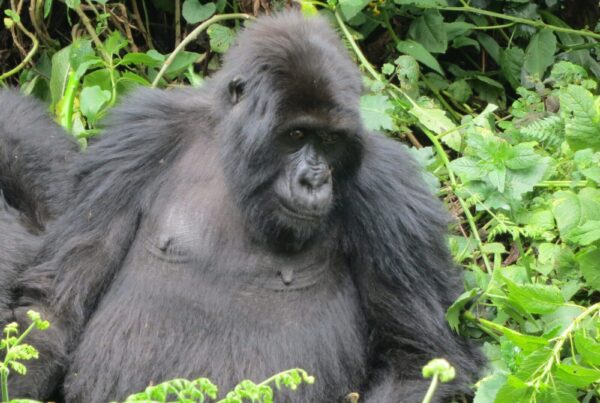
When you stand before a silverback, breathing the cool forest air, the preparation and planning fade into the background. What remains is the extraordinary privilege of sharing space with one of the planet’s most magnificent creatures. For trekkers with asthma, that privilege is not out of reach. It simply requires a little more preparation, a little more honesty, and a little more respect for what your body needs.
Frequently Asked Questions
Gorilla trekking with well-controlled asthma is generally considered safe with appropriate preparation. “Well-controlled” means: no hospitalisation or oral corticosteroid course in the past 12 months, no nocturnal symptoms more than once per week, rescue inhaler use no more than twice per week in normal daily life, and a peak flow or spirometry result that is at least 80% of your personal best. If your asthma meets these criteria and your respiratory physician clears you for sustained moderate aerobic exercise at altitude, gorilla trekking is achievable with the right inhaler protocol, sector choice, and honest communication with your ranger. If your asthma is poorly controlled, if you have had a recent exacerbation, or if you are on high-dose or frequent oral corticosteroids, the altitude-exercise combination at Bwindi poses significant risk — discuss postponing until your asthma is better managed. What inhalers should I bring for gorilla trekking? For gorilla trekking with asthma, bring three inhaler types: your regular preventer inhaler (inhaled corticosteroid or ICS/LABA combination — continue this exactly as prescribed throughout the trip, not just on trek day); a short-acting bronchodilator (SABA, typically salbutamol/albuterol) as a rescue inhaler — this must be in your jacket pocket during the entire trek, not in your day pack; and consider using your SABA 15–20 minutes before the trek start as pre-exercise prophylaxis if your respiratory physician recommends it for exercise-induced bronchoconstriction. Bring at least two rescue inhalers — one in your trekking jacket pocket and one in your main luggage as backup in case of loss. Ensure all inhalers are full before departure; altitude does not significantly affect metered-dose inhaler (MDI) function, but always test the device before the trek morning after cold overnight storage. Should I tell my gorilla trek ranger guide about my asthma? Yes — absolutely tell your ranger guide about your respiratory condition at the morning sector briefing, before the trek begins. This is not a weakness; it is information that allows your ranger to manage the group’s pace, plan rest stops at appropriate intervals, and take decisive action if you have a bronchospasm episode on trail. Rangers are trained in first aid and experienced with medically diverse visitor groups — they deal with fitness and health variations on every trek. Telling your ranger “I have well-controlled asthma and I have my rescue inhaler — I may need a slower pace on steep sections and a rest if I start wheezing” is the professional and practical approach. Not telling the ranger and then having a breathing episode in the middle of the forest without prior context is the situation to avoid. Which Bwindi sector is best for trekkers with respiratory conditions? Buhoma sector (Bwindi North) is the most appropriate sector for trekkers with respiratory conditions. Its lower elevation starting point (approximately 1,400m above sea level, compared to Ruhija’s 2,300m) means meaningfully more available oxygen and less cold-air exposure at trek start. The Buhoma sector’s habituated families include several long-established groups with well-mapped ranges that sometimes allow shorter treks — reducing total exertion duration. Buhoma also has the most developed community porter programme, meaning hired porter support for bag carrying and physical assistance is reliably available. Ruhija sector should be avoided by trekkers with significant respiratory conditions — its high altitude, cold temperatures, and steeper terrain create the maximum respiratory challenge of all Bwindi sectors. Rushaga and Nkuringo are intermediate options — higher than Buhoma but lower than Ruhija, with good porter support. What should I do if I have a breathing episode during the gorilla trek? If you experience significant bronchospasm (wheezing, chest tightness, shortness of breath beyond normal exertion breathlessness) during the trek: stop walking immediately and signal your ranger; use your rescue inhaler (salbutamol 2 puffs from your jacket pocket, wait 1 minute, 2 more puffs if needed); sit down and breathe slowly and deliberately while the bronchodilator takes effect (onset 3–5 minutes for SABA); inform your ranger of your symptoms clearly so they can assess whether to continue the trek or turn back. Mild bronchospasm that responds quickly to rescue inhaler and resolves within 10–15 minutes can allow continuation of the trek at a slower pace with ranger discretion. Bronchospasm that does not respond to two courses of rescue inhaler, or that is accompanied by significant hypoxia symptoms (confusion, cyanosis, extreme breathlessness at rest) requires immediate descent and medical attention — your ranger will initiate this protocol. Prepare for your gorilla trek with a respiratory condition Gorilla Permit Guide — book Buhoma sector specifically when requesting your permit Uganda Gorilla Families — Buhoma sector families and their ranges Bwindi Sector Guide — altitude and terrain detail for each sector Full Safari Cost Guide — porter hire cost for physical support on the trek Safari Itineraries — Buhoma-based itineraries with the most accessible sector approach Further Reading Uganda Travel Tips for First-Time Visitors: What You Need to Know Before You Go Can You Visit Ngogo Chimps? What Travelers Need to Know Gorilla Trekking for Seniors: What You Really Need to Know Gorilla Permit Price 2026: Official Uganda Cost and Everything You Need to Know Uganda Ebola 2026: What Every Safari Traveller Needs to Know Before Cancelling Everything You Need to Know About Gorilla Trekking Uganda in One Page Gorilla Trekking Uganda for Doctors and Nurses: What Medical Professionals Need to Know Gorilla Trekking Uganda for Charity Workers and NGO Staff: What You Need to Know Malaria prevention in Uganda: what every gorilla trekking traveller needs to know Crime and personal safety in Uganda: what travellers actually need to know <
For gorilla trekking with asthma, bring three inhaler types: your regular preventer inhaler (inhaled corticosteroid or ICS/LABA combination — continue this exactly as prescribed throughout the trip, not just on trek day); a short-acting bronchodilator (SABA, typically salbutamol/albuterol) as a rescue inhaler — this must be in your jacket pocket during the entire trek, not in your day pack; and consider using your SABA 15–20 minutes before the trek start as pre-exercise prophylaxis if your respiratory physician recommends it for exercise-induced bronchoconstriction. Bring at least two rescue inhalers — one in your trekking jacket pocket and one in your main luggage as backup in case of loss. Ensure all inhalers are full before departure; altitude does not significantly affect metered-dose inhaler (MDI) function, but always test the device before the trek morning after cold overnight storage. Should I tell my gorilla trek ranger guide about my asthma? Yes — absolutely tell your ranger guide about your respiratory condition at the morning sector briefing, before the trek begins. This is not a weakness; it is information that allows your ranger to manage the group’s pace, plan rest stops at appropriate intervals, and take decisive action if you have a bronchospasm episode on trail. Rangers are trained in first aid and experienced with medically diverse visitor groups — they deal with fitness and health variations on every trek. Telling your ranger “I have well-controlled asthma and I have my rescue inhaler — I may need a slower pace on steep sections and a rest if I start wheezing” is the professional and practical approach. Not telling the ranger and then having a breathing episode in the middle of the forest without prior context is the situation to avoid. Which Bwindi sector is best for trekkers with respiratory conditions? Buhoma sector (Bwindi North) is the most appropriate sector for trekkers with respiratory conditions. Its lower elevation starting point (approximately 1,400m above sea level, compared to Ruhija’s 2,300m) means meaningfully more available oxygen and less cold-air exposure at trek start. The Buhoma sector’s habituated families include several long-established groups with well-mapped ranges that sometimes allow shorter treks — reducing total exertion duration. Buhoma also has the most developed community porter programme, meaning hired porter support for bag carrying and physical assistance is reliably available. Ruhija sector should be avoided by trekkers with significant respiratory conditions — its high altitude, cold temperatures, and steeper terrain create the maximum respiratory challenge of all Bwindi sectors. Rushaga and Nkuringo are intermediate options — higher than Buhoma but lower than Ruhija, with good porter support. What should I do if I have a breathing episode during the gorilla trek? If you experience significant bronchospasm (wheezing, chest tightness, shortness of breath beyond normal exertion breathlessness) during the trek: stop walking immediately and signal your ranger; use your rescue inhaler (salbutamol 2 puffs from your jacket pocket, wait 1 minute, 2 more puffs if needed); sit down and breathe slowly and deliberately while the bronchodilator takes effect (onset 3–5 minutes for SABA); inform your ranger of your symptoms clearly so they can assess whether to continue the trek or turn back. Mild bronchospasm that responds quickly to rescue inhaler and resolves within 10–15 minutes can allow continuation of the trek at a slower pace with ranger discretion. Bronchospasm that does not respond to two courses of rescue inhaler, or that is accompanied by significant hypoxia symptoms (confusion, cyanosis, extreme breathlessness at rest) requires immediate descent and medical attention — your ranger will initiate this protocol. Prepare for your gorilla trek with a respiratory condition Gorilla Permit Guide — book Buhoma sector specifically when requesting your permit Uganda Gorilla Families — Buhoma sector families and their ranges Bwindi Sector Guide — altitude and terrain detail for each sector Full Safari Cost Guide — porter hire cost for physical support on the trek Safari Itineraries — Buhoma-based itineraries with the most accessible sector approach Further Reading Uganda Travel Tips for First-Time Visitors: What You Need to Know Before You Go Can You Visit Ngogo Chimps? What Travelers Need to Know Gorilla Trekking for Seniors: What You Really Need to Know Gorilla Permit Price 2026: Official Uganda Cost and Everything You Need to Know Uganda Ebola 2026: What Every Safari Traveller Needs to Know Before Cancelling Everything You Need to Know About Gorilla Trekking Uganda in One Page Gorilla Trekking Uganda for Doctors and Nurses: What Medical Professionals Need to Know Gorilla Trekking Uganda for Charity Workers and NGO Staff: What You Need to Know Malaria prevention in Uganda: what every gorilla trekking traveller needs to know Crime and personal safety in Uganda: what travellers actually need to know <
Yes — absolutely tell your ranger guide about your respiratory condition at the morning sector briefing, before the trek begins. This is not a weakness; it is information that allows your ranger to manage the group’s pace, plan rest stops at appropriate intervals, and take decisive action if you have a bronchospasm episode on trail. Rangers are trained in first aid and experienced with medically diverse visitor groups — they deal with fitness and health variations on every trek. Telling your ranger “I have well-controlled asthma and I have my rescue inhaler — I may need a slower pace on steep sections and a rest if I start wheezing” is the professional and practical approach. Not telling the ranger and then having a breathing episode in the middle of the forest without prior context is the situation to avoid. Which Bwindi sector is best for trekkers with respiratory conditions? Buhoma sector (Bwindi North) is the most appropriate sector for trekkers with respiratory conditions. Its lower elevation starting point (approximately 1,400m above sea level, compared to Ruhija’s 2,300m) means meaningfully more available oxygen and less cold-air exposure at trek start. The Buhoma sector’s habituated families include several long-established groups with well-mapped ranges that sometimes allow shorter treks — reducing total exertion duration. Buhoma also has the most developed community porter programme, meaning hired porter support for bag carrying and physical assistance is reliably available. Ruhija sector should be avoided by trekkers with significant respiratory conditions — its high altitude, cold temperatures, and steeper terrain create the maximum respiratory challenge of all Bwindi sectors. Rushaga and Nkuringo are intermediate options — higher than Buhoma but lower than Ruhija, with good porter support. What should I do if I have a breathing episode during the gorilla trek? If you experience significant bronchospasm (wheezing, chest tightness, shortness of breath beyond normal exertion breathlessness) during the trek: stop walking immediately and signal your ranger; use your rescue inhaler (salbutamol 2 puffs from your jacket pocket, wait 1 minute, 2 more puffs if needed); sit down and breathe slowly and deliberately while the bronchodilator takes effect (onset 3–5 minutes for SABA); inform your ranger of your symptoms clearly so they can assess whether to continue the trek or turn back. Mild bronchospasm that responds quickly to rescue inhaler and resolves within 10–15 minutes can allow continuation of the trek at a slower pace with ranger discretion. Bronchospasm that does not respond to two courses of rescue inhaler, or that is accompanied by significant hypoxia symptoms (confusion, cyanosis, extreme breathlessness at rest) requires immediate descent and medical attention — your ranger will initiate this protocol. Prepare for your gorilla trek with a respiratory condition Gorilla Permit Guide — book Buhoma sector specifically when requesting your permit Uganda Gorilla Families — Buhoma sector families and their ranges Bwindi Sector Guide — altitude and terrain detail for each sector Full Safari Cost Guide — porter hire cost for physical support on the trek Safari Itineraries — Buhoma-based itineraries with the most accessible sector approach Further Reading Uganda Travel Tips for First-Time Visitors: What You Need to Know Before You Go Can You Visit Ngogo Chimps? What Travelers Need to Know Gorilla Trekking for Seniors: What You Really Need to Know Gorilla Permit Price 2026: Official Uganda Cost and Everything You Need to Know Uganda Ebola 2026: What Every Safari Traveller Needs to Know Before Cancelling Everything You Need to Know About Gorilla Trekking Uganda in One Page Gorilla Trekking Uganda for Doctors and Nurses: What Medical Professionals Need to Know Gorilla Trekking Uganda for Charity Workers and NGO Staff: What You Need to Know Malaria prevention in Uganda: what every gorilla trekking traveller needs to know Crime and personal safety in Uganda: what travellers actually need to know <
Buhoma sector (Bwindi North) is the most appropriate sector for trekkers with respiratory conditions. Its lower elevation starting point (approximately 1,400m above sea level, compared to Ruhija’s 2,300m) means meaningfully more available oxygen and less cold-air exposure at trek start. The Buhoma sector’s habituated families include several long-established groups with well-mapped ranges that sometimes allow shorter treks — reducing total exertion duration. Buhoma also has the most developed community porter programme, meaning hired porter support for bag carrying and physical assistance is reliably available. Ruhija sector should be avoided by trekkers with significant respiratory conditions — its high altitude, cold temperatures, and steeper terrain create the maximum respiratory challenge of all Bwindi sectors. Rushaga and Nkuringo are intermediate options — higher than Buhoma but lower than Ruhija, with good porter support. What should I do if I have a breathing episode during the gorilla trek? If you experience significant bronchospasm (wheezing, chest tightness, shortness of breath beyond normal exertion breathlessness) during the trek: stop walking immediately and signal your ranger; use your rescue inhaler (salbutamol 2 puffs from your jacket pocket, wait 1 minute, 2 more puffs if needed); sit down and breathe slowly and deliberately while the bronchodilator takes effect (onset 3–5 minutes for SABA); inform your ranger of your symptoms clearly so they can assess whether to continue the trek or turn back. Mild bronchospasm that responds quickly to rescue inhaler and resolves within 10–15 minutes can allow continuation of the trek at a slower pace with ranger discretion. Bronchospasm that does not respond to two courses of rescue inhaler, or that is accompanied by significant hypoxia symptoms (confusion, cyanosis, extreme breathlessness at rest) requires immediate descent and medical attention — your ranger will initiate this protocol. Prepare for your gorilla trek with a respiratory condition Gorilla Permit Guide — book Buhoma sector specifically when requesting your permit Uganda Gorilla Families — Buhoma sector families and their ranges Bwindi Sector Guide — altitude and terrain detail for each sector Full Safari Cost Guide — porter hire cost for physical support on the trek Safari Itineraries — Buhoma-based itineraries with the most accessible sector approach Further Reading Uganda Travel Tips for First-Time Visitors: What You Need to Know Before You Go Can You Visit Ngogo Chimps? What Travelers Need to Know Gorilla Trekking for Seniors: What You Really Need to Know Gorilla Permit Price 2026: Official Uganda Cost and Everything You Need to Know Uganda Ebola 2026: What Every Safari Traveller Needs to Know Before Cancelling Everything You Need to Know About Gorilla Trekking Uganda in One Page Gorilla Trekking Uganda for Doctors and Nurses: What Medical Professionals Need to Know Gorilla Trekking Uganda for Charity Workers and NGO Staff: What You Need to Know Malaria prevention in Uganda: what every gorilla trekking traveller needs to know Crime and personal safety in Uganda: what travellers actually need to know <
If you experience significant bronchospasm (wheezing, chest tightness, shortness of breath beyond normal exertion breathlessness) during the trek: stop walking immediately and signal your ranger; use your rescue inhaler (salbutamol 2 puffs from your jacket pocket, wait 1 minute, 2 more puffs if needed); sit down and breathe slowly and deliberately while the bronchodilator takes effect (onset 3–5 minutes for SABA); inform your ranger of your symptoms clearly so they can assess whether to continue the trek or turn back. Mild bronchospasm that responds quickly to rescue inhaler and resolves within 10–15 minutes can allow continuation of the trek at a slower pace with ranger discretion. Bronchospasm that does not respond to two courses of rescue inhaler, or that is accompanied by significant hypoxia symptoms (confusion, cyanosis, extreme breathlessness at rest) requires immediate descent and medical attention — your ranger will initiate this protocol. Prepare for your gorilla trek with a respiratory condition Gorilla Permit Guide — book Buhoma sector specifically when requesting your permit Uganda Gorilla Families — Buhoma sector families and their ranges Bwindi Sector Guide — altitude and terrain detail for each sector Full Safari Cost Guide — porter hire cost for physical support on the trek Safari Itineraries — Buhoma-based itineraries with the most accessible sector approach Further Reading Uganda Travel Tips for First-Time Visitors: What You Need to Know Before You Go Can You Visit Ngogo Chimps? What Travelers Need to Know Gorilla Trekking for Seniors: What You Really Need to Know Gorilla Permit Price 2026: Official Uganda Cost and Everything You Need to Know Uganda Ebola 2026: What Every Safari Traveller Needs to Know Before Cancelling Everything You Need to Know About Gorilla Trekking Uganda in One Page Gorilla Trekking Uganda for Doctors and Nurses: What Medical Professionals Need to Know Gorilla Trekking Uganda for Charity Workers and NGO Staff: What You Need to Know Malaria prevention in Uganda: what every gorilla trekking traveller needs to know Crime and personal safety in Uganda: what travellers actually need to know <