Updated
gorilla trekking Uganda expert guide 2027 is one of Africa’s most extraordinary wildlife experiences, connecting travellers with mountain gorillas in their natural forest habitat. Since 2015 we have helped more than 8,000 travellers complete gorilla treks in Uganda. In that time we have seen everything: perfect treks and difficult ones, travellers who were overprepared and travellers who arrived with nothing but a permit and enthusiasm, booking processes that ran smoothly and logistics that required rapid problem-solving. This guide distils what those 8,000 trips have taught us about what works, what does not, and what you genuinely need to know before you book gorilla trekking in Uganda in 2027.
Gorilla Trekking Uganda: The Guide That 8000 Travellers Have Used Since 2015
What We Have Learned About the Permit
The gorilla trekking permit costs $800 USD per person for foreign non-residents. After 10 years of handling this process, the single most consistent mistake we see is travellers underestimating how far in advance peak-season permits sell out. The traveller who plans a July trip in April and is surprised that July permits are gone is not unusual — it is the most common permit planning mistake we deal with. For June, July, and August: book 6 to 9 months ahead, not weeks. The permit is non-refundable. If you book it for a date you cannot make, it is lost. Confirm your flights before you commit your permit dates.
What We Have Learned About Sectors
Most first-time trekkers do best at Buhoma or Rushaga. Buhoma has the most consistent infrastructure and the most experienced guides at scale. Rushaga has the most permit availability and the GHEX option. Ruhija is excellent for birders but is not the right default for general trekkers. Nkuringo is for physically fit travellers who specifically want dramatic scenery and are comfortable with more demanding terrain and more variable trek duration.
The most common sector mistake: choosing Nkuringo for the views without being prepared for the physical demands. The sector’s scenery is exceptional but the descent into the forest and the return ascent have made some physically underprepared travellers genuinely regret their sector choice. Physical preparation and honest self-assessment before choosing Nkuringo is essential.
What We Have Learned About Trek Day
The most common regret: not hiring a porter. Every year, a small number of clients decline porter hire for cost reasons and regret it during a 5+ hour trek. The $35 total cost (fee plus tip) is irrelevant in the context of an $800 permit and an international flight. Hire the porter.
The most common surprise: how physically demanding even a moderate trek is for travellers who underestimated the terrain. Bwindi forest floor is not a flat path — it is root-covered, uneven, sometimes slippery ground at altitude. Travellers who do regular walking at home are fine. Travellers who sit at desks and planned to be fine because they “aren’t that unfit” are occasionally not fine. Prepare physically in the months before your trip.
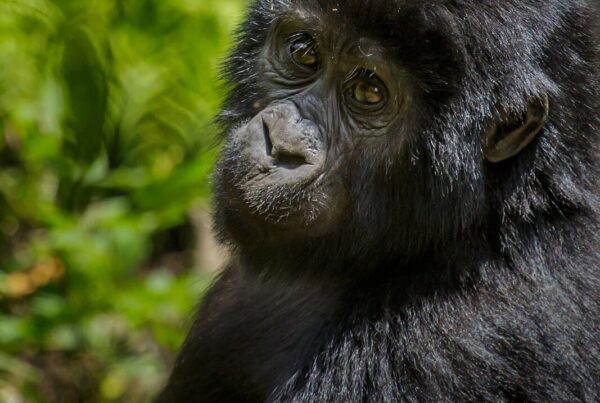
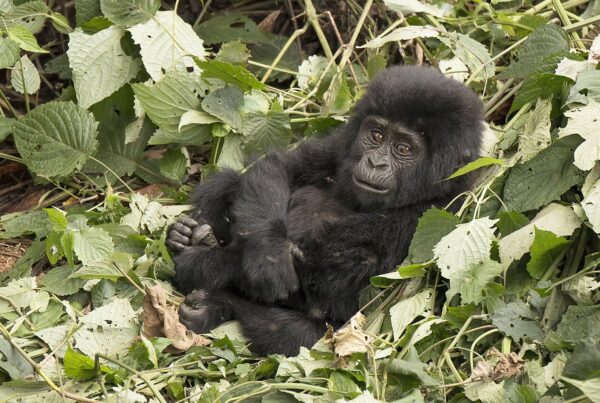
The most consistent positive surprise: how close the gorillas actually are. Travellers arrive expecting a distant glimpse. They experience gorillas within arm’s reach — not because anyone got too close, but because habituated gorillas do not maintain the 7-metre minimum; they come to you. The proximity is something that photographs do not capture and descriptions do not prepare you for.
What We Have Learned About Accommodation
Mid-range accommodation near Bwindi — properly selected — is more than adequate. You do not need to spend $500 a night to sleep well, eat well, and arrive rested for your trek. What matters: reliable power (for phone and camera charging the night before the trek), hot water, a comfortable bed, and good food. Most mid-range lodges ($120-$250 per night) deliver all of these. What matters less: pool, spa, fancy decor. You are in a forest at altitude — the lodge’s relationship with the surrounding environment is more important than its interior design.
The most common accommodation mistake: booking the cheapest option and arriving at a property that does not match its description. Use an operator who has personally stayed at or inspected the properties they recommend, not one who books from a database. We inspect our accommodation partners regularly and do not recommend properties we have not verified.
What We Have Learned About Timing
The dry season (June-September, December-February) is better for trail conditions and photography but significantly more crowded and expensive. The wet season (March-May, October-November) has rain but also greener forest, lower prices, fewer tourists, and the same gorilla encounter. Some of our most enthusiastic client feedback comes from low-season trips. Do not rule out the wet season because of rain — it is lighter and more intermittent than the word “wet season” implies for most Bwindi locations.
What We Have Learned About Operators
The quality difference between operators is real and significant. It shows up in permit procurement reliability, guide quality, vehicle condition, problem-solving capability when things go wrong (and sometimes they do — a road closure, a permit reassignment, an unexpected schedule change), and the experience of the trip overall. The cheapest option is rarely the best value. An operator who saves you $200 by cutting costs on accommodation, guide quality, and vehicle maintenance is not saving you money — they are transferring those savings into risk that you bear.
We are a licensed Uganda Tourism Board operator with verified reviews and a 10+ year track record. We handle permit procurement, accommodation, transport, guide assignment, and 24-hour in-country support for every client. Our permit failure rate (permits not delivered as booked) is zero over the history of our operation. We have contingency protocols for every common disruption scenario. We answer enquiries within 24 hours and are reachable throughout your trip.
Why 2027 Is a Good Year to Go
The mountain gorilla population has grown consistently since the conservation interventions of the 1990s. As of 2027, there are over 1,060 mountain gorillas across Uganda, Rwanda, and DRC. The habituated population in Uganda continues to grow as new families complete the habituation process. Uganda’s tourism infrastructure — accommodation, transport, guide training — has matured significantly in the past decade. 2027 is the best year yet for gorilla trekking in Uganda, not because the gorillas have changed but because everything around the experience has improved.
Contact us. Tell us your preferred 2027 dates, your group size, and your budget. We will tell you what is available, what we recommend, and how to make your gorilla trek the experience that 8,000 travellers before you have told us it was for them.