Updated
gorilla trekking Uganda afraid of animals is one of Africa’s most extraordinary wildlife experiences, connecting travellers with mountain gorillas in their natural forest habitat. Fear of wild animals is a rational response to a real unfamiliarity. If you have never been close to a large wild animal, the idea of standing 7 metres from a 200kg silverback gorilla is legitimately alarming. This guide addresses that fear directly and honestly. It explains what the gorilla encounter actually involves, what the safety record actually is, and what the specific experience is like for people who arrive anxious and leave transformed. Gorilla trekking in Uganda in 2027 is one of the safest wildlife encounters in the world — and understanding why may be the thing that lets you book it.
Gorilla Trekking Uganda: The Guide for People Afraid of Wild Animals
The Safety Record: What the Numbers Say
Mountain gorilla trekking has been operating commercially in Uganda since the early 1990s. In that time, tens of thousands of international visitors have completed gorilla treks at Bwindi and Mgahinga. Serious injuries to tourists from gorilla encounters are extraordinarily rare — so rare that individual incidents are discussed as exceptional events in conservation and tourism literature. Fatalities from gorilla encounters are essentially unrecorded in the commercial trekking context. The safety record of habituated mountain gorilla trekking is better than many adventure activities marketed as safe: white-water rafting, mountain hiking, even cycling in cities.
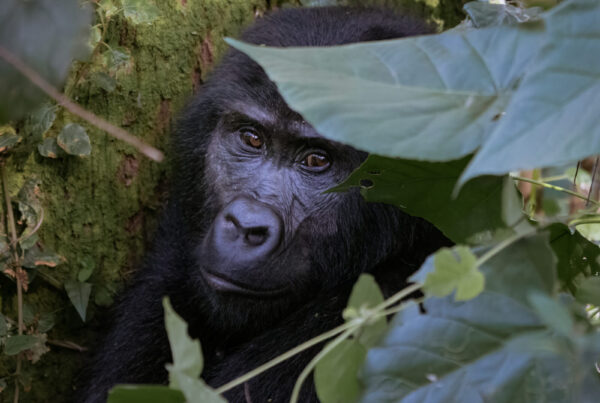
Why is it this safe? Because habituation works. Gorillas that have been habituated to human presence over two or more years do not perceive humans as threats. They tolerate close proximity, continue their normal behaviour (feeding, playing, resting), and rarely display the aggressive behaviour that makes encounters with unhabituated gorillas genuinely dangerous. You are not encountering a wild gorilla in an unpredictable state — you are visiting a family that has had human observers in its vicinity every day for years.
What Actually Happens During the Encounter
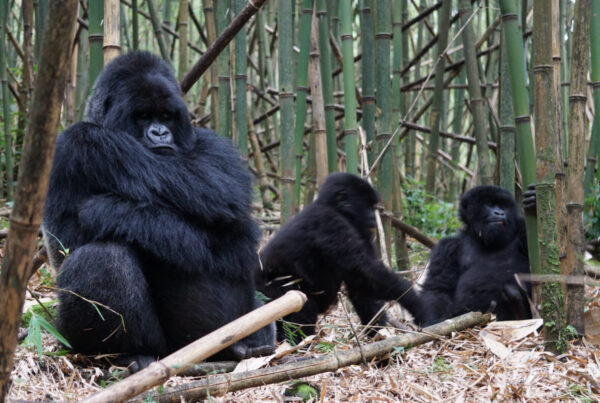
You arrive at the gorilla family with your guide and a UWA ranger escort. You keep a minimum distance of 7 metres. You move quietly, crouch when instructed, avoid direct eye contact with the silverback, and follow your guide’s instructions at all times. The gorillas, in most cases, pay you relatively little attention — they are feeding, moving, playing, or resting, and you are a familiar, non-threatening presence in their environment.
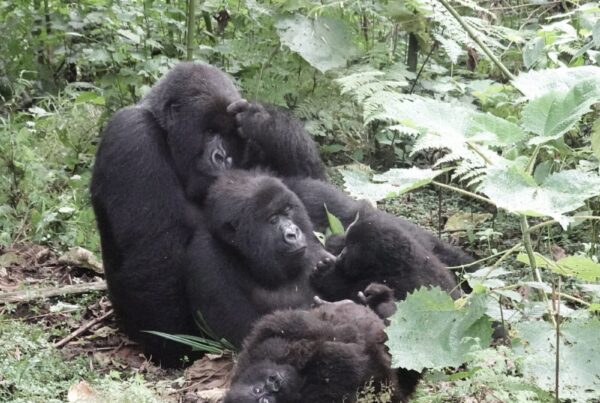
Occasionally a gorilla — usually a juvenile — will approach your group more closely than the 7-metre rule. When this happens, your guide will instruct you to move back and will manage the situation. Juvenile curiosity approaches are common and are not threatening — they are the result of the gorillas’ familiarity and comfort with human presence, not aggression. The silverback may perform a display — chest beating, short charge, vocalisation — if he perceives a threat to his group. If this happens, your guide will instruct you: do not run, crouch down, avoid eye contact, remain calm. Guides are trained specifically for this scenario and manage it routinely without injury to anyone.
The Difference Between Instinctive Fear and Actual Risk
Human beings are wired to feel fear in the presence of large animals. This instinct evolved in an environment where large animals were genuinely dangerous to unarmed humans. It does not distinguish between a habituated family gorilla in a managed national park and a wild predator. You may feel afraid even when you are objectively safe. This is normal and does not mean the situation is dangerous.
The distinction that matters: instinctive fear is a feeling; actual risk is an objective probability. The objective probability of injury during a mountain gorilla trek at Bwindi is very low. Many people who arrive at the briefing point with significant anxiety report that the anxiety dissolves within minutes of being with the gorilla family. The encounter is so gentle, so quiet, and so clearly peaceful that the fear response is overridden by observation. People who were most afraid before the trek often describe the most profound sense of relief and wonder during it.
What to Tell Your Guide About Your Fear
Tell your guide before the trek begins that you are nervous about wild animal proximity. This is not unusual information and your guide will not be surprised. An experienced guide will position you within the group in a way that gives you a clear retreat path, will give you specific guidance on what to do and not do as you approach the family, and will keep an eye on your body language during the encounter to give you additional reassurance as needed. Your guide has managed anxious first-timers many times. Your disclosure helps them help you.
The pre-trek briefing (conducted at the briefing point before you enter the forest) specifically covers gorilla behaviour and what to do in various scenarios. Pay close attention to this briefing. Understanding why the gorillas behave as they do and what the correct responses to different situations are will reduce your anxiety more effectively than any reassurance — it converts fear of the unknown into preparedness.
Choosing the Right Sector for Anxious Trekkers
For people with significant animal anxiety, Buhoma sector at Bwindi is the most recommended choice. It has the most experienced guides with the highest volume of international visitor experience, the most consistent gorilla family behaviour records, and the most accessible trails. The Mubare group at Buhoma was one of the first habituated groups in Uganda and has a long, consistent history of calm, tourist-tolerant behaviour. Ask your operator specifically about the most consistently calm and predictable gorilla families at your chosen sector when booking.
The Transformation That Happens
A significant proportion of people who arrive at gorilla trekking with animal fear leave with the opposite: a deep affinity for the animals they were afraid of. The gorilla encounter has a specific quality — the peacefulness of the family, the curiosity of juveniles, the dignity of the silverback, the evident intelligence in every movement — that does not trigger fear in the way people expect it to. It triggers recognition. A recognition that these are not threatening creatures but family-oriented, gentle, deeply social animals whose lives bear a striking resemblance to the human families watching them.
Many of the most dedicated gorilla conservation advocates and repeat gorilla trekking visitors started their first trek afraid. The fear was the thing that made the encounter more significant — it was something they overcame, together with the gorillas, in a shared hour in ancient forest. If you are afraid of wild animals and you go anyway, the gorilla trek will be more meaningful for you, not less.
The Permit and Booking
The gorilla trekking permit is $800 USD per person for foreign non-residents. Book through a licensed Uganda Tourism Board operator who will assign you to an experienced guide. When you enquire, tell us that animal proximity is a concern — we will recommend the right sector, the right family, and the right guide for your specific situation. We have managed many anxious first-timers through Bwindi and know exactly what preparation and in-field support makes the difference between a frightening experience and a transformative one.