Updated
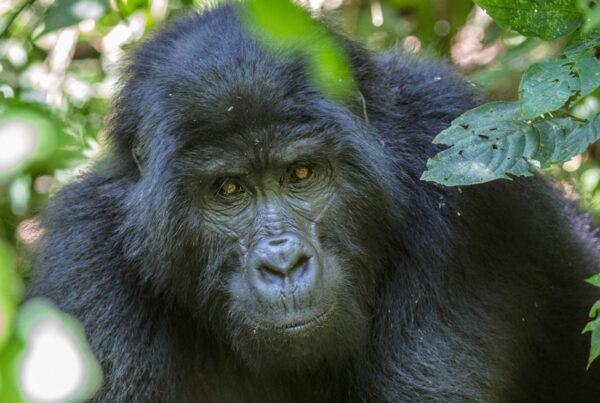
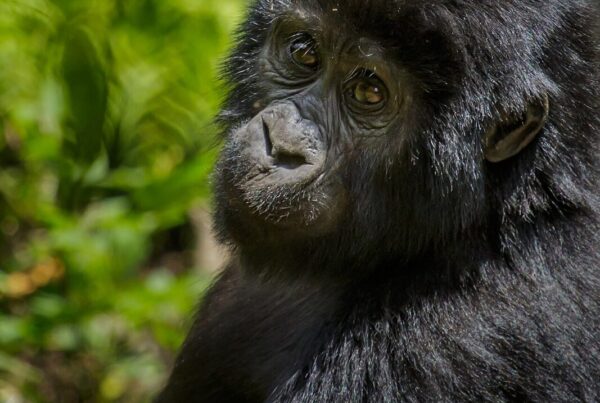
gorilla trekking Uganda yoga retreat wellness group is one of Africa’s most extraordinary wildlife experiences, connecting travellers with mountain gorillas in their natural forest habitat. The combination of gorilla trekking in Uganda and a yoga retreat is less incongruous than it initially sounds. Both are, at their core, about the cultivation of presence — the specific quality of attention that removes the noise of ordinary life and allows genuine engagement with what is actually happening. The forest demands this quality instinctively; yoga develops it deliberately. Groups that combine a wellness retreat in Uganda with a gorilla trek at Bwindi are discovering that the two experiences reinforce each other in ways that purely wellness-focused retreats and purely adventure-focused trips do not.
Gorilla Trekking Uganda for Yoga Retreat Groups: Wildlife and Wellness Combined
The Uganda Retreat Landscape
Uganda’s altitude zones and forest edges have produced a small but well-established retreat industry. Lodges near Bwindi and in the Rwenzori foothills offer yoga and meditation programmes that take advantage of the specific quality of highland forest environments — the air, the quiet, the removal from ordinary life that mountain landscapes produce. Several operators combine multi-day retreat programmes with gorilla trekking as the experiential centrepiece of a week-long wellness and wildlife itinerary.
The gorilla permit is $800 per person. For a yoga retreat group, the permit represents a single day’s investment within a week-long programme that is amortised across the full retreat cost. Group bookings of six to eight participants fill one gorilla trekking permit allocation; larger retreat groups require multiple family permits on the same day, which operators with established UWA relationships can facilitate.
Why the Combination Works
Yoga retreats work by establishing a sustained practice of presence over several days — the morning practice, the meals, the reduced stimulation — that builds a foundation of quiet attention that deepens over the course of the retreat. The gorilla trek, inserted into the middle of this sustained practice, becomes something qualitatively different from a standard gorilla trek: the attention capacity that the retreat has been developing is brought to the encounter in its fullest form. Retreat participants who have trekked on day three or four of a five-day programme consistently describe the encounter as more profound than the standard account of gorilla trekking suggests — deeper, slower, more fully felt.
The forest reciprocates. The attentional demands of the trek — the sustained present-moment awareness that walking in an ancient forest produces — reinforce the retreat’s core practice in the most direct way available: not through instruction but through demand. The forest teaches presence because it requires it.
Planning the Combined Experience
A combined wellness and gorilla trekking Uganda retreat typically runs five to seven days: two to three days of retreat practice before the trek (to build the attentional foundation), the trek day, and one to two days of integration practice after the trek. The post-trek practice is where the gorilla encounter’s impact is consolidated and made available to the retreat participants as a permanent reference point for the quality of presence the retreat has been developing. Contact us to plan your 2027 wellness and gorilla trekking Uganda retreat. The permit is $800. The forest and the practice are teaching the same thing from different directions.
Frequently Asked Questions
Minimum: 3 days (arrive, travel to Bwindi, trek, return — very rushed). Recommended: 5–7 days to include proper travel time and a buffer day. If combining with Kibale chimps or a game park, allow 8–12 days. The 8-hour road journey from Kampala to Bwindi means a 3-day trip involves almost no rest.
A popular 7-day itinerary: Day 1 — Arrive Entebbe, transfer to Kampala or Entebbe hotel. Day 2 — Fly or drive to Bwindi. Days 3–4 — Gorilla trekking (one or two treks), forest walks. Day 5 — Return to Entebbe via Kampala or direct charter. Days 6–7 — Optional Entebbe or Kampala city time before departure.
Yes, but they are in different countries. A combined itinerary typically routes Entebbe (Uganda gorillas) → Nairobi or Kilimanjaro (Tanzania/Kenya safari) with a connecting flight between legs. Allow 10–14 days total. Alternatively, Uganda’s own Queen Elizabeth National Park offers excellent big game alongside the gorilla experience without the international connection.
Near Bwindi: Batwa Cultural Experience (indigenous forest walk with the Batwa community), guided birding walks (350+ species), forest nature walks, waterfall hikes, community village visits. Within 2–3 hours of Bwindi: Lake Bunyonyi (canoeing, island walks), Mgahinga (golden monkey trekking, Virunga volcano hiking).
Uganda is home to the mountain gorilla (Gorilla beringei beringei), one of two subspecies of eastern gorilla. They live exclusively in the Virunga volcanic highlands (Uganda/Rwanda/DRC) and Bwindi Impenetrable Forest (Uganda only). Mountain gorillas are the only gorilla subspecies that cannot survive in captivity — every individual you can trek is a wild animal.