Updated
Food tourism and wildlife tourism are not categories that usually intersect — the infrastructure for each is built around different priorities, different timings, and different expectations of what a trip should deliver. Uganda is unusual in that both categories have genuine content: the country’s food culture, built on a foundation of fresh produce from highly fertile soil and a tradition of cooking that has developed distinct regional characteristics, is substantially underexplored in international food tourism, and combining it with gorilla trekking produces an itinerary that satisfies both appetites with unusual completeness. This guide addresses gorilla trekking Uganda for food lovers.
Ugandan Food Culture
Uganda’s national dish is matoke — steamed green bananas, served with a groundnut stew, roasted meat, or smoked fish. This description undersells it. Matoke cooked well, with the specific quality of groundnut sauce that Ugandan cooks produce from freshly ground nuts and slow-cooked aromatics, is a dish of considerable subtlety. The banana varieties used in Ugandan cooking — different cultivars for different dishes, each with its own texture and flavour profile — are themselves an education in botanical diversity that food-focused travellers rarely encounter. The rolex — a chapati rolled around a fried egg and vegetables — is Kampala street food of the highest order and should be eaten at multiple vendors for comparison purposes.
The lodges at Bwindi have developed their menus around the produce available from the surrounding community farms — much of it organic by necessity rather than certification. The tilapia from Lake Mutanda, the vegetables from the highland farms at altitude, the passion fruit and pineapples grown in the buffer zone communities — these are ingredients of exceptional quality prepared simply and served with the specific warmth of Ugandan hospitality.
The Market Visit
The markets in the towns adjacent to Bwindi — Kabale, Kisoro, Buhoma trading centre — are among the most productive food tourism stops on any Uganda itinerary. The variety of produce, the banana cultivar selection, the dried beans and pulses, the specific local spices — these are the raw materials of Ugandan cooking and seeing them in quantity, understanding their origin and use, is the foundation of understanding the food culture. Several operators organise market visits as part of community walk programmes; ask specifically about market access when booking.
The Post-Trek Meal
The meal after a gorilla trek — eaten at the lodge in the late afternoon, after three to four hours of walking — is, by universal account, among the best meals gorilla trekkers ever eat. The appetite produced by the physical effort, combined with the emotional residue of the encounter, gives the meal a quality that the food itself does not need to work hard to earn. It will work hard anyway. The gorilla permit is $800. The post-trek meal is included. Contact us to plan your 2027 gorilla trekking Uganda food lover’s trip.
Frequently Asked Questions
Minimum: 3 days (arrive, travel to Bwindi, trek, return — very rushed). Recommended: 5–7 days to include proper travel time and a buffer day. If combining with Kibale chimps or a game park, allow 8–12 days. The 8-hour road journey from Kampala to Bwindi means a 3-day trip involves almost no rest.
A popular 7-day itinerary: Day 1 — Arrive Entebbe, transfer to Kampala or Entebbe hotel. Day 2 — Fly or drive to Bwindi. Days 3–4 — Gorilla trekking (one or two treks), forest walks. Day 5 — Return to Entebbe via Kampala or direct charter. Days 6–7 — Optional Entebbe or Kampala city time before departure.
Yes, but they are in different countries. A combined itinerary typically routes Entebbe (Uganda gorillas) → Nairobi or Kilimanjaro (Tanzania/Kenya safari) with a connecting flight between legs. Allow 10–14 days total. Alternatively, Uganda’s own Queen Elizabeth National Park offers excellent big game alongside the gorilla experience without the international connection.
Near Bwindi: Batwa Cultural Experience (indigenous forest walk with the Batwa community), guided birding walks (350+ species), forest nature walks, waterfall hikes, community village visits. Within 2–3 hours of Bwindi: Lake Bunyonyi (canoeing, island walks), Mgahinga (golden monkey trekking, Virunga volcano hiking).
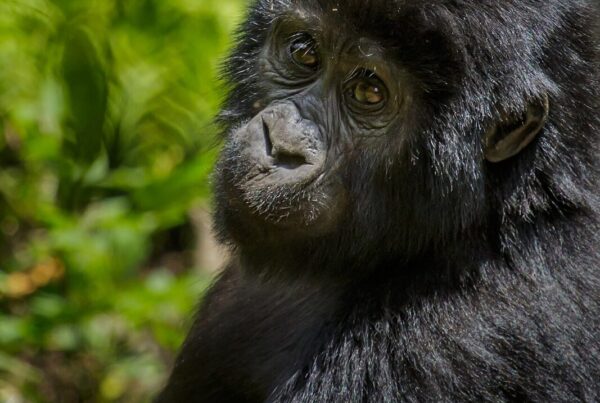
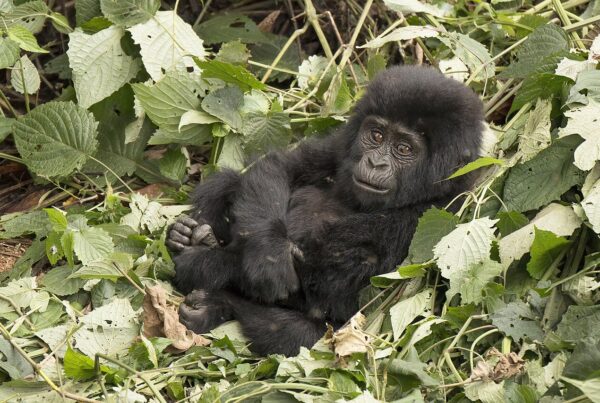
Uganda is home to the mountain gorilla (Gorilla beringei beringei), one of two subspecies of eastern gorilla. They live exclusively in the Virunga volcanic highlands (Uganda/Rwanda/DRC) and Bwindi Impenetrable Forest (Uganda only). Mountain gorillas are the only gorilla subspecies that cannot survive in captivity — every individual you can trek is a wild animal.