Updated
Cycling tourism in Uganda has developed significantly in the last decade, with dedicated cycling routes through the country’s highlands, community-based cycling tourism initiatives, and the recognition that Uganda’s road infrastructure and terrain make it one of the most rewarding cycling destinations in East Africa. Combining a bike safari through Uganda’s highlands with a gorilla trek at Bwindi is a specific itinerary that satisfies both the cycling and wildlife dimensions of an East Africa trip with unusual completeness. This guide addresses gorilla trekking Uganda for cyclists.
The Uganda Cycling Landscape
Uganda’s terrain — rolling highland plateaus intersected by valleys and escarpments, with the Rift Valley visible from the highland roads — is cycling country. The roads through southwestern Uganda, from Kampala toward Kabale and the Bwindi area, traverse some of the most visually spectacular cycling terrain in the continent. The altitude — most of the route is at 1,200 to 2,000 metres — produces the specific quality of highland air and temperature that makes extended cycling comfortable in ways that lower-altitude tropical cycling is not.
The gorilla permit is $800. A combined cycling and gorilla trekking Uganda itinerary typically runs ten to fourteen days: cycling from Kampala through the highlands to the Bwindi area (three to four days of cycling), one to two gorilla treks, and return by road vehicle. The physical fitness that cycling builds is an excellent preparation for the gorilla trek; cyclists typically find the Buhoma and Rushaga treks manageable to challenging rather than severe.
Logistics for Cyclists
Bicycle transport within Uganda requires planning: quality road bikes or mountain bikes can be hired in Kampala from specialist operators, or brought from home with airline approval. The roads from Kabale to the Bwindi area are passable on road bikes in the dry season and more challenging on unsealed sections in wet season; mountain bikes are the safer year-round choice for the final approach to the lodges. Cycling gear should be left at the lodge on trek day and comfortable walking boots worn for the forest terrain.
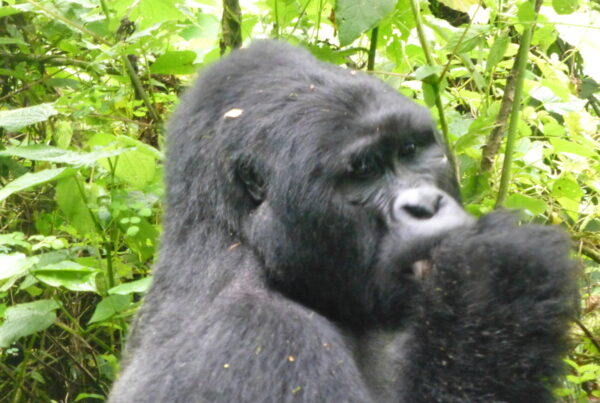
Operators experienced in active tourism itineraries can combine cycling and gorilla trekking permit booking into a single package, handling the logistics of both the cycling route support and the trek arrangements. This is the recommended approach for international cyclists unfamiliar with Ugandan road conditions. Contact us to plan your 2027 cycling and gorilla trekking Uganda trip. The permit is $800. The silverback does not care how many kilometres you rode to reach him.
Frequently Asked Questions
Minimum: 3 days (arrive, travel to Bwindi, trek, return — very rushed). Recommended: 5–7 days to include proper travel time and a buffer day. If combining with Kibale chimps or a game park, allow 8–12 days. The 8-hour road journey from Kampala to Bwindi means a 3-day trip involves almost no rest.
A popular 7-day itinerary: Day 1 — Arrive Entebbe, transfer to Kampala or Entebbe hotel. Day 2 — Fly or drive to Bwindi. Days 3–4 — Gorilla trekking (one or two treks), forest walks. Day 5 — Return to Entebbe via Kampala or direct charter. Days 6–7 — Optional Entebbe or Kampala city time before departure.
Yes, but they are in different countries. A combined itinerary typically routes Entebbe (Uganda gorillas) → Nairobi or Kilimanjaro (Tanzania/Kenya safari) with a connecting flight between legs. Allow 10–14 days total. Alternatively, Uganda’s own Queen Elizabeth National Park offers excellent big game alongside the gorilla experience without the international connection.
Near Bwindi: Batwa Cultural Experience (indigenous forest walk with the Batwa community), guided birding walks (350+ species), forest nature walks, waterfall hikes, community village visits. Within 2–3 hours of Bwindi: Lake Bunyonyi (canoeing, island walks), Mgahinga (golden monkey trekking, Virunga volcano hiking).
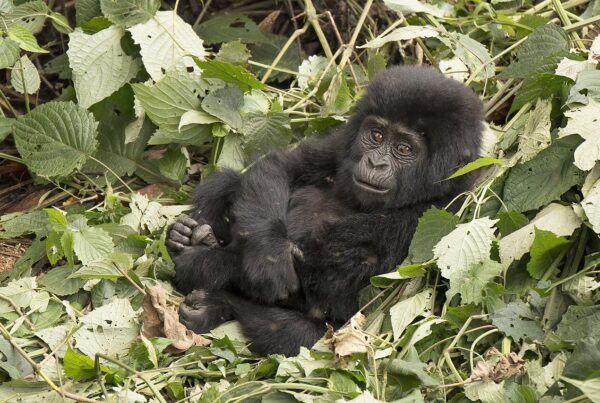
Uganda is home to the mountain gorilla (Gorilla beringei beringei), one of two subspecies of eastern gorilla. They live exclusively in the Virunga volcanic highlands (Uganda/Rwanda/DRC) and Bwindi Impenetrable Forest (Uganda only). Mountain gorillas are the only gorilla subspecies that cannot survive in captivity — every individual you can trek is a wild animal.