Updated
A double gorilla trek — two consecutive days, two gorilla permits, two different gorilla families — is the ultimate Bwindi Impenetrable Forest experience. For travellers who want more than one hour of gorilla immersion, the double trek turns a single exceptional encounter into a comparative study of mountain gorilla family life. Here is everything you need to know.
What a Double Trek Involves
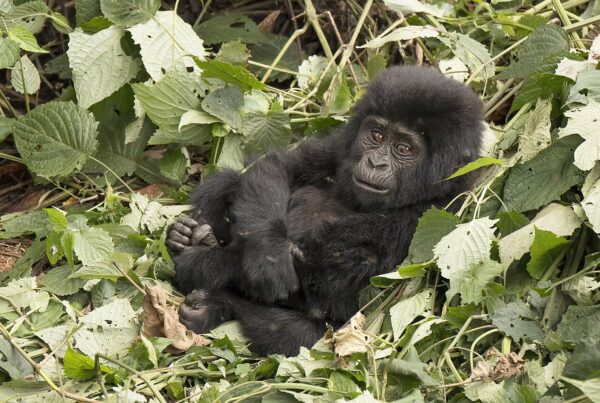
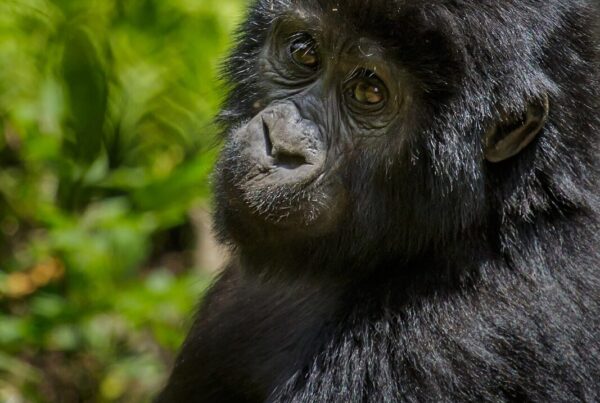
A double gorilla trek means holding two gorilla trekking permits for consecutive days at Bwindi, typically in the same sector but with different family assignments. Day 1 you trek with one habituated family — experiencing their specific group dynamics, silverback character, and family composition. Day 2 you trek with a different family — and the comparison is immediately apparent. Different families have different personalities, different ranges, different group dynamics. The dominant silverback of Family A may be calm and authoritative; Family B’s silverback may be more active, more frequently displaying, more engaged with the human observers. Infants in one family may be newly born; in the other, the young juveniles may be six to eight months older and far more adventurous. Two different days produce two entirely different stories.
The Best Sectors for Double Treks
Rushaga sector is the best option for double trekking because it has six habituated families — more than any other sector. The probability of being assigned to two genuinely different families on consecutive days is highest in Rushaga. Buhoma has three families — manageable for a double trek but with less variety. Ruhija’s two families mean a consecutive double trek here involves both available families, which is possible and offers a useful comparison. Nkuringo’s two families are both challenging terrain — consecutive days of Nkuringo-level trekking requires good fitness. For the richest double trek experience, Rushaga is our recommendation.
Adding the GHE to the Double Trek
The most immersive possible Bwindi experience combines a standard gorilla trek (Day 1, 800 USD) with the Gorilla Habituation Experience (Day 2, 1,800 USD, also in Rushaga). Day 1 gives you the refined, compact one-hour encounter with a fully habituated family. Day 2’s GHE gives you four hours with a semi-habituated family in the habituation process. The contrast between the two experiences — the polished calm of a fully habituated family versus the rawer, more dynamic encounter with a family still learning humans — is extraordinary. This combination is our highest recommendation for serious gorilla enthusiasts visiting Bwindi for the first time.
Physical Demands of a Double Trek
Two consecutive days of gorilla trekking is physically demanding. Day 1 legs are fresh; Day 2 legs are tired. A porter on both days is strongly recommended for a double trek — even for fit travellers, the accumulated fatigue of two days of forest terrain benefits from assistance. Plan restful evenings after each trek day: good food, early sleep, rehydration. Some travellers find the second trek day actually produces a richer emotional response — the initial intensity and novelty of Day 1 gives way to a more settled, observational presence on Day 2, and many describe their best gorilla photographs and deepest encounters coming on the second day when they were less overwhelmed and more present.
Double Trek Package Costs 2027
Standard double trek (two standard permits): 1,600 USD per person for permits. Two nights accommodation near Bwindi: 150 to 300 USD. Porter both days: 40 USD. Package total per person (permits, accommodation, transport): approximately 2,200 to 2,500 USD, excluding international flights and with charter flight adding approximately 800 USD. Standard plus GHE combination: 2,300 USD per person for permits (800 + 1,500). Total package: approximately 3,000 to 3,300 USD per person. Contact us to book a 2027 double trek package with the best available family assignment across both days.
The double trek permit — two consecutive days of gorilla trekking with different habituated families — is the format preferred by dedicated wildlife enthusiasts who have either trekked gorillas before or want to maximise the encounter time available within a single Bwindi visit. Different habituated families have meaningfully different social structures, age distributions, and ranging behaviours, and the contrast between a large multi-generational group and a smaller, more recently habituated family provides insights into gorilla social organisation that a single encounter cannot produce. The permit cost for two days is double the single-day price, but the experience value — in the judgement of most visitors who complete a double trek — justifies the investment entirely.
The double trek permit is available for both consecutive same-sector days and for different sectors on consecutive days, with the latter option providing a comparison between different forest environments and trekking terrain as well as different gorilla social groups.