Updated
Back-to-back gorilla trekking permits — two consecutive days, two different gorilla families, two complete one-hour encounters — is the deepest immersion in mountain gorilla life available to a tourist visitor. Here is why back-to-back permits are worth considering and how to arrange them for 2027.
The Case for Two Consecutive Trek Days
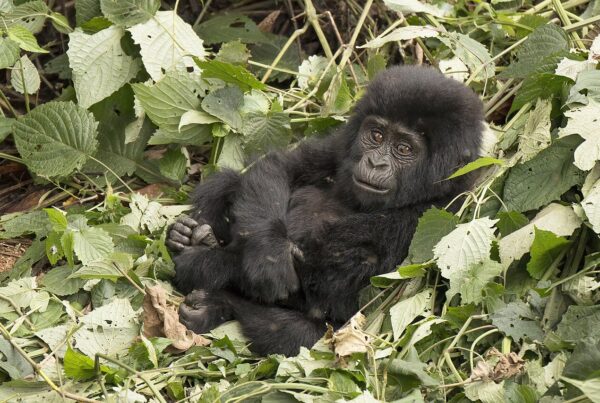
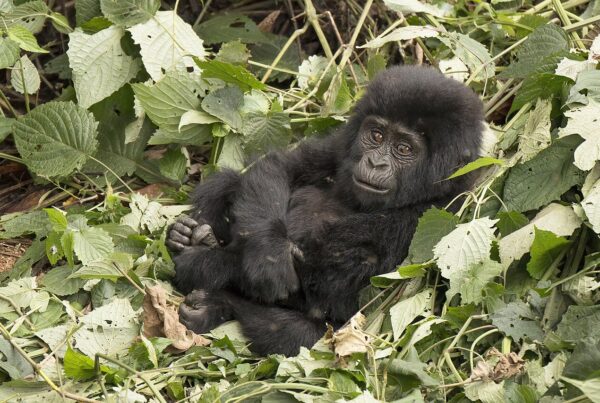
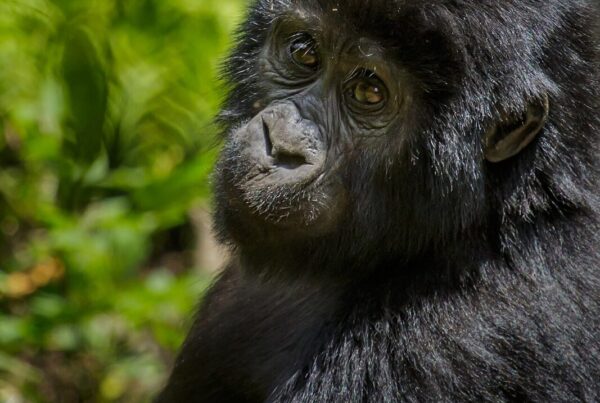
A single gorilla trek gives you one hour with one gorilla family. It is extraordinary. But it is also a snapshot — one particular moment in the ongoing life of one specific family. Back-to-back permits expand that snapshot into something richer: two different families with different silverbacks, different social hierarchies, different infant ages, and different territorial ranges. The comparison illuminates gorilla individuality in a way that a single encounter cannot. The Nshongi family (Rushaga’s largest, approximately 25 individuals) is a completely different experience from the Mubare family (Buhoma’s oldest habituated group, approximately 12 individuals). Two days allows comparison, reflection, and the kind of deepening understanding that only repetition with variation produces.
How Back-to-Back Permits Work Logistically
Two consecutive gorilla permits at Bwindi are straightforward to arrange: two permit applications for two consecutive dates, ideally in the same sector (to avoid additional transport between sectors), with different gorilla family assignments. We request different families from UWA for the two days — the day 1 and day 2 assignments should be for distinct families to maximise the comparative value of the experience. In Rushaga, with six families, this is easily arranged. In Buhoma, with three families, it is manageable. We confirm both permit dates and both family assignments before the final booking payment is made.
Physical Preparation for Two Consecutive Days
Two consecutive days of gorilla trekking is more demanding than a single day. Day 2 legs are tired from Day 1, the forest floor is the same challenging terrain, and the morning briefing time is the same 8:00 AM regardless of how much your legs ache. Porter hire on both days is strongly recommended — the double-day porter is not an indulgence but a practical measure that makes Day 2 achievable on tired muscles. Rehydration, a good meal, and early sleep after Day 1 are the recovery tools. Most physically prepared travellers complete both days without serious difficulty; those who arrived unconditioned or underprepared find Day 2 harder. We advise clients on conditioning walks in the weeks before departure specifically for back-to-back permit bookings.
Back-to-Back Permit Costs and Package
Two standard gorilla permits: 1,600 USD per person. Two nights accommodation near Bwindi (required for two consecutive trek days): 150 to 300 USD depending on lodge. Porter hire both days: 40 USD. Total permit and direct cost per person: approximately 1,790 to 1,940 USD. Add charter flights and driver for a complete back-to-back package: approximately 2,600 to 3,000 USD per person. The back-to-back permit experience costs exactly double the single permit cost — the value proposition is simply whether two mountain gorilla encounters, comparing two families in two different morning stories, is worth twice the price of one. For most travellers who do it, the answer is emphatic: yes. Contact us to book 2027 back-to-back gorilla permits with optimised family assignments.
The Back-to-Back Permit Experience
Securing back-to-back gorilla trekking permits — one per day for two consecutive days — within the same Bwindi sector or across adjacent sectors requires early booking and flexibility about which families are assigned. The UWA permit system assigns each permit holder to a specific family on a specific date, and two consecutive days at the same sector does not guarantee assignment to the same family on both days — the assignment depends on which families have availability remaining and how UWA manages the permit distribution across families. This variability is a feature rather than a limitation: being assigned to different families on consecutive days provides a genuine comparison of two separate gorilla social groups, and the difference between family A’s encounter on day one and family B’s encounter on day two is often as revealing about gorilla social diversity as a deliberate research visit.
The double permit format’s value for repeat visitors is specific: the first encounter resolves the questions that naivety generates (the orientation, the physical surprise, the emotional processing of the proximity), and the second encounter can be fully directed at the observation and understanding that the first encounter’s novelty occasionally displaced. Visitors who have done a single gorilla trek and describe it as ‘not enough time’ are typically those for whom the first encounter’s disorientation consumed a significant portion of the one-hour window — the second encounter, with its elimination of the novelty factor, produces a qualitatively different quality of attention throughout the full hour.