Updated
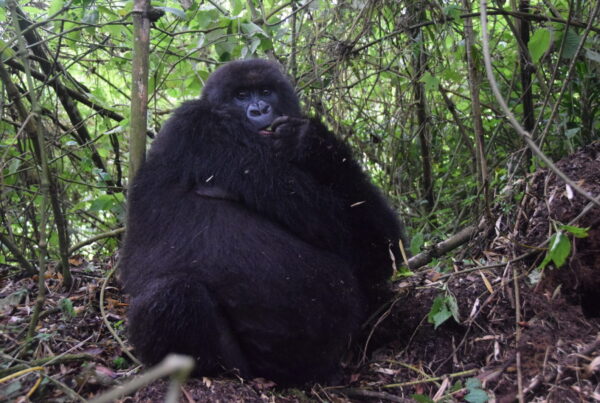
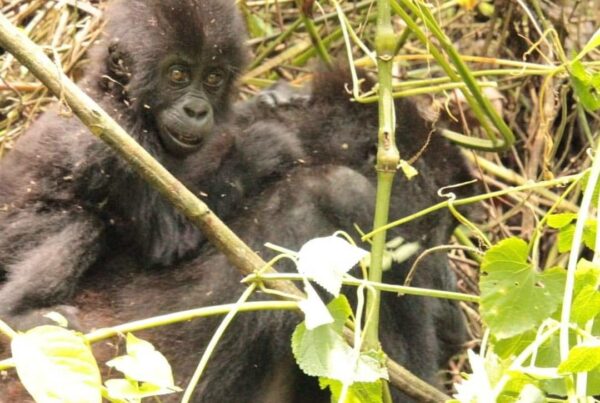
gorilla trekking Uganda team building corporate HR is one of Africa’s most extraordinary wildlife experiences, connecting travellers with mountain gorillas in their natural forest habitat. Gorilla trekking in Uganda as a corporate team building experience is not the first suggestion that appears in most HR resources — and that is precisely why it works. The standard team building canon — the escape rooms, the cooking classes, the axe throwing — has been so thoroughly domesticated by corporate use that it no longer produces the genuine novelty and shared challenge that team building is supposed to generate. Gorilla trekking Uganda offers something different: a physically and emotionally demanding shared experience in an environment that is sufficiently remote from the office that the normal power structures and performance modes of work temporarily dissolve.
Gorilla Trekking Uganda as a Team Building Experience: The HR Guide
What Makes Gorilla Trekking Effective as Team Building
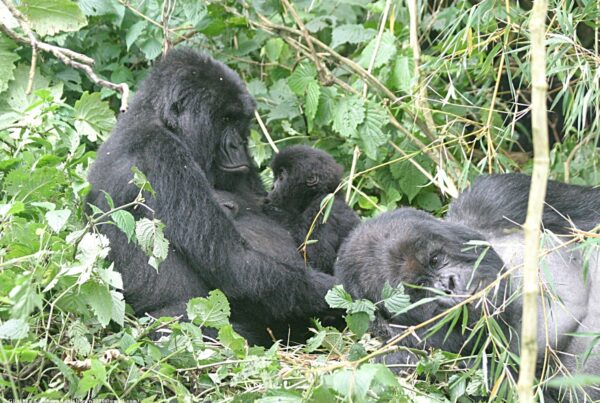
The research on what makes team building experiences effective identifies three key elements: genuine shared challenge (not simulated challenge), novel environment (not a slight variant of the familiar), and an experience of shared vulnerability that equalises status within the group. Gorilla trekking at Bwindi delivers all three. The trek is genuinely demanding — nobody, regardless of seniority, can delegate the walking to someone else. The environment is entirely novel — the forest makes no concessions to professional hierarchy. And the encounter with a wild gorilla family produces the specific kind of shared wonder that temporarily equalises the most status-conscious group.
Teams that have trekked together at Bwindi report a consistent pattern: the trek itself is the easiest conversation they have had in years, because the shared experience provides abundant material and the forest removes the performance pressure that corporate environments generate. The post-trek dinner, when the group has arrived back at the lodge tired and exhilarated and mutually having done something significant together, is described by team leaders as the most genuinely connected version of their team they have encountered.
Logistics for Corporate Groups
Gorilla trekking groups are capped at eight per habituated family per day. For corporate groups larger than eight, multiple permits across multiple families on the same day are the standard arrangement — operators with strong UWA relationships can facilitate this with some lead time. The gorilla permit is $800 USD per person. Corporate group bookings through licensed operators typically include accommodation at lodges that can host working sessions, briefing rooms, and evening meals with the kind of setting that facilitates genuine conversation.
The physical variability within corporate teams — fitness levels, mobility, age range — is best addressed by choosing Buhoma sector and allocating porters to all members regardless of individual fitness. This prevents the experience from becoming defined by physical capability differences within the group and keeps the focus on the shared experience rather than the performance dimension.
The Return on Investment
Corporate team building has a notoriously difficult ROI to measure. The return on a gorilla trekking Uganda trip is similarly hard to quantify — but the qualitative evidence from teams that have done it consistently describes improvements in the specific relationship qualities that determine team performance: trust, candour, the willingness to ask for help, the reduced anxiety about being seen to not know something. These are worth measuring through team health surveys before and after, and the results from teams that have used Bwindi as a team building context have been consistently positive.
Contact us to plan your 2027 corporate gorilla trekking Uganda trip. The permit is $800 per person. The conversation that starts on the walk to the gorilla family does not stop in the lodge that evening.
Frequently Asked Questions
Uganda is home to the mountain gorilla (Gorilla beringei beringei), one of two subspecies of eastern gorilla. They live exclusively in the Virunga volcanic highlands (Uganda/Rwanda/DRC) and Bwindi Impenetrable Forest (Uganda only). Mountain gorillas are the only gorilla subspecies that cannot survive in captivity — every individual you can trek is a wild animal.
The standard gorilla trekking permit gives you exactly 1 hour with the gorilla family. This time begins when you make first contact with the family — the ranger signals the start. The Gorilla Habituation Experience gives 4 hours with a semi-wild family. The walk to find the gorillas can take 30 minutes to 5 hours depending on where the family has moved.
Stay calm, crouch down slowly, avoid direct eye contact, and remain quiet. Do not run — running triggers a chase response. Rangers accompanying your group manage close approaches. Habituated gorillas are accustomed to humans and almost never make contact, but a charging silverback is managed by staying still and following ranger instructions immediately.
A maximum of 8 visitors per habituated gorilla family per day for standard trekking. The Gorilla Habituation Experience has a maximum of 4 visitors per family per day. These limits are set by UWA to minimise stress on the gorilla families and maintain the quality of the experience.
Uganda is home to the mountain gorilla (Gorilla beringei beringei), one of two subspecies of eastern gorilla. They live exclusively in the Virunga volcanic highlands (Uganda/Rwanda/DRC) and Bwindi Impenetrable Forest (Uganda only). Mountain gorillas are the only gorilla subspecies that cannot survive in captivity — every individual you can trek is a wild animal.